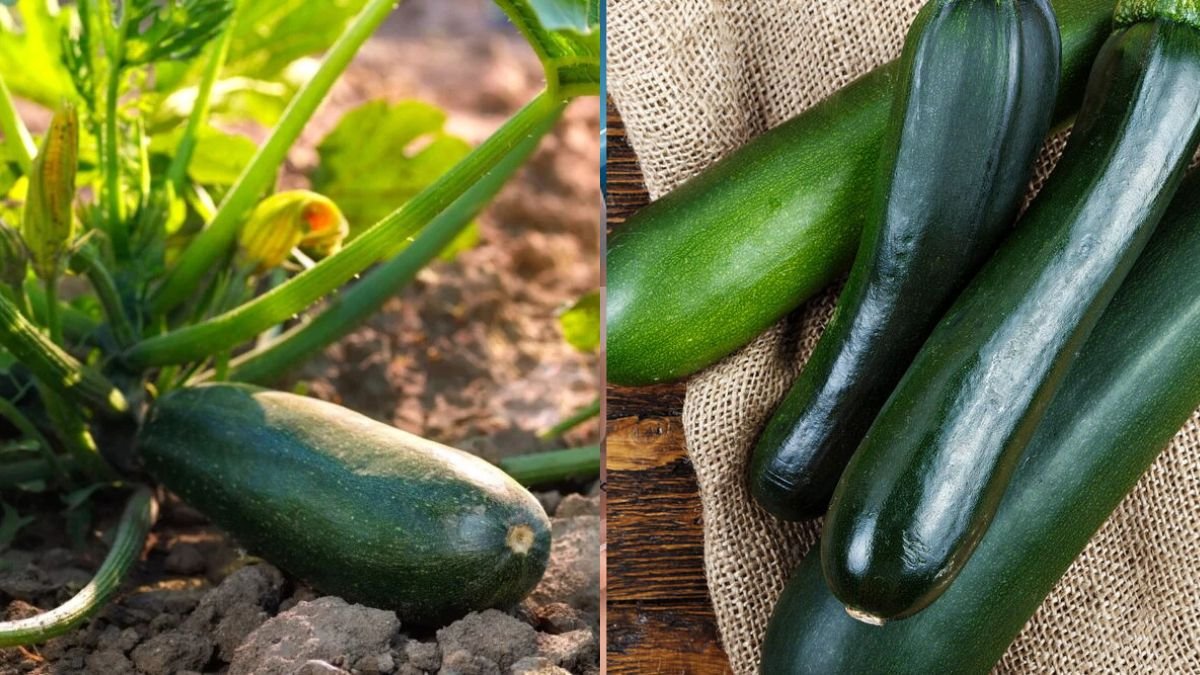
Introduction: Maximize Your Gourd & Zucchini Harvest
Gourds and zucchini are among the most rewarding vegetables for home gardeners. Both belong to the cucurbit family and are capable of producing abundant fruit when grown correctly. However, even experienced gardeners can struggle with low yields if common mistakes are made.
From incorrect spacing and poor soil to inadequate pollination and pest problems, these errors can severely limit productivity. This article will guide you through avoiding the most frequent pitfalls to ensure your garden is full of healthy, fruit-bearing plants. Following these tips will help make [FOCUS KEYWORD] a reality.
Understanding Why Mistakes Affect Yield
Gourds and zucchini are vigorous growers, but they are sensitive to mishandling. Mistakes such as overcrowding, overwatering, or poor pollination can drastically reduce fruit yields or compromise plant health. Zucchini, although hardy, can produce fewer fruits if its environment is not optimal. Gourds often produce sprawling vines that need proper space and support to thrive. Understanding and avoiding these errors is the first step toward a successful harvest.
1. Start With Strong Soil and Proper Site Selection
Soil Preparation
Both gourds and zucchini thrive in rich, well-draining, loose soil. Neglecting soil preparation is a common mistake that limits growth. Poor soil reduces nutrient availability and water absorption, leading to weak plants and fewer fruits.
To prepare soil:

- Mix garden soil with compost or aged manure to improve fertility.
- Add organic matter to enhance soil structure and water retention.
- Ensure the soil is slightly acidic to neutral (pH 6.0–7.0). (thegardenmagazine.com)
Sunlight and Location
Full sun exposure is crucial. Both gourds and zucchini need 6–8 hours of sunlight daily. Shady or crowded areas reduce flower production and fruiting. Adequate spacing and sunlight help prevent diseases and encourage robust growth. (organigardening.com)
2. Provide Enough Space for Growth
Overcrowding is a frequent mistake that limits fruit production. When plants are too close together, they compete for sunlight, water, and nutrients, which reduces yields and increases the risk of disease.
- Zucchini requires at least 2–3 square feet per plant.
- Gourds need larger spaces for sprawling vines or trellises to climb.
- Vertical growth techniques like trellising allow for better airflow and more fruit production. (backyard-eden.com)
Proper spacing ensures each plant gets the light and nutrients it needs to produce abundantly.
3. Support Pollination for Maximum Fruit Set
Pollination is critical for fruit development. Both zucchini and gourds have male and female flowers. Without pollination, flowers will drop, and fruit will fail to form.
Tips for successful pollination:

- Grow pollinator-friendly flowers nearby to attract bees.
- Avoid spraying insecticides when flowers are open.
- In gardens with few pollinators, hand-pollinate by transferring pollen from male to female flowers with a small brush. (thegardenmagazine.com)
By ensuring proper pollination, you can increase fruit numbers and improve overall yield.
4. Master Watering Without Overdoing It
Water management is one of the most common mistakes made by gardeners.
- Underwatering causes flowers and young fruits to drop.
- Overwatering can lead to root rot and fungal diseases.
Watering tips:
- Water deeply but allow the soil to dry slightly between sessions.
- Use drip irrigation or water at the base to avoid wetting leaves.
- Mulch around plants to retain soil moisture. (epicgardening.com)
Consistent watering promotes healthy growth, larger fruits, and a continuous harvest.
5. Avoid Overfertilization and Nutrient Imbalance
Too much nitrogen fertilizer encourages leafy growth at the expense of flowers and fruits. Balanced nutrition is essential for abundant fruiting.

- Use compost at planting time.
- Apply a balanced fertilizer such as 10-10-10 when blooms appear.
- Avoid fresh manure that may contain pathogens. (gardening.alibaba.com)
Proper fertilization ensures plants focus energy on producing fruit rather than just vines.
6. Stay on Top of Pests and Diseases
Ignoring pests and diseases can destroy your crops. Gourds and zucchini are susceptible to squash bugs, aphids, and cucumber beetles, which can also transmit diseases like bacterial wilt.
Pest management strategies:
- Inspect plants regularly for early signs of infestation.
- Remove pests manually or use organic solutions like neem oil.
- Rotate crops annually to reduce soil-borne diseases. (blog.smokecampcrafts.com)
Healthy plants with proper pest management yield more fruit consistently.
7. Train and Prune for Better Production
Uncontrolled growth can reduce fruiting. Overgrown foliage shades flowers, increases disease risk, and lowers fruit yield.

- Prune excess leaves to improve airflow.
- Train gourds on trellises to reduce soil contact and prevent rot.
- Remove old or damaged leaves to allow energy to go to fruit development. (backyard-eden.com)
Pruning and training plants properly can significantly increase both the quantity and quality of fruits.
8. Harvest at the Right Time
Timing of harvest is critical.
- Pick zucchini when they are 6–8 inches long for best flavor and to encourage continued production.
- Harvest gourds when they reach mature size but before the skin hardens completely.
- Frequent harvesting signals plants to produce more flowers and fruits. (thespruce.com)
Regularly picking fruits ensures a steady, abundant yield throughout the season.
9. Rotate Crops and Plan for Long-Term Success
Planting gourds or zucchini in the same soil repeatedly can lead to pest buildup and soil-borne diseases. Rotate crops with unrelated families such as legumes, brassicas, or leafy greens to maintain soil health and reduce disease risk. (thegardenmagazine.com)
Rotation ensures long-term productivity and helps your garden remain healthy season after season.

Authoritative Sources for Expert Guidance
For more detailed insights on successful zucchini and gourd gardening:
- Organic Zucchini Spacing Guide — spacing, soil, and pruning tips (organigardening.com)
- Avoid Common Zucchini Mistakes — watering, light, and variety selection (gardeningchannel.com)
- Gourd Gardening Tips — pest control, trellising, and harvest strategies (blog.smokecampcrafts.com)
These sources provide practical strategies to make [FOCUS KEYWORD] achievable in any garden.
Conclusion
Gourds and zucchini are highly productive crops when grown properly. By avoiding common mistakes — from soil preparation and watering to pollination, pruning, and harvesting — gardeners can enjoy a bountiful harvest season after season.
Implementing these expert strategies ensures healthy, fruit-bearing plants and maximizes yield. Follow the guidance in this article, and turn your garden into a thriving source of fresh, delicious gourds and zucchini, achieving your goal of