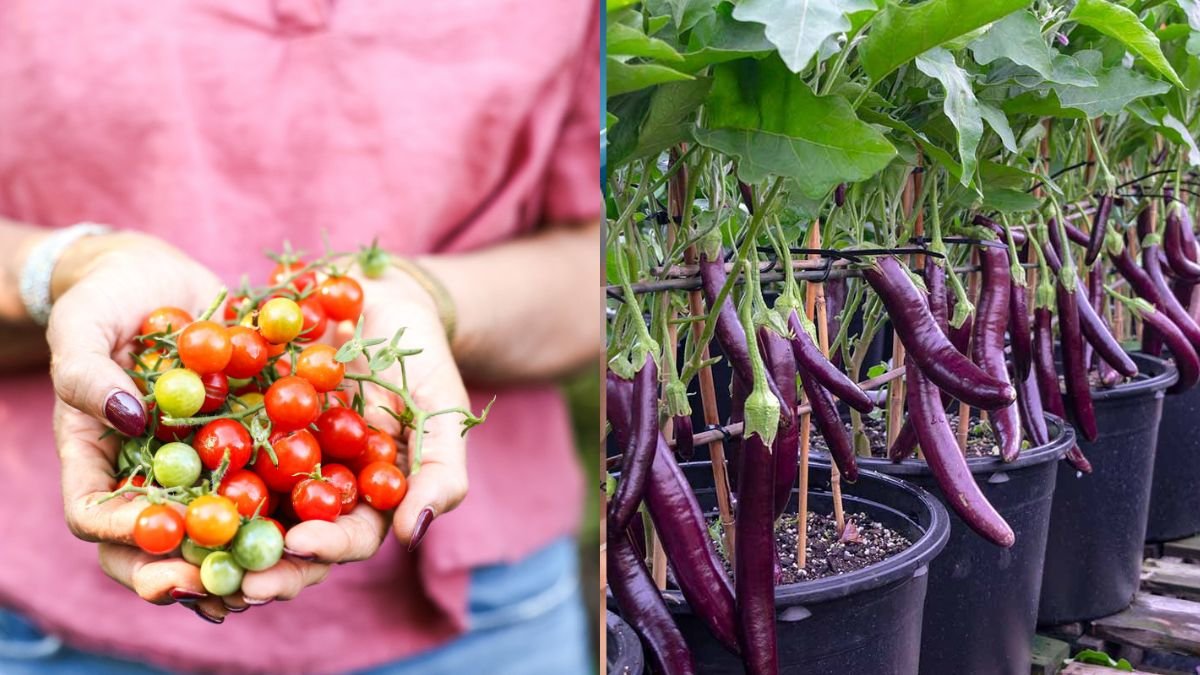
Why Water-Efficient Tomato and Eggplant Gardening Matters
Water scarcity is becoming a pressing issue for gardeners worldwide. Using water-smart techniques not only conserves a precious resource but also simplifies gardening, making it more accessible for busy urban dwellers. Tomatoes and eggplants are ideal candidates for [FOCUS KEYWORD] because they have relatively deep root systems that allow them to draw water efficiently if the soil or growing medium is managed correctly.
Water-efficient systems also support sustainability goals by:
- Reducing the overall consumption of freshwater
- Minimizing soil erosion and runoff
- Allowing for urban agriculture in places without a traditional garden
By adopting these strategies, gardeners can achieve high-yield harvests with less labor and fewer resources. (hortidaily.com)
1. Passive Hydroponics: Minimal Effort, Maximum Efficiency
One of the most effective ways to grow tomatoes and eggplants with minimal watering is through passive hydroponics, particularly the Kratky method. This system allows plants to draw water and nutrients directly from a reservoir, eliminating the need for constant irrigation.
How it Works:
- Plants are suspended above a nutrient solution in a container or bucket.
- Roots grow downward into the solution and absorb water and nutrients as needed.
- Water levels naturally decrease as plants grow, creating an air gap that promotes oxygenation of roots.
This method is particularly effective for urban gardeners, balcony growers, or anyone with limited space. It ensures that plants get all the water they need without daily attention, while still producing abundant fruits. (instructables.com)

Advantages:
- No need to water daily
- Reduces risk of root rot compared to overwatering soil
- Allows controlled nutrient delivery for better fruit development
2. Rainwater Harvesting and Water Retention Strategies
Even in traditional soil gardening, clever water management can help reduce the need for manual watering. By collecting rainwater and applying mulch, compost, or wicking systems, tomatoes and eggplants can thrive with minimal added water.
Techniques Include:
- Rainwater tanks: Store collected rainwater to irrigate plants during dry periods.
- Mulching: Keeps soil cool and prevents evaporation. Straw, wood chips, or shredded leaves work best.
- Wicking systems: Water is delivered from a lower reservoir into the soil via a wicking material, ensuring roots have continuous moisture.
These strategies, combined with deep-rooted plant varieties, allow crops to survive dry periods while still producing abundant fruit. (hortidaily.com)
Key Benefit: By holding moisture in the root zone and reducing evaporation, these systems significantly decrease the gardener’s watering workload.
3. Choosing Drought-Resilient Tomato and Eggplant Varieties
Some plant varieties naturally tolerate lower water conditions while still producing high yields. Selecting drought-tolerant tomatoes and eggplants is crucial for success in water-efficient gardening.

Recommended Varieties:
- Tomatoes: Pascal Poot’s resilient heirloom, Celebrity, and Roma
- Eggplants: Black Beauty, Long Purple, and compact dwarf varieties
These varieties have been bred to withstand occasional dry conditions while maintaining strong growth, fruit quality, and yield. In some experimental cases, growers have successfully cultivated these plants with little to no supplemental watering when paired with soil enrichment techniques. (hortidaily.com)
4. Practical Tips for Water-Efficient Gardening
Here are actionable techniques for maximizing tomato and eggplant yields while minimizing watering:
Maximize Sunlight Exposure
Both crops thrive under full sun, typically 6–8 hours daily. Proper sunlight ensures robust plant growth and higher fruit yield.
Mulching and Soil Management
Use organic mulch to retain soil moisture and regulate temperature. Compost-enriched soil helps roots access nutrients efficiently, even with minimal water.

Deep, Infrequent Watering
When soil is used, water deeply but less frequently. This encourages deeper root systems capable of drawing moisture from a larger soil volume.
Self-Watering Containers
Raised containers or planters with built-in reservoirs provide consistent water to roots with minimal effort. These systems can sustain plants for weeks, effectively reducing the need for frequent watering.
Monitor Plant Health
Check leaves and fruit regularly. Signs of drooping, yellowing, or slow growth indicate the plant may need additional hydration or nutrients.
Pest Control
Even low-water systems need occasional monitoring for pests such as aphids, whiteflies, or fungal issues. Netting, companion planting, or natural sprays can reduce pest damage. (rhs.org.uk)
5. Creative Systems for Low-Water Success
Passive Hydroponic Buckets
Small-scale Kratky or passive hydroponic setups work well for urban balconies. One or two buckets can support several tomato or eggplant plants for months.

Vertical Gardens
Stacked containers or vertical hydroponic towers maximize space while maintaining root access to water and nutrients.
Raised Beds with Reservoirs
Raised garden beds with internal water reservoirs allow roots to access moisture over extended periods without daily watering.
These systems allow gardeners to achieve high yields even in apartments or areas with limited soil.
Authoritative Sources to Follow
For additional guidance on water-efficient tomato and eggplant gardening:
- HortiDaily: Tomatoes Without Water or Pesticides — Real-world examples of drought-tolerant crops. (hortidaily.com)
- Instructables: Passive Hydroponics — Step-by-step Kratky method guides for tomatoes. (instructables.com)
- RHS Gardening — Best practices for tomato and eggplant care. (rhs.org.uk)
- Epic Agriculture — Research on high-yield, low-water crop techniques. (epic-agriculture.com)
Key Takeaways
- “No watering required” is achievable with specific systems such as passive hydroponics, water reservoirs, or rainwater retention.
- Choosing resilient varieties helps crops thrive with minimal supplemental water.
- Mulching, deep watering, and vertical setups reduce labor while maintaining high yields.
- These methods enable sustainable, high-yield tomato and eggplant gardening in urban, water-limited, or small-space environments.
By combining these approaches, gardeners can enjoy juicy tomatoes and glossy eggplants without the usual daily watering chore, conserving both time and resources.
