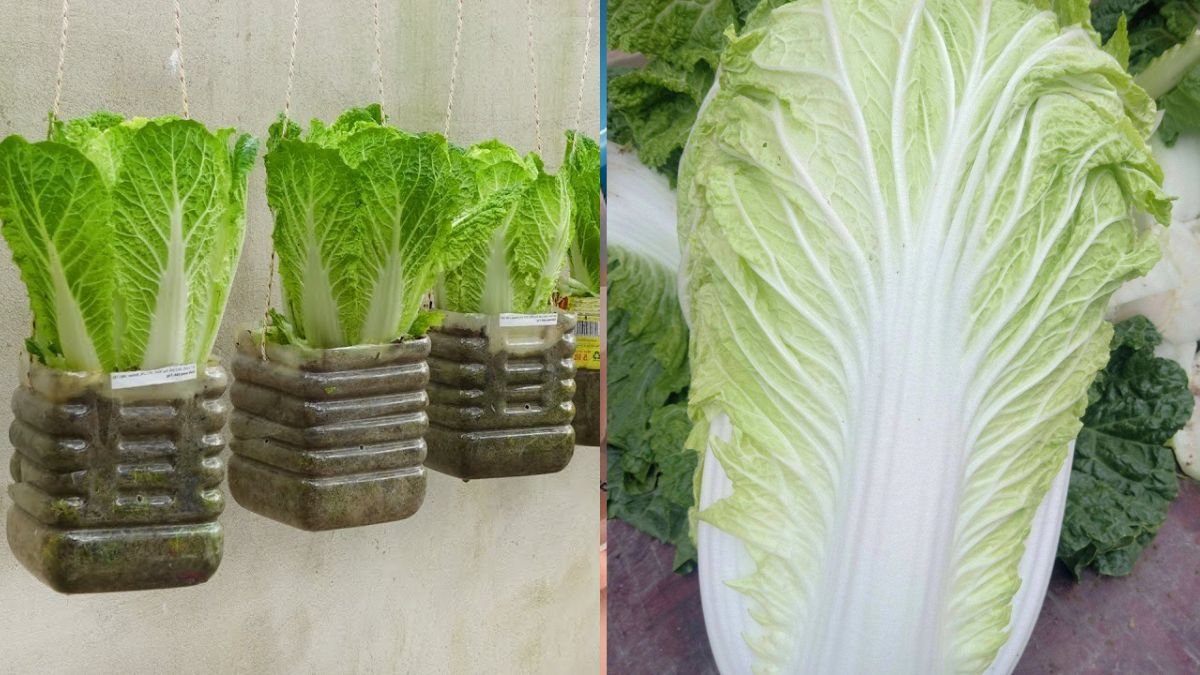
Why Grow Napa Cabbage in Small Pots?
Container gardening is a growing trend, particularly for urban dwellers or gardeners with limited space. Growing Napa cabbage in pots offers several benefits:
- Space Efficiency: You don’t need a large garden. Small pots allow you to grow fresh vegetables even in apartments or tiny outdoor areas.
- Control Over Soil and Water: Containers give you the ability to manage soil quality, moisture, and nutrient levels more effectively than in-ground gardening.
- Reduced Pest Problems: Growing in pots can help limit exposure to ground-dwelling pests and diseases.
- Accessibility: Pots can be moved to follow sunlight or protect plants from extreme weather, ensuring consistent growth.
These advantages make [FOCUS KEYWORD] perfect for anyone looking to grow fresh, healthy cabbage without a garden bed. (maheshlunchhome.org)
Choosing the Right Container
The first step to success is selecting a suitable container. Napa cabbage has moderate root depth, so the pot must be deep and wide enough to accommodate healthy root growth.
- Minimum Size: A pot with a diameter and depth of at least 12–14 inches is ideal. This allows roots to expand and supports larger, well-formed heads.
- Drainage: Ensure multiple drainage holes in the bottom to prevent waterlogging, which can lead to root rot.
- Material: Plastic pots, ceramic containers, grow bags, or even recycled buckets can work well, as long as they are clean and safe for growing edibles. (harvesttotable.com)
Selecting the right container sets the stage for healthy plants and strong, firm cabbage heads.

Preparing the Soil
Soil is critical for container-grown Napa cabbage. A fertile, well-draining mix ensures optimal growth and flavor.
Ideal Soil Mix:
- 50% Compost or Garden Soil: Provides essential nutrients and improves water retention.
- 30% Coco Coir or Peat Moss: Helps retain moisture and aerates the soil.
- 20% Perlite or Sand: Improves drainage and prevents compacted roots. (maheshlunchhome.org)
Avoid using heavy garden soil alone, as it may compact in containers, limiting root growth. Mixing these components creates a light, nutrient-rich medium ideal for pot cultivation.
Planting Napa Cabbage in Pots
You can start Napa cabbage either from seeds or seedlings:
- From Seeds: Sow seeds about ¼ inch deep directly into the pot. Keep soil consistently moist. Thin seedlings to ensure at least 10–12 inches between plants for proper head formation.
- From Seedlings: Transplant young plants once they have developed a few true leaves. Handle roots gently and water immediately after transplanting. (harvesttotable.com)
Proper spacing ensures each plant has room to grow, producing full, firm heads instead of crowded or stunted leaves.

Light and Temperature Requirements
Napa cabbage prefers cool temperatures ranging from 10–24°C (50–75°F). Heat stress can trigger premature bolting, causing leaves to become bitter and heads to form poorly.
- Sunlight: Place pots in a location that receives 4–6 hours of sunlight per day, preferably morning light.
- Shade Management: In hotter climates, provide afternoon shade to prevent bolting.
- Indoor Growth: If sunlight is insufficient, supplement with LED grow lights for 12–14 hours per day. (harvesttotable.com)
By controlling light and temperature, you can maintain steady growth and healthy cabbage development.
Watering and Fertilization
Water is crucial for potted Napa cabbage, as container soil dries faster than garden beds.
- Consistent Moisture: Keep the soil evenly moist, similar to a “well-wrung sponge,” avoiding both drying out and waterlogging.
- Frequency: Water deeply every morning or late afternoon to reduce evaporation and encourage strong root systems.
- Mulching: A layer of straw, shredded leaves, or coconut husk helps retain soil moisture and maintain temperature. (maheshlunchhome.org)
Fertilize regularly every 2–3 weeks using an organic fertilizer or compost tea to supply essential nutrients like nitrogen for leaf growth and potassium for strong, healthy heads.

Managing Pests and Common Challenges
Even in pots, Napa cabbage can face minor challenges:
- Bolting: Caused by heat or inconsistent watering. Keep soil moist and maintain cooler temperatures.
- Aphids and Slugs: Use natural deterrents like neem oil, diatomaceous earth, or companion plants to reduce infestations.
- Crowding: Ensure adequate spacing between plants to allow proper airflow and light penetration.
Container growing reduces many typical garden issues, but attention to detail ensures maximum results. (harvesttotable.com)
Harvesting Napa Cabbage
Napa cabbage typically matures in 70–90 days, depending on variety and growing conditions. Signs of readiness include:
- Firm, solid heads
- Vibrant green leaves without yellowing or damage
- Adequate size according to the plant variety
Harvest the entire head at once for maximum flavor, or pick outer leaves progressively for a continuous harvest. Freshly harvested cabbage enhances salads, stir-fries, soups, and fermented dishes, offering crisp texture and mild, sweet flavor. (maheshlunchhome.org)

Benefits of Growing Napa Cabbage in Small Pots
Container-grown Napa cabbage offers several advantages:
- Accessibility: Perfect for beginners and urban gardeners with limited space.
- Controlled Growth: Easier to manage soil, water, and nutrients.
- Less Pest Pressure: Reduced exposure to common garden pests.
- Flexible Placement: Move pots to optimize sunlight or protect from extreme weather.
- Fresh, Healthy Harvest: Enjoy crisp, nutritious cabbage at home anytime.
These benefits make [FOCUS KEYWORD] a practical and rewarding gardening approach.
Authoritative Sources for More Guidance
- Mahesh Lunch Home: DIY tips for growing Napa cabbage in small pots (maheshlunchhome.org)
- Harvest to Table: Container and small bed growing techniques (harvesttotable.com)
- The Spruce: Small-space vegetable gardening tips (thespruce.com)
Final Thoughts
Growing Napa cabbage in small pots is a practical, space-saving solution for urban gardeners or anyone with limited outdoor space. With proper container selection, nutrient-rich soil, consistent watering, and attention to light and temperature, [FOCUS KEYWORD] delivers big results, even in small pots.
This method makes gardening accessible, rewarding, and convenient, allowing anyone to enjoy homegrown, fresh Napa cabbage with minimal effort. Whether you’re a beginner or an experienced gardener, these tips ensure a crisp, flavorful harvest that will impress and satisfy.

Start today, grab your pots and seeds, and experience the joy of growing Napa cabbage right from your balcony or kitchen window! 🥬🌱