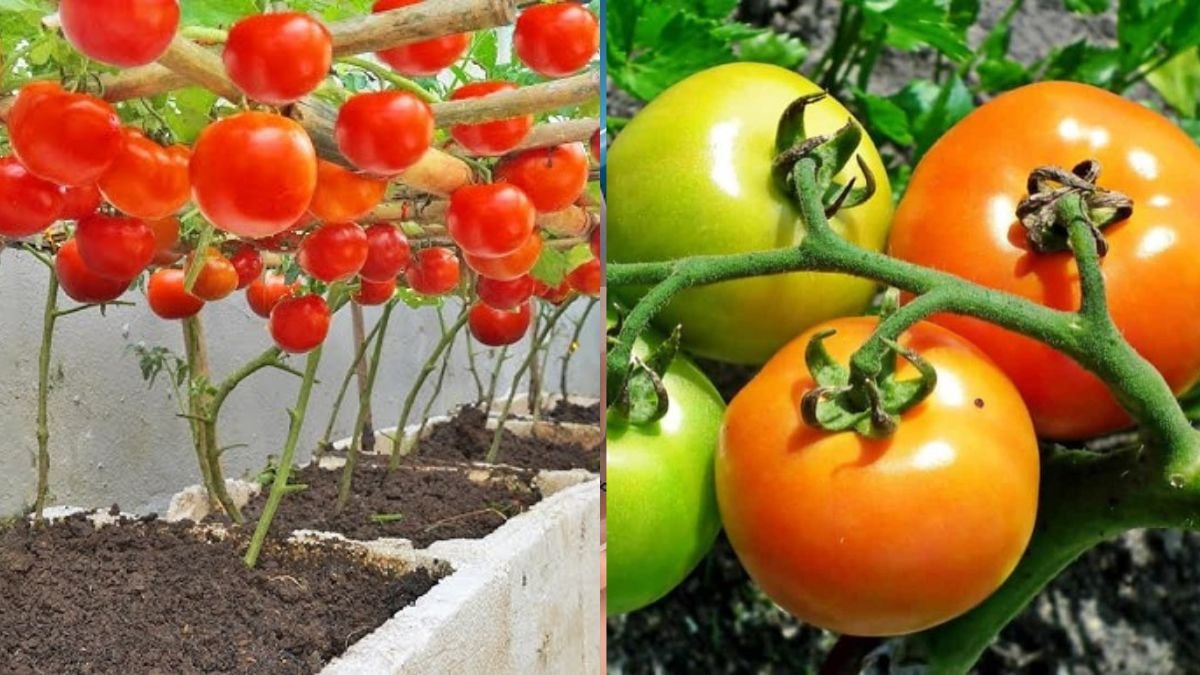
Introduction: The Tomato Revolution Is Here
Tomatoes are one of the most widely grown vegetables in the world. Yet, traditional cultivation often struggles with challenges like climate stress, limited land, pests, and nutrient deficiencies. But recent agricultural innovations have introduced a new way growing tomatoes, claiming yields up to 10 times higher than conventional methods.
This breakthrough isn’t just hype — it combines advanced farming systems, biotechnology, and optimized cultivation practices. From urban vertical farms to gene-edited varieties, tomato production is entering a new era. In this article, we explore the science, methods, and practical applications behind this revolutionary approach.
Why New Methods Are Essential
Traditional tomato farming faces multiple constraints:
- Climate vulnerability: Heat waves, droughts, and fluctuating temperatures reduce yields.
- Limited arable land: Urbanization and soil degradation shrink available farmland.
- Pest and disease pressures: Tomato crops are susceptible to fungal, bacterial, and viral diseases.
- Resource limitations: Water and fertilizers are often scarce or mismanaged.
To overcome these challenges, scientists and innovators are combining controlled environment agriculture (CEA), vertical farming, and genetic engineering to achieve higher productivity while using fewer resources. (HortiDaily)

The 10× Yield Breakthrough Explained
Achieving 10× yield is possible when space, genetics, and growth conditions are optimized. Let’s break down how this works.
1. Vertical Farming Innovation
Vertical farming is a game-changer for high-yield tomato production. In this system:
- Plants are stacked in multi-layer racks, maximizing square footage.
- LED lights provide optimal wavelengths for photosynthesis.
- Temperature, humidity, and CO₂ levels are tightly regulated.
- Nutrients are delivered through hydroponic or aeroponic systems, ensuring every plant gets what it needs.
An Israeli company, Grow‑tec, demonstrated that vertical farms can produce 10–20× the yield per square meter compared to conventional greenhouses. This method also reduces water usage and eliminates soil-borne diseases. (HortiDaily)
2. Gene-Edited Tomatoes
Genetic innovations are another pillar of the yield breakthrough. Scientists at the Chinese Academy of Sciences developed tomatoes with modified genes controlling:

- Plant height and branching
- Flowering time
- Fruit development
These modifications result in compact, high-density plants that thrive in vertical farms or controlled environments. Field and lab trials indicate up to 180% higher efficiency per plant, enabling more fruit per square meter. (Phys.org)
3. CRISPR Technology for Resource Efficiency
Water-efficient, stress-tolerant tomatoes are now possible thanks to CRISPR gene editing. Researchers at Tel Aviv University have created varieties that:
- Use less water without compromising fruit size or quality
- Resist heat stress, reducing crop failure risk
- Grow faster, shortening the harvest cycle
This allows growers to maximize yields even in water-scarce or urban environments. (ScienceDaily)
4. Optimized Hydroponic and Aeroponic Systems
Controlled nutrient delivery is crucial. Vertical farms and modern hydroponic systems allow:

- Precise feeding: Every plant receives exact amounts of nitrogen, phosphorus, and potassium.
- Disease control: Soil-borne pathogens are eliminated.
- Faster growth cycles: Nutrient-rich solutions accelerate plant metabolism.
When combined with high-yield varieties, these systems dramatically increase overall productivity.
Practical Implications for Farmers and Gardeners
Even if you aren’t running a commercial vertical farm, these techniques have practical applications:
- Small-scale urban growers: Compact hydroponic setups and optimized pruning can boost yields.
- Resource conservation: Gene-edited or drought-resistant tomatoes allow high productivity with minimal water.
- Disease management: Using controlled environments or resistant varieties reduces losses, improving profitability.
- Urban agriculture: Vertical or rooftop gardens in cities can now produce more food in smaller spaces.
By understanding and applying these innovations, you can significantly increase tomato output in your garden or greenhouse.
High-Yield Tips for Everyday Growers
- Choose compact, high-density varieties suitable for your growing environment.
- Prune regularly to focus energy on fruit production.
- Use high-quality compost or hydroponic nutrients for optimal growth.
- Provide sufficient light — 6–8 hours of sunlight or supplemental LED light indoors.
- Support vines and fruits to prevent breakage in dense setups.
- Monitor pests and diseases closely to avoid losses.
Even small adjustments inspired by vertical farming principles can multiply your harvest.

Case Studies & Success Stories
- Grow‑tec, Israel: Reported 10–20× yields per square meter using vertical hydroponics for tomatoes and cucumbers.
- Chinese Academy of Sciences: Developed high-density tomato plants for optimized space use and faster harvest cycles.
- Tel Aviv University: Introduced CRISPR-edited tomatoes that consume less water while maintaining fruit quality.
These examples show that modern tomato cultivation can combine genetic innovation, advanced systems, and precise care for unprecedented productivity. (HortiDaily)
Authoritative Sources for Further Reading
- HortiDaily: Vertical farming yield breakthroughs. (hortidaily.com)
- Phys.org: Gene-edited tomato innovations. (phys.org)
- ScienceDaily: CRISPR technology for water-efficient tomatoes. (sciencedaily.com)
- Times of India: Tomato variety research and cultivation trends. (timesofindia.indiatimes.com)
- ISAAA: Agricultural biotechnology news updates. (isaaa.org)
These sources provide reliable insights for growers looking to implement high-yield strategies.
Conclusion
The new way growing tomatoes represents a paradigm shift in agriculture. Through vertical farming, gene editing, CRISPR technology, and precision nutrient delivery, it is possible to achieve up to 10× higher yields.
Even for small-scale gardeners or urban farmers, adopting elements of these methods — like compact varieties, optimized pruning, and efficient nutrient management — can dramatically improve productivity.

The future of tomato cultivation is here. By embracing these innovations, you can maximize harvests, save resources, and grow more delicious tomatoes than ever before. Don’t miss out on this breakthrough in tomato farming!