Introduction
In today’s fast-paced urban lifestyle, most people want greenery in their homes but lack enough space to grow plants. This is where the Dream Hanging Garden at Home concept becomes a game-changer. Instead of using floor space, hanging gardens use vertical space—walls, balconies, ceilings, and railings—to grow beautiful plants, herbs, and even vegetables.
A hanging garden is not only stylish and modern, but also highly economical and practical. You don’t need a big backyard or expensive pots. With a little creativity, you can turn even the smallest apartment or balcony into a green paradise. Whether you are a beginner or an experienced gardener, this method is easy to follow and gives impressive results.
Let’s explore how you can create your own dream hanging garden at home and enjoy fresh air, beauty, and even fresh food right outside your window.
What Is a Hanging Garden?
A hanging garden is a gardening method where plants are grown in containers that are suspended in the air using ropes, hooks, or wall-mounted frames. These containers can hang from ceilings, balcony railings, or wall brackets.
Instead of planting in the ground, you grow plants in hanging pots, baskets, recycled bottles, or vertical racks. This allows you to use empty vertical space that normally goes unused.
This system is especially useful for:
- Small homes and apartments
- Balconies and windows
- Urban homes without gardens
- Indoor plant lovers
A hanging garden turns even a small space into a lively green area.
Why Hanging Gardens Are Perfect for Modern Homes
The biggest advantage of a hanging garden is that it fits perfectly into modern life. It is:
1. Space Saving
You don’t need a garden or big terrace. Even a small balcony or wall can hold many plants when arranged vertically.
2. Budget Friendly
You can use recycled items like plastic bottles, buckets, old baskets, and tins instead of buying costly pots.

3. Easy to Maintain
Plants are raised above ground, so they stay cleaner and are easier to water and care for.
4. Decorative
Hanging plants look beautiful and give your home a fresh, natural feel.
5. Healthy Living
Plants improve air quality, reduce stress, and create a peaceful environment.
How to Start Your Dream Hanging Garden at Home
Creating your own hanging garden is simple. You don’t need professional tools or expensive materials.
Step 1: Choose the Right Place
Pick a location that gets enough sunlight, such as:
- Balcony
- Window area
- Near doors
- Open terrace
- Indoor area with bright light
Most plants need at least 4–6 hours of sunlight.
Step 2: Select Containers
You can use:
- Plastic bottles
- Old mugs or cups
- Cloth grow bags
- Hanging baskets
- Clay or plastic pots
Make small holes at the bottom for drainage.
Step 3: Prepare the Soil
Use light, well-draining soil. You can mix:
- Garden soil
- Compost
- Cocopeat or sand
This helps roots grow well and prevents waterlogging.

Step 4: Choose Your Plants
Pick plants based on sunlight and space.
Step 5: Hang Securely
Use strong ropes, hooks, or wall brackets to hang the pots safely.
Best Plants for Hanging Gardens
Some plants grow especially well in hanging containers.
1. Decorative Plants
These add beauty and freshness:
- Money plant
- Pothos
- Spider plant
- Ferns
- Ivy
They grow downward and look stunning when hanging.
2. Flowering Plants
These bring color and fragrance:
- Petunia
- Begonia
- Geranium
- Portulaca
- Lobelia
They bloom well in hanging baskets.
3. Herbs
You can grow your own kitchen garden:
- Mint
- Basil
- Coriander
- Parsley
- Oregano
These are easy to grow and very useful in daily cooking.
4. Small Vegetables
Some vegetables also grow well:

- Cherry tomatoes
- Green chillies
- Spinach
- Lettuce
- Strawberries
Creative Hanging Garden Ideas
Your dream hanging garden at home can be both beautiful and practical.
Vertical Bottle Garden
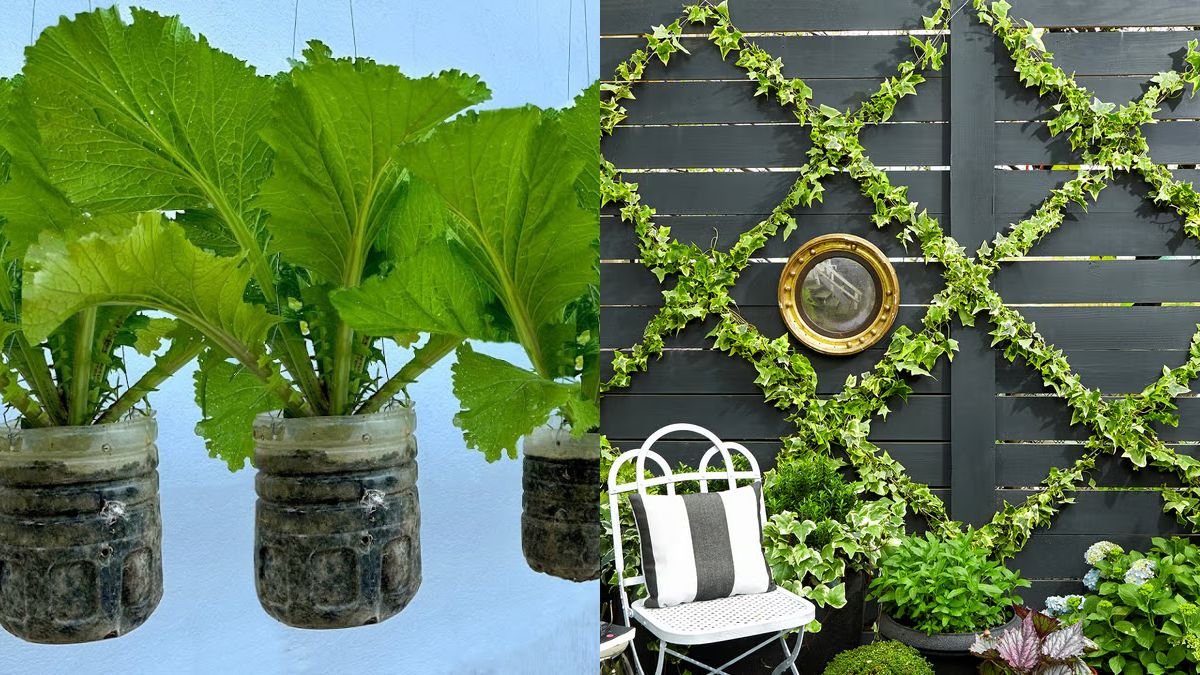
Cut plastic bottles horizontally, fill with soil, plant seeds, and hang them in rows. This is perfect for herbs and leafy vegetables.
Hanging Basket Rows
Hang several baskets at different heights to create a layered green look.
Wall-Mounted Planters
Attach pots or wooden racks to the wall and place plants inside.
Ladder Garden
Use an old ladder and hang pots on each step for a unique design.
Indoor Hanging Plants
Hang small plants near windows or in corners for a fresh indoor look.
Watering and Care Tips
Because hanging plants are not in the ground, they need special care.
Water Regularly
Hanging pots dry faster, so check moisture daily. Water when the top soil feels dry.
Avoid Overwatering
Make sure water can drain out. Too much water can damage roots.
Use Natural Fertilizer
You can use compost, banana peel water, or cow dung liquid every 2–3 weeks.

Trim Regularly
Cut dry leaves and overgrown branches to keep plants healthy.
Check for Pests
Spray neem water or mild soap water to protect from insects.
How Hanging Gardens Save Money
One of the best things about hanging gardens is that they are extremely economical.
You save money because:
- You use recycled containers instead of buying pots
- You grow your own herbs and vegetables
- You don’t need costly garden tools
- Less soil is required
- Fewer pests compared to ground gardens
A small investment gives you long-term benefits.
Benefits of a Dream Hanging Garden at Home
A hanging garden offers many advantages:
Improves Air Quality
Plants clean the air and provide oxygen.
Reduces Stress
Greenery has a calming effect on the mind.
Adds Beauty
Your home looks fresh, stylish, and welcoming.
Gives Fresh Food
You can enjoy fresh herbs and vegetables.

Increases Home Value
A green home feels more premium and pleasant.
Common Mistakes to Avoid
To get the best results, avoid these mistakes:
- Hanging too many plants in one place
- Using heavy pots without strong support
- Not providing enough sunlight
- Overwatering
- Using poor quality soil
With a little attention, your hanging garden will thrive.
Conclusion
A Dream Hanging Garden at Home is a wonderful way to enjoy nature even in the smallest living space. It is convenient, affordable, and perfect for people who want greenery without the need for a large garden.
By using simple materials, choosing the right plants, and following basic care tips, you can transform your home into a lush green paradise. Whether you grow flowers, herbs, or vegetables, a hanging garden brings beauty, freshness, and happiness into your life.