Introduction: Revolutionizing Melon Cultivation
Melons (Cucumis melo and related varieties) are cherished for their sweet, juicy fruits and versatility in gardens and farms worldwide. Traditionally, melons are grown sprawling along the ground, which exposes fruits to pests, rot, and uneven sunlight. This method also consumes a lot of space, making it inefficient for small gardens.
Modern horticulture has introduced vertical growing techniques, such as trellises, which have transformed melon cultivation. Among these, dome-shaped trellises stand out as both functional and aesthetically pleasing. They allow vines to grow in a 3D space, improving light exposure, airflow, and fruit support. This article explores how to design a unique dome trellis to maximize melon yield and sweetness while creating a stunning garden feature.
Why Dome Trellises Work
1. Improved Light and Airflow
By training melon vines upward and over a dome, leaves and fruits receive sunlight from multiple angles, promoting robust photosynthesis and better sugar accumulation in the fruits. Enhanced airflow reduces humidity, which decreases the risk of fungal infections such as powdery mildew. (harvesttotable.com)

2. Space Optimization
The curved dome allows vines to spread upward and outward, enabling gardeners to plant more melons in the same footprint without crowding. This 3D growth pattern increases productive canopy area while keeping fruits off the soil.
3. Aesthetic Appeal
A dome trellis doubles as a living garden pavilion, making your melon garden visually stunning. Unlike traditional flat trellises, dome structures combine function and design, turning melon cultivation into an attractive feature.
Step-by-Step Guide to Building a Dome Trellis
Step 1: Choose a Durable Base
Materials like metal mesh, welded wire, or flexible cattle panels form the trellis frame. Ensure supports are strong and anchored firmly to handle the weight of climbing vines and heavy melons. (trucoshogarjardin.com)
Step 2: Shape the Dome
Bend panels into a rounded dome. For heavier melon varieties, reinforce the frame with cross-bracing. Dome dimensions can vary depending on available space, but a typical structure is 2 meters wide and 1.5–2 meters high. (vegogarden.com)

Step 3: Position in Full Sun
Melons require 6–8 hours of sunlight daily. Place the dome in a sunny area to maximize photosynthesis and sugar content in the fruits. (greentowerharvest.com)
Step 4: Plant at the Base
Plant seedlings or seeds about 24 inches apart at the base of the dome. Guide the young vines to climb the trellis gradually. (homesandgardens.com)
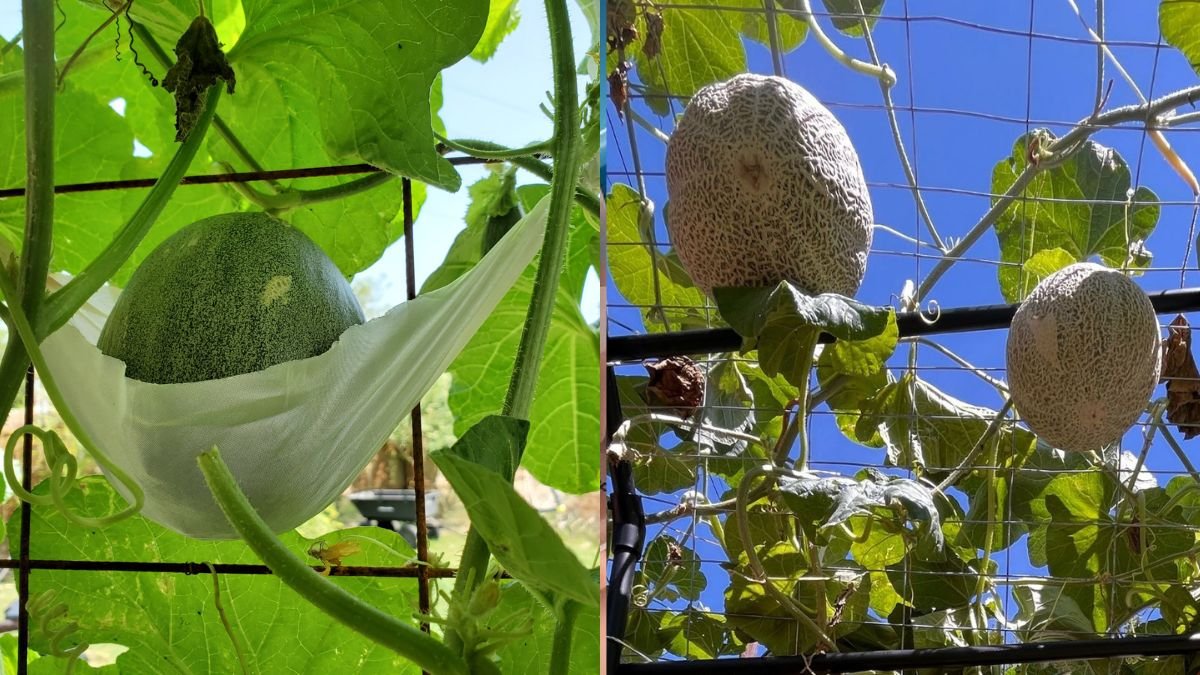
Step 5: Support Heavy Fruits
Use fabric slings or mesh bags to cradle heavy melons. This prevents the fruit from sagging or breaking the vine, ensuring optimal growth and development. (trucoshogarjardin.com)
Choosing the Right Melon Varieties
Not all melons are ideal for vertical growing. Experts recommend:

- Compact cantaloupes and muskmelons: naturally suited for smaller trellises
- Honeydew or Sugar Baby watermelons: smaller fruits are easier to support
- Heavy melon varieties can also be grown if support slings are used to hold the fruit securely. (epicgardening.com)
Choosing the right variety reduces structural strain and ensures higher quality fruit production.
Tips for Maximizing Sweetness and Yield
1. Train Vines Early
Guide young vines to climb the dome as soon as they sprout. Early training focuses plant energy on vertical growth and fruit development. (harvesttotable.com)
2. Strategic Pruning
Remove excess lateral shoots and non-productive leaves to redirect energy toward flowers and fruits, which improves both size and sweetness.
3. Pollination Support
Ensure flowers are adequately pollinated by encouraging pollinators like bees or hand-pollinating flowers. Proper pollination increases fruit set and quality. (extension.missouri.edu)

4. Consistent Watering
Water deeply and regularly to support juicy fruit development without stressing vines. Mulching around the base helps retain soil moisture.
Benefits of Dome Trellising
- Cleaner fruits: keeps melons off the ground, reducing rot and pest damage
- Improved fruit quality: better sunlight exposure promotes higher sugar levels
- Higher yield per area: dome structures utilize vertical space efficiently
- Ease of maintenance: pruning, watering, and harvesting become simpler
Protected and trellised melons consistently produce larger, sweeter, and healthier fruits compared to ground-grown counterparts. (harvesttotable.com)
Background Context: The Shift to Vertical Horticulture
Vertical gardening is transforming the way we grow sprawling crops like melons. Traditionally, these vines took up vast amounts of space, limiting density and complicating pest management. Trellising, especially in dome or arch designs, allows for:
- Efficient use of limited space
- Reduced pest and disease pressure
- Improved light interception for higher sugar accumulation
- Easier harvesting and maintenance
This method has been validated by modern horticulture research and practical garden experiments, highlighting the advantages of vertical melon production. (extension.missouri.edu)

Recommended Authoritative Sources
- 🌿 Trellising Cantaloupes: Why and How — practical guide for vertical melon cultivation (harvesttotable.com)
- 🍈 Tips for Growing Melons on Arched Trellises — dome and arch trellis insights (vegogarden.com)
- 🌱 Best Melon Varieties for Trellises — selection guide for vertical systems (greentowerharvest.com)
- 📹 Dome Trellis Video Guide — step-by-step tutorial (youtube.com)
Conclusion: Transform Your Melon Garden
Designing a unique dome trellis allows gardeners to grow super beautiful, sweet, and abundant melons even in small spaces. By combining strong structure, proper vine training, fruit support, and optimal varieties, gardeners can achieve higher yields, healthier plants, and visually stunning garden features.
Whether for personal enjoyment, urban gardening, or small-scale commercial production, dome trellises provide a smart, functional, and aesthetic solution to traditional melon cultivation challenges. Start planning your dome today and experience the satisfaction of bountiful, sweet melons climbing elegantly above your garden!