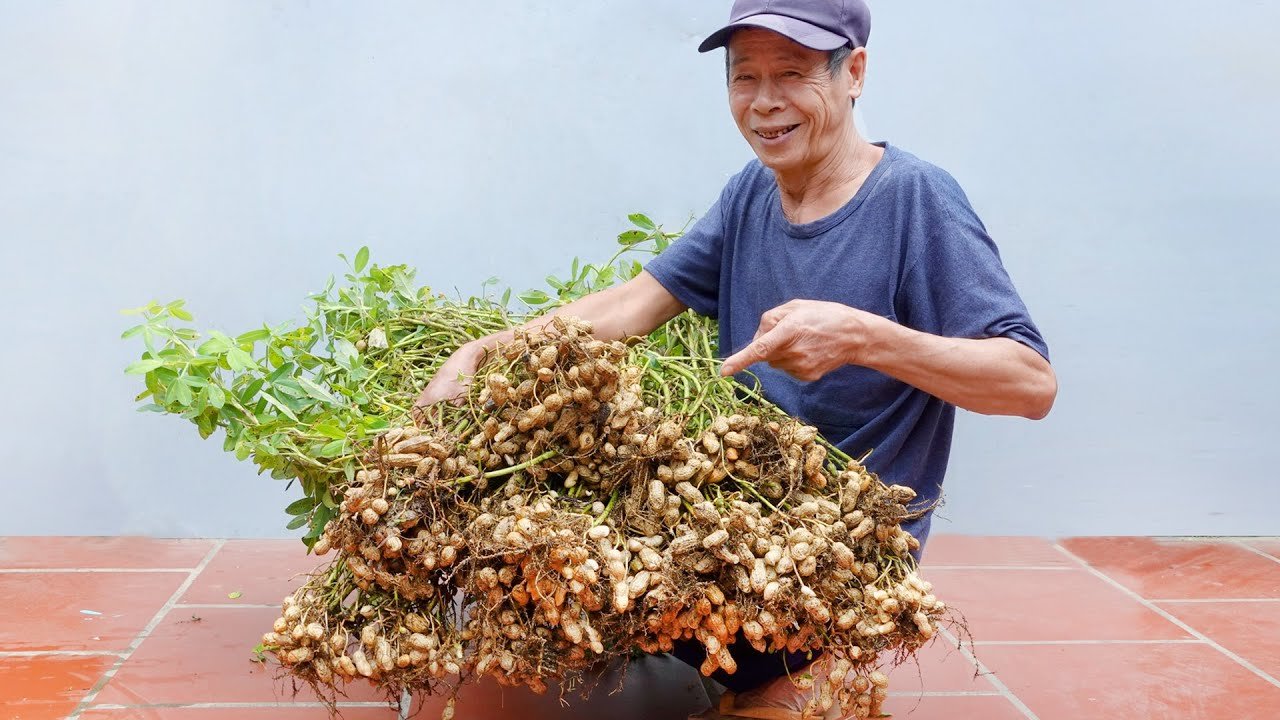
Understanding Peanut Growth: Why Special Care Matters
Peanuts are unique among legumes because their pods develop underground. While the plant aboveground looks like a typical vine, the pods form and mature in the soil, making nutrient availability, soil structure, and moisture management critical. Unlike some legumes that rely solely on nitrogen fixation in roots, peanuts absorb nutrients directly in the pod zone, which affects size, flavor, and protein content. (link.springer.com)
Additionally, environmental factors such as temperature, sunlight, and rainfall significantly influence growth. Peanuts thrive in warm climates with well-drained, sandy-loam soils. Poor soil quality, inconsistent watering, or inadequate pollination can result in low yields and shriveled pods. Modern farming research shows that small changes in care—especially targeted nutrient application, irrigation, and planting techniques—can have a major impact on overall productivity. Implementing [FOCUS KEYWORD] principles ensures that each peanut plant reaches its full potential.
1. Optimize Nitrogen and Nutrient Management
One of the most common mistakes in peanut cultivation is incorrect nutrient application. Even though peanuts are legumes capable of fixing nitrogen, they still require adequate nutrients, particularly during flowering and pod formation.
Why it matters:

- Nitrogen promotes healthy vine growth early on.
- Excess nitrogen during pod formation can reduce pod number and size.
- Phosphorus and potassium are critical for root development and pod filling. (edis.ifas.ufl.edu)
How to do it effectively:
- Test your soil to determine nutrient deficiencies before planting.
- Apply nitrogen at moderate levels early in the growth cycle.
- Focus on phosphorus and potassium near the pegging zone to support pod development.
- Use foliar feeding or side-dressing during the pod-filling stage to boost nutrient uptake.
Proper nutrient management not only increases the number of pods per plant but also enhances seed quality and oil content, a cornerstone of successful [FOCUS KEYWORD].
2. Inoculate Seeds with Beneficial Rhizobia
Peanuts form a symbiotic relationship with rhizobia bacteria, which fix atmospheric nitrogen into a form plants can use. Studies show that inoculating seeds or soil with rhizobia increases nodulation, improves plant vigor, and can boost yields by up to 10–15%. (mdpi.com)
Practical steps:

- Treat seeds with a rhizobia inoculant before planting.
- Ensure the inoculant is compatible with your peanut variety and local soil conditions.
- Avoid over-fertilizing with nitrogen, as excessive nitrogen can suppress bacterial activity.
Using rhizobia inoculation not only improves yield but reduces the need for synthetic fertilizers, supporting both productivity and sustainability—another key factor in [FOCUS KEYWORD].
3. Strengthen Soil with Calcium, Phosphorus, and Proper Structure
Peanuts require nutrient-rich soil for strong pod development. Calcium and phosphorus are particularly important:
- Calcium: Critical for pod filling. Insufficient calcium can result in empty or shriveled pods.
- Phosphorus: Promotes strong root and early pod development.
How to strengthen your soil:
- Apply gypsum as a calcium source during early bloom to improve pod formation.
- Conduct soil tests near the pegging zone to determine nutrient levels and adjust accordingly.
- Maintain soil structure by avoiding compaction and incorporating organic matter.
Healthy soil with proper nutrients ensures your peanut plants grow strong, pods fill properly, and yields are maximized—essential elements of [FOCUS KEYWORD]. (edis.ifas.ufl.edu)

4. Improve Water Management and Irrigation Techniques
Water management is one of the most overlooked factors in peanut cultivation. Peanuts need consistent moisture, particularly during flowering, pegging, and pod-filling stages. Both overwatering and underwatering can negatively affect yield and pod quality.
Best practices:
- Use drip irrigation to deliver water directly to the root zone without oversaturating soil.
- Water lightly but consistently during sensitive stages to prevent stress.
- Avoid overhead watering during pod development to reduce disease risk.
- Adjust irrigation based on rainfall and soil type; sandy soils may require more frequent watering. (farmersmag.co.za)
Proper irrigation not only increases pod size but also improves sugar content and seed quality, supporting high-quality harvests as part of [FOCUS KEYWORD].
5. Employ Smart Planting Techniques
Planting density, row spacing, and layout influence yield by affecting light interception, airflow, and nutrient competition. Overcrowded plants may produce smaller, less sweet peanuts.

Smart planting strategies:
- Use paired-row planting to optimize sunlight and water efficiency.
- Adjust spacing based on soil fertility and climate.
- Prune excess lateral shoots to focus energy on main vines and pods.
Strategically designed planting ensures each plant has space to thrive, reduces disease risk, and enhances overall yield—a practical step in applying [FOCUS KEYWORD]. (mdpi.com)
Additional Tips to Maximize Yield
Beyond the five core strategies, consider these complementary practices:
- Weed Control: Weeds compete for nutrients, water, and sunlight. Timely hand-weeding or mulching can significantly improve plant performance.
- Crop Rotation: Rotate peanuts with cereals or other legumes to improve soil health and reduce pest pressure. (edis.ifas.ufl.edu)
- Pest and Disease Management: Monitor for leaf spots, root-knot nematodes, and aphids. Early intervention protects pods and vines. (lgpress.clemson.edu)
When combined with the five main strategies, these additional practices help ensure healthy, high-yielding peanut plants.

Authoritative Sources for Reference
- University of Florida IFAS Peanut Production Guide – Management and cultural practices for optimal growth (edis.ifas.ufl.edu)
- Peer-reviewed research on nitrogen management – Nutrient strategies to increase yield (link.springer.com)
- Rhizobia inoculation studies – Benefits of biological nitrogen fixation (mdpi.com)
- Irrigation and soil management guidelines – University and farming magazine resources (farmersmag.co.za)
These sources provide a solid foundation for understanding and implementing high-yield peanut cultivation.
Conclusion
Doubling peanut yields is achievable with smart, science-backed strategies. From nutrient management and soil enrichment to rhizobia inoculation, irrigation, and planting techniques, each step contributes to larger, healthier pods. By avoiding common mistakes and applying these 5 surprisingly effective ways, you can maximize your harvest, improve seed quality, and enjoy a more productive peanut crop. Whether you are a backyard gardener or a commercial farmer, understanding and implementing [FOCUS KEYWORD] will unlock the full potential of your peanut plants.