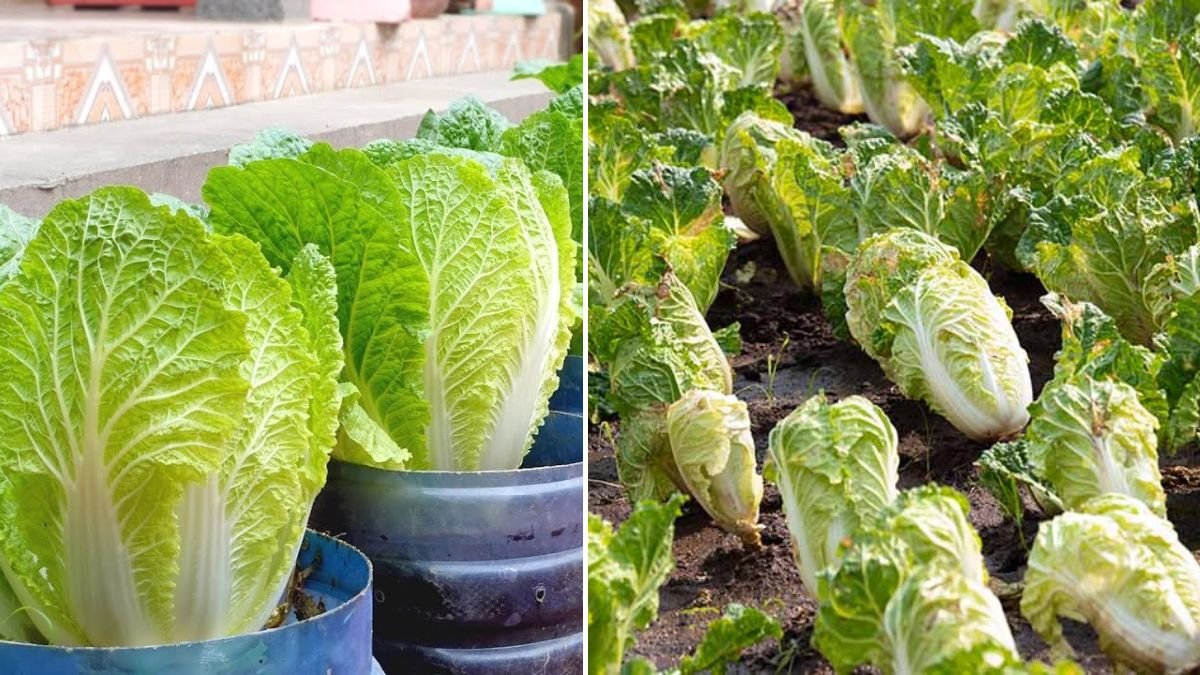
Introduction: Why Napa Cabbage Is the Home Gardener’s Delight
Napa cabbage (Brassica rapa subsp. pekinensis), also called Chinese cabbage, is an exceptionally versatile leafy vegetable with a mild, sweet taste and tender texture. It’s a staple in Asian cuisine—used in salads, stir-fries, soups, and the ever-popular fermented kimchi—but many gardeners underestimate how easy and rewarding it is to grow, even without a large backyard garden.
In recent years, urban and small-space gardeners have discovered that Napa cabbage thrives in containers, raised beds, and even balcony boxes, producing tender, nutrient-rich heads with surprisingly little effort. The secret lies in timing, soil preparation, and consistent care. With the right approach, anyone can enjoy homegrown Napa cabbage that is more flavorful than store-bought varieties. (Bademiya.org)
What Is Napa Cabbage and Why Should You Grow It?
Napa cabbage is an oblong, pale green leafy vegetable with a crunchy texture and sweet flavor. Unlike traditional round cabbage, Napa forms tightly packed heads with soft inner leaves, making it ideal for both raw and cooked dishes. (Wikipedia)
Growing Napa cabbage at home comes with multiple benefits:

- Superior taste: Freshly harvested heads are sweeter and more tender than store-bought varieties.
- Nutritional powerhouse: Rich in vitamins A, C, K, fiber, and antioxidants, it supports immunity and digestion.
- Versatility in the kitchen: Works for salads, soups, stir-fries, and fermentation.
- Adaptable to small spaces: Perfect for containers, terraces, and small gardens. (MaheshLunchHome.org)
By learning a few simple techniques, home gardeners can harvest bountiful, high-quality heads even in confined spaces.
Advantages of Growing Napa Cabbage at Home
1. Easy and Low Maintenance
Napa cabbage requires minimal labor. All it needs is consistent watering, sunlight, and fertile soil. It grows well without frequent fertilization or pest control if grown carefully. (MaheshLunchHome.org)
2. Quick Harvest
Depending on variety and season, you can harvest baby leaves in 30 days or full heads in 70–90 days. This rapid growth makes it ideal for continuous home harvests.
3. Space-Saving and Cost-Effective
Growing your own cabbage reduces grocery bills and provides fresh, preservative-free produce. Containers or raised beds allow urban gardeners to cultivate healthy vegetables in limited space.

4. Year-Round Planting Possibilities
With careful attention to season and temperature, Napa cabbage can be grown in spring, fall, or mild winter months, offering a steady supply of fresh greens. (Therike.com)
Getting Started: Choosing the Right Spot and Timing
🌿 Sunlight and Temperature
Napa cabbage grows best in cool temperatures (15–18°C) with at least 4–6 hours of sunlight. Too much heat can cause bolting (premature flowering) and bitter leaves. In hot climates, provide partial afternoon shade to protect tender heads. (Therike.com)
📆 Planting Seasons
- Spring: Start seeds indoors 4–6 weeks before the last frost and transplant when soil warms.
- Fall: Sow seeds 8–10 weeks before the first frost for a crisp autumn harvest.
- Cool climates: Direct sowing is possible once soil can be worked. (HarvesttoTable.com)
Step-by-Step Guide to Growing Napa Cabbage
1. Prepare Soil or Containers
Use well-draining soil with compost or organic matter. Maintain pH between 6.0 and 7.5. Containers should be at least 10–12 inches deep. This ensures roots grow healthy and heads form correctly. (Bademiya.org)
2. Sow Seeds or Transplant Seedlings
- Sow seeds about ¼ inch deep.
- Space plants 12–18 inches apart.
- Transplant seedlings when they have a few true leaves for strong growth. (MaheshLunchHome.org)
3. Watering
Maintain even moisture to prevent bitter leaves and premature bolting. Mulching around plants helps retain moisture and suppress weeds. (Therike.com)

4. Sunlight
Ensure at least 4–6 hours of sunlight. Reflective surfaces around containers can enhance light exposure in limited spaces.
Boosting Growth and Flavor
Fertilization
- Amend soil with compost or balanced organic fertilizer before planting.
- Apply nitrogen-rich side dressing early to promote leaf growth.
- Avoid over-fertilization late in the season to prevent loose or leafy heads. (HarvesttoTable.com)
Pest and Disease Control
Common pests include aphids, cabbage worms, and flea beetles. Use organic controls like neem oil or manual removal. Rotating crops and maintaining healthy soil reduce disease risk. (Plants.sorumatik.co)
Harvesting Your Napa Cabbage
Harvest heads when they feel firm and well-formed, usually 70–90 days after planting. Options include:
- Full head harvest: Cut at the base for mature heads.
- Leaf harvest: Pick outer leaves for continuous yield.
Napa cabbage can be eaten raw, cooked, or fermented, offering versatility for salads, soups, stir-fries, and kimchi. (Plants.sorumatik.co)

Troubleshooting Common Challenges
- Bolting: Often due to heat. Use shade and plant in cool seasons.
- Forked heads: Caused by compacted soil. Use loose, enriched soil.
- Pests: Control organically to avoid chemical residues.
Suggested Authoritative Sources
- Wikipedia – Napa Cabbage: Background, varieties, and uses. (Link)
- Bademiya – Grow Napa Cabbage at Home: Tips for container and small-space growing. (Link)
- Mahesh Lunch Home – Container Growing: Recycled container methods for urban gardeners. (Link)
- Harvest to Table – Fertilizing and Protection: Nutrient and pest management strategies. (Link)
Conclusion: Delicious and Rewarding Homegrown Napa Cabbage
Napa cabbage is one of the easiest and most rewarding vegetables to grow, even in small spaces or containers. With proper soil, sunlight, watering, and timing, gardeners can enjoy crisp, tender, and flavorful heads that outperform store-bought cabbage in both taste and nutrition.
Whether you’re a seasoned gardener or a beginner, [FOCUS KEYWORD] provides the knowledge to cultivate this versatile vegetable successfully. From fresh salads to kimchi and stir-fries, Napa cabbage delivers a continuous, homegrown supply of delicious, nutritious greens. Start planting today, and you’ll quickly wonder why you didn’t discover this leafy gem sooner!