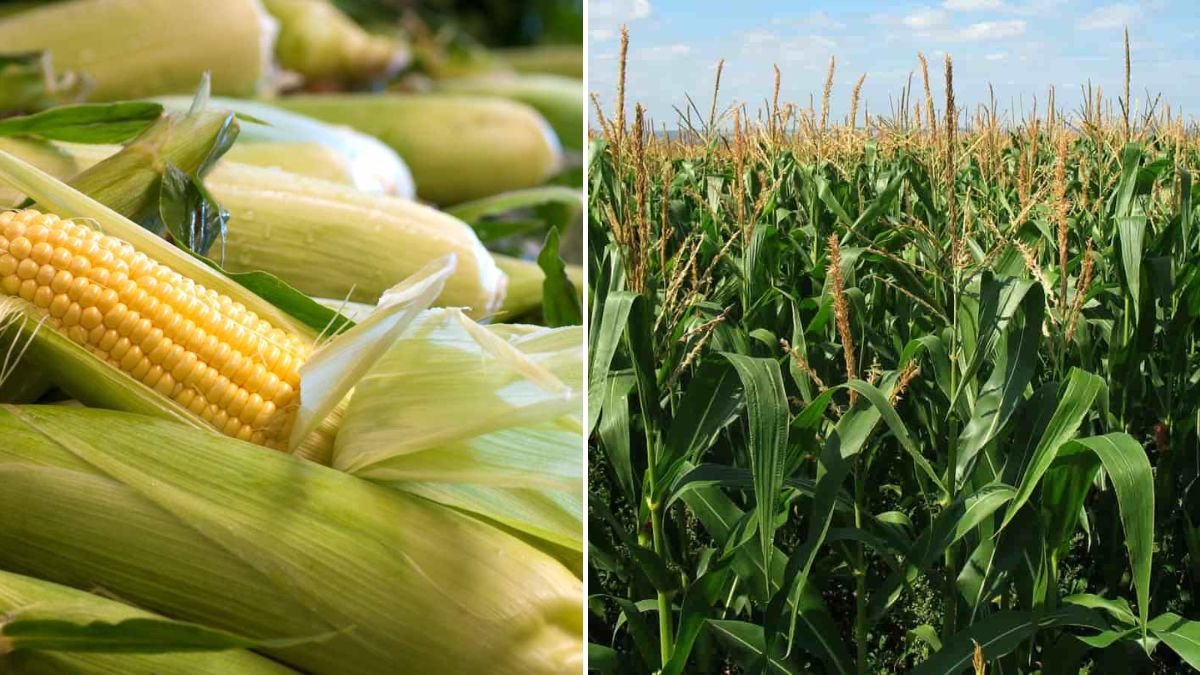
Why Grow Corn at Home?
Home-growing corn is not only satisfying but also practical. Several reasons make it a great choice for urban gardeners and small-space growers:
- Accessibility: Growing corn in pots or small plots allows fresh, home-grown produce even in apartments.
- Cost-effective: Avoid multiple trips to the grocery store; one or two container setups can produce plenty of ears.
- Control over quality: You decide how much fertilizer, water, and sunlight your plants receive, which often results in better-tasting and healthier corn.
- Fun and educational: A perfect project for families to learn about plant growth, pollination, and sustainable food practices.
Thanks to modern container gardening techniques and easy-to-follow planting guides, home corn production is becoming increasingly popular. The right strategy can even double your yield, giving you a bountiful harvest without the effort of traditional farming. (Queen’s Park Clinic)
Choosing the Right Corn Variety
Not every corn variety is suited for home-growing, particularly in containers or limited space. To achieve high yield and ease of care, select:
- Dwarf or compact sweet corn varieties: These grow tall enough for ears but remain manageable for small spaces.
- Early maturing varieties: Ready to harvest in 60–75 days, they produce a quick, abundant crop.
- Disease-resistant types: Reduce the need for extra care or chemical interventions.
Some recommended varieties include “Golden Bantam,” “Sugar Buns,” and Japanese sweet corn types suitable for container growth. (Micro Farm Guide)
Selecting Containers for High-Yield Corn
Corn roots need ample room to grow, so container choice is critical. The ideal containers are:

- Large grow bags (40–60 liters)
- Half-barrels or big plastic tubs
- Fabric pots with good drainage
Each corn plant requires at least 30–40 cm depth and width to allow roots to develop fully. Large containers not only provide space but also retain moisture and nutrients more effectively, leading to stronger stalks and higher yields. (Queen’s Park Clinic)
Soil Preparation for Maximum Growth
Corn is a heavy feeder, which means nutrient-rich soil is essential. A proper soil mix should include:
- High-quality potting mix as a base
- Organic compost or aged manure to supply nutrients
- Perlite or sand for aeration and drainage
Well-draining soil prevents waterlogging, while rich nutrients ensure the plants grow tall, healthy, and productive. Regularly replenishing the soil with compost or a balanced fertilizer ensures continued growth and high yield throughout the season. (Trucos Hogar Jardín)
Planting Corn Seeds
Correct planting is essential for maximizing yield:
- Plant seeds 1–2 inches deep.
- Space seeds 4–8 inches apart in clusters or blocks.
- Plant in blocks rather than single rows to improve pollination; corn is wind-pollinated, and clustering ensures the pollen reaches silks efficiently.
Planting in clusters also makes efficient use of container space and encourages even development of multiple ears. (Planthouse.in)

Sunlight and Water Requirements
Corn is a sun-loving crop. Ensure your containers receive at least 6–8 hours of direct sunlight per day. Morning sun is particularly beneficial for steady growth and photosynthesis.
Watering tips for high yield:
- Maintain consistent soil moisture without overwatering
- Deeply water containers to reach the full root zone
- In hot climates, water daily if necessary to prevent drying
Consistent moisture supports root growth, robust stalk development, and better ear formation. Mulching the surface with straw or organic matter reduces evaporation and keeps soil temperature stable. (Planthouse.in)
Fertilization and Feeding
Because corn is a heavy feeder, nutrient management is critical:
- Early growth stage: Apply a nitrogen-rich fertilizer to encourage leaf and stalk development.
- Flowering and ear formation: Use balanced fertilizers or compost tea every 2–3 weeks.
- Avoid overfertilization, which can lead to leafy growth at the expense of ears.
Regular feeding ensures healthy stalks, strong root systems, and maximum ear production, contributing to high yields with minimal extra effort. (Queen’s Park Clinic)

Supporting Tall Stalks
Even in containers, corn can grow tall and may need physical support to prevent tipping:
- Stake tall plants gently using bamboo sticks or balcony railings
- Secure the plant without restricting growth
Proper support ensures that the corn stalks stay upright, reducing stress on the roots and preventing broken stalks, which can affect yield. (Queen’s Park Clinic)
Pollination for Maximum Ear Formation
Corn is wind-pollinated. In small spaces, natural wind may not sufficiently pollinate plants. You can assist manually:
- Shake tassels gently to spread pollen
- Use a small brush to transfer pollen from male to female flowers
This simple technique improves kernel development and ensures more complete ears, which is essential for achieving super high yields in container setups. (Home Out Mind)
Harvesting Corn at Home
Harvest timing is critical for taste and yield:

- Check ears for maturity about 20 days after silks appear
- Kernels should be plump and milky when pressed
- Harvest promptly to encourage continued plant energy into new growth or adjacent ears
Frequent and timely harvesting improves overall production and prevents plants from diverting resources to overmature ears. (Farmer Flints)
Tips to Maximize Yield
- Plant in blocks rather than single rows for better pollination
- Mulch the soil surface to conserve moisture
- Apply slow-release organic amendments for continuous nutrient availability
- Monitor for pests and remove any diseased leaves promptly
With these strategies, even a small setup of 3–5 containers can produce more corn than expected, demonstrating that space does not limit productivity. (Trucos Hogar Jardín)
Recommended Resources
- 📺 YouTube – Plant Super High-Yield Corn at Home — Step-by-step visual planting and care guide (youtube.com)
- 🌱 Queen’s Park Clinic – Container Corn Guide (queensparkclinic.co.uk)
- 🌿 Farmer Flints – Container Sweet Corn (farmerflints.com)
- 🧑🌾 Micro Farm Guide – Dwarf Corn in Pots (microfarmguide.com)
Final Thoughts
Growing super high-yield corn at home is easier than you might think. By following the [FOCUS KEYWORD] method — choosing the right variety, using containers, providing sunlight, ensuring proper pollination, and maintaining moisture and nutrients — you can enjoy plentiful, sweet ears of corn even in limited space.
Whether on a balcony, terrace, or backyard patio, this approach allows anyone to harvest fresh corn with minimal effort, making it accessible, satisfying, and productive. With careful planning and attention to the basic principles of growth, you can transform small spaces into mini corn farms, achieving high yields and delicious results throughout the season.
