![Grow Vegetables Super Fast With Just Sand and Water – [FOCUS KEYWORD] Secrets for Futuristic Gardening](https://chickpetmarket.org/wp-content/uploads/2026/01/6-Nature-Lovers-Balcony-Ideas-for-a-Merry-Christmas-2026-01-25T130432.166.jpg)
Introduction
Gardening is evolving faster than ever. While traditional soil-based cultivation remains essential, modern soilless techniques like hydroponics are changing how we grow vegetables. Imagine growing fresh, healthy vegetables super fast using nothing more than sand and water — a concept that sounds almost too good to be true. But recent innovations in water-based cultivation, inert substrates, and nutrient management show that with the right approach, this method can deliver impressive results.
Many urban and hobby gardeners are turning to sand-based soilless gardening systems to save space, maximize growth speed, and reduce water use. In these systems, sand acts as a structural support medium, while water delivers all essential nutrients directly to plant roots. This approach can shorten the growth cycle, boost yields, and create a controlled environment that ensures consistent results. By combining traditional gardening instincts with modern techniques, you can achieve faster vegetable growth than ever before using the [FOCUS KEYWORD].

The Science Behind Sand and Water Gardening
Hydroponics: Water as the Nutrient Carrier
Hydroponics is a method of growing plants without traditional soil. Instead, plant roots are suspended in water enriched with nutrients, or anchored in an inert medium such as sand, gravel, or perlite. Water delivers all essential nutrients directly to the roots, eliminating the need for soil nutrients and allowing plants to grow faster. (en.wikipedia.org)
In sand-based systems, the sand does not provide nutrition; it merely supports the plant physically. The roots are submerged in a water-nutrient solution, which can accelerate nutrient uptake and reduce energy expenditure for the plant. This results in rapid growth, healthier plants, and earlier harvests. (mdpi.com)
Why Soilless Systems Grow Vegetables Faster
- Direct nutrient availability: Roots absorb nutrients immediately from the water solution, removing the delay associated with extracting nutrients from soil. (sciencebuddies.org)
- Optimal root oxygenation: Many hydroponic setups provide roots with oxygen-rich water, boosting respiration and growth.
- Reduced pest and soil disease pressure: Without soil, plants face fewer root diseases and soil-borne pests. (almanac.com)
- Controlled environment: Water-based systems allow precise management of nutrient concentration, pH, and temperature, leading to consistent, predictable growth. (timesofindia.indiatimes.com)
Vegetables That Thrive in Sand and Water Systems
While sand alone won’t nourish plants, combining it with a nutrient-rich water solution allows a wide variety of vegetables to grow rapidly:
- Leafy Greens: Lettuce, spinach, kale, and arugula grow exceptionally fast and can be harvested multiple times. (translate.google.com)
- Herbs: Basil, mint, parsley, and cilantro thrive in water-based systems and can be harvested continuously. (aajtak.in)
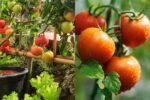
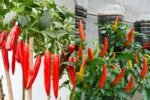
- Fruit Vegetables: Tomatoes, cucumbers, peppers, and beans perform well in controlled water systems with sand support, often maturing faster than in soil. (translate.google.com)
These examples demonstrate that water-based cultivation can outpace traditional soil gardening in both growth speed and overall productivity.
Step-by-Step Guide to Starting Sand and Water Gardening at Home
Materials Needed
- Clean, fine sand or inert medium (for root support)
- Water reservoir or container
- Nutrient solution with essential macro- and micronutrients
- Net pots or mesh cups for seedlings
- Support structures for climbing or tall plants
- Optional air pump for oxygenation
Procedure
- Prepare the sand: Rinse thoroughly to remove dust and impurities.
- Set up the reservoir: Fill with water and add a balanced nutrient solution.
- Position plants or seedlings: Place roots in net pots so they contact the nutrient solution.
- Support growth: Use stakes or trellises for climbing vegetables.
- Maintain nutrient balance: Regularly monitor water pH, electrical conductivity (EC), and nutrient levels. (en.wikipedia.org)
Following these steps allows even beginners to grow vegetables quickly with minimal space and soil requirements.
Advantages of Growing Vegetables With Sand and Water
- Faster growth cycles: Nutrients are delivered directly to roots, reducing time to harvest.
- Water efficiency: Many systems recycle water, using less than conventional soil gardening.
- Space-saving: Perfect for urban gardens, balconies, and rooftops.
- Pest and disease control: Reduced soil-borne problems and controlled environment minimize risks.
- Consistent yields: Ability to control nutrients and pH ensures steady growth. (sciencebuddies.org)
Common Misconceptions
- Sand alone won’t feed plants: Sand is purely structural; nutrients must be supplied in water. (translate.google.com)
- Not all vegetables are suitable: Root vegetables like carrots or beets are difficult to grow in pure water-sand systems. (translate.google.com)
- Monitoring is essential: pH, EC, and nutrient concentration must be checked regularly to ensure optimal growth. (almanac.com)
Real-World Examples
- Indoor Urban Farming in Indore: Innovators are growing vegetables indoors without soil or sunlight, using sand and water-based systems to control nutrient delivery, achieving faster growth and reduced water usage. (timesofindia.indiatimes.com)
- Rooftop Hydroponics in Bihar: Farmers are using sand as a support medium for nutrient-rich water systems to grow leafy greens and herbs on rooftops with minimal space. (ndtv.in)
These initiatives prove that sand-plus-water systems are practical for small-scale, space-efficient, and fast vegetable cultivation.
Authoritative Sources
- Hydroponics – Wikipedia: Fundamental principles of water-based, soilless vegetable growth. (en.wikipedia.org)
- USDA Hydroponics Overview: Insight into soilless cultivation and urban farming applications. (nal.usda.gov)
- Hydroponic Basics – Almanac: Beginner-friendly guide to water-based gardening. (almanac.com)
- Scientific Reviews on Sand Culture Systems: Explores plant growth in inert substrates using nutrient solutions. (mdpi.com)
Final Thoughts
Growing vegetables super fast using sand and water is a revolutionary idea, grounded in hydroponic principles. While sand alone cannot nourish plants, it serves as a stable support medium, and when combined with nutrient-rich water, plants grow faster, healthier, and more efficiently. Urban gardeners, small-space hobbyists, and enthusiasts can now achieve rapid, consistent harvests using this method, applying the [FOCUS KEYWORD] to boost productivity.
With proper monitoring, a balanced nutrient solution, and a bit of experimentation, sand-and-water gardening can transform your vegetable-growing experience — making fresh, homegrown produce faster and more accessible than ever before. 🌿✨