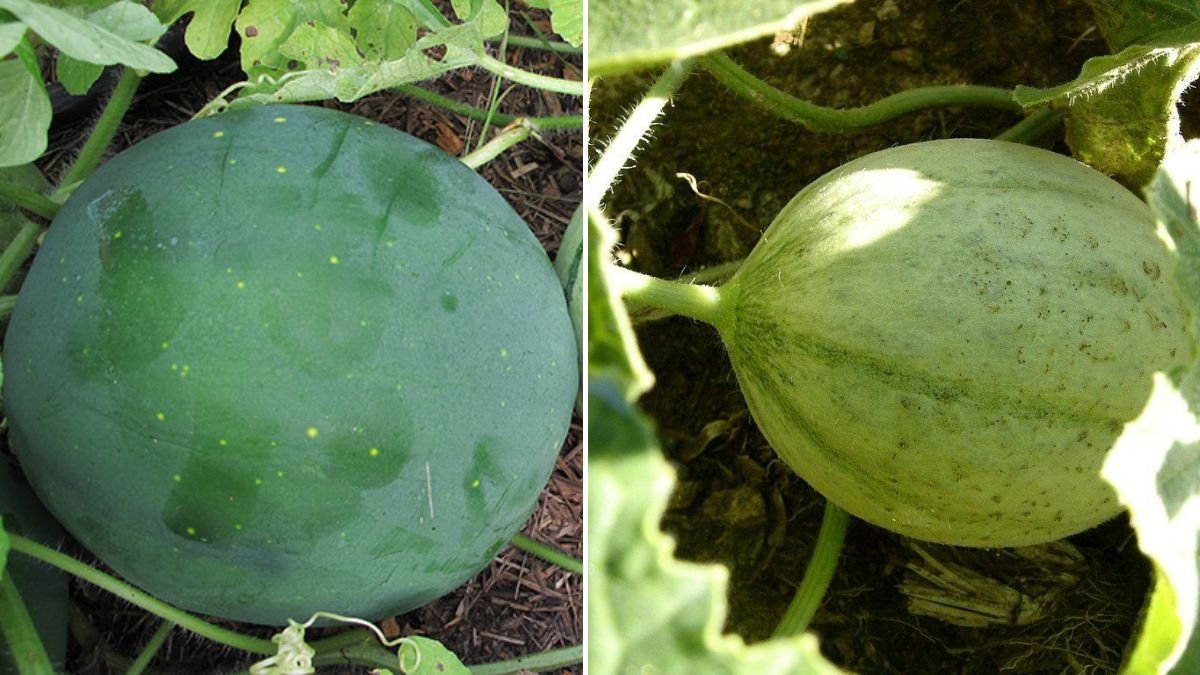
Why Growing Melons Year-Round Is Challenging but Rewarding
Melons (genus Cucumis and related species) are warm-season crops that prefer sunny conditions, consistent warmth, and rich, well-drained soil. In temperate regions, the outdoor growing season is often limited to late spring through early autumn. Cooler nights and shorter days slow vine growth, reduce flowering, and ultimately limit fruit production.
Despite these challenges, growing melons year-round is incredibly rewarding. Not only does it provide a continuous supply of fresh, homegrown fruits, but it also reduces the cost and effort of purchasing new seedlings each season. By controlling temperature, light, and soil conditions — and using clever propagation methods — gardeners can achieve production far beyond what is typically possible outdoors. (yates.com.au)
1. Use a Greenhouse or Polytunnel to Control the Environment
The most effective way to grow melons year-round is to provide a controlled environment. Greenhouses and polytunnels trap heat, maintain warmer nighttime temperatures, and protect plants from frost or cold spells. This allows melons to thrive even when outdoor conditions are unsuitable.
Benefits of greenhouse cultivation include:

- Early indoor sowing: Start seeds 4–6 weeks before outdoor conditions are favorable. This gives your plants a head start and extends the harvest period. (thompson-morgan.com)
- Extended harvests: By regulating temperature and humidity, your melon plants can produce fruit well beyond the typical growing season.
- Vertical growing: Using trellises inside a greenhouse saves space and increases yield.
Greenhouses also facilitate hand pollination, which is crucial when natural pollinators are scarce indoors. By brushing pollen from male flowers to female flowers, you ensure fruit set and high-quality harvests. (gardenandallotment.com)
2. Propagate Your Own Plants to Avoid New Seedlings
To truly avoid buying new seedlings, you can propagate melons from your existing plants. While melons are usually grown from seeds, propagation techniques can keep plants productive across multiple cycles.
Methods include:
- Stem cuttings: Rooting vine cuttings in warm, moist soil or a propagation medium can create new plants for the next season.
- Layering vines: Encourage roots to form on sections of the vine that touch soil, then transplant them once they are established.
- Re-rooting mature plants: Under the right indoor conditions, parts of mature melon plants can develop fresh roots and new growth, allowing continued production.
These methods allow you to maintain plants continuously without purchasing fresh seedlings, effectively extending your growing season. Note that success rates vary depending on melon variety and environmental conditions, but with patience, these techniques are highly effective.

3. Start Seeds Indoors Early
Even if you grow melons from seed, starting them indoors gives you a head start and reduces reliance on nursery seedlings. Sow seeds 4–6 weeks before outdoor planting in nutrient-rich soil under controlled conditions.
Tips for indoor sowing:
- Maintain soil temperature around 21–25°C (70–77°F) for optimal germination. (rhs.org.uk)
- Use grow lights or the sunniest window to ensure robust seedling growth.
- Harden off seedlings gradually before transplanting outdoors or into a greenhouse to prevent shock from temperature changes.
Early sowing ensures your plants are mature enough to produce fruit as soon as outdoor conditions are favorable, effectively extending your growing season.
4. Extend the Growing Season with Covers and Insulation
If a greenhouse is not available, you can still extend your melon season using row covers, hoop houses, or insulating materials. These tools maintain warmth around plants, allowing growth during cooler months.

Practical tips:
- Use floating row covers or plastic hoops to trap heat around the plant canopy.
- Mulch the soil with dark, heat-retaining materials to keep roots warm.
- Remove covers during daylight hours to allow pollination if flowers rely on insects. (gardeningchannel.com)
Season extension techniques provide a low-cost alternative to greenhouses, helping melons continue producing past the typical growing window.
5. Feed and Water for Optimal Growth
Melons are heavy feeders, requiring nutrients to support vigorous vine growth and fruit production. Fertilize plants at key stages:
- Planting: Use compost or balanced fertilizer to build strong roots and leaves.
- Flowering: Apply fertilizers higher in phosphorus and potassium to enhance flower and fruit development.
- Fruit maturation: Continue regular feeding to maintain fruit size and sweetness. (homesandgardens.com)
Watering consistently is equally important. Keep soil evenly moist, especially during flowering and fruit set, but avoid waterlogging, which can cause root rot. Drip irrigation or soaker hoses are ideal to deliver moisture directly to the roots. (harvesttotable.com)
6. Hand Pollinate When Needed
Melons produce male and female flowers separately. In greenhouses or indoor setups, natural pollinators may not be present. Hand pollination ensures fruit set and better yields.
How to hand pollinate:
- Identify female flowers by a small swelling at the base (future fruit).
- Transfer pollen from male flowers using a small brush or cotton swab in the morning when flowers are open.
This simple step can dramatically improve the success rate of fruit development in controlled environments. (rhs.org.uk)
7. Harvesting Tips for Continuous Production
Harvest melons when they are fully mature but still firm. For cantaloupes and honeydews, a sweet aroma and slight slipping from the stem indicate readiness. Watermelon ripeness can be judged by the ground spot turning yellow and a hollow sound when tapped.

Regular harvesting encourages plants to continue producing. Removing mature fruits prevents overburdening vines and directs energy toward new flowers and fruits.
Authoritative Sources for Reference
- Royal Horticultural Society — Melon Growing Guide (rhs.org.uk)
- Garden and Allotment — Greenhouse Melon Cultivation (gardenandallotment.com)
- Homes and Gardens — Fertilizing Melons (homesandgardens.com)
- Harvest to Table — Seasonal Care (harvesttotable.com)
- Thompson & Morgan — Indoor Seed Sowing Tips (thompson-morgan.com)
Conclusion — Enjoy Fresh Melons All Year Long
Growing melons all year round without buying new seedlings is entirely possible with the right approach. By using greenhouses or protective covers, propagating plants, starting seeds early, extending the growing season, and providing proper water, nutrients, and pollination, gardeners can harvest sweet, juicy melons continuously.
Success lies in understanding melons’ environmental requirements and maintaining consistent care. With patience and proper techniques, you can enjoy homegrown melons anytime — a delicious and rewarding accomplishment for any gardener.