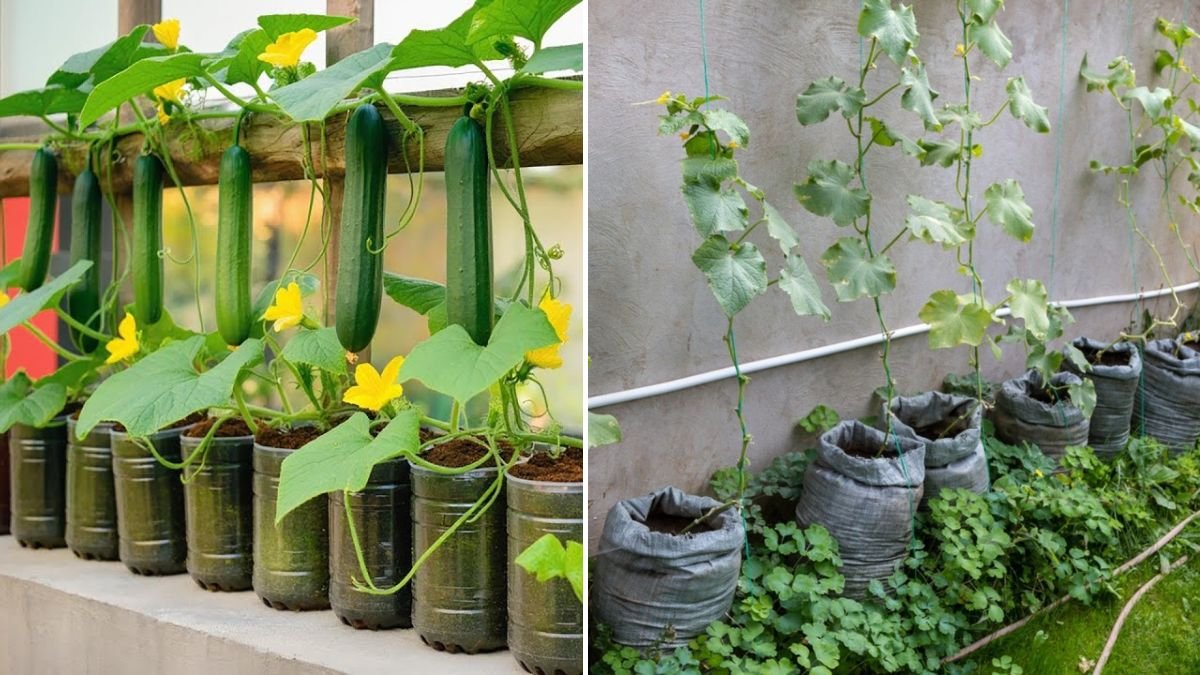
Why Japanese Cucumbers Are Perfect for Home Growing
Japanese cucumbers, also known as Kyuri, are uniquely suited for container or small-space gardening for several reasons:
- Fast Growth: Many varieties start producing fruits within 40 days after planting, allowing for quick harvests.
- High Productivity: When cared for properly, a single plant can produce a remarkable number of fruits throughout the season.
- Adaptability: Japanese cucumbers grow well in containers, grow bags, or even vertical supports, making them perfect for balconies or terraces.
While “no care needed” might sound like a gardening fantasy, it really refers to the simplicity of their requirements. With a few smart steps—sunlight, water, and minimal fertilization—you can reap high yields without daily, labor-intensive gardening. (Kagome.co.jp)
Choosing the Right Containers
Container selection is crucial for Japanese cucumbers because these plants need ample space for roots to grow. Choose pots, grow bags, or large containers at least 30–40 cm (12–16 inches) deep and wide. Large containers help in several ways:
- Retain consistent moisture
- Provide sufficient space for root growth
- Allow steady nutrient availability
Proper drainage is essential. Containers without drainage holes can cause waterlogging, root rot, and stunted growth. Fabric grow bags, plastic pots, or even recycled containers with drainage holes can work effectively. (Kagome.co.jp)

Soil Preparation
Japanese cucumbers thrive in well-draining, nutrient-rich soil. A good potting mix, amended with compost or organic matter, ensures steady plant growth. Maintaining a slightly acidic to neutral pH (6.0–7.0) allows efficient nutrient absorption and healthy root development.
Because containers have a limited soil volume, nutrients can be depleted quickly. Using slow-release fertilizer or liquid compost tea every 10–14 days supports continued flowering and fruiting without overwhelming the plant. (Kagome.co.jp)
Sunlight Requirements
Japanese cucumbers need full sunlight to thrive — ideally 6–8 hours of direct sunlight per day. Morning sunlight is particularly beneficial as it warms the plants gradually and stimulates photosynthesis.
For balconies or terraces that may receive uneven sunlight, reflective surfaces like white walls or light-colored floors can increase light exposure. In indoor settings, supplemental grow lights can provide 10–12 hours of daily light, ensuring consistent growth and flowering.

Support Structures for Vertical Growth
Japanese cucumbers are naturally climbing vines, and vertical support is essential when growing in containers. A trellis, netting, or bamboo stakes encourages upward growth rather than sprawling on the ground. Vertical growth improves:
- Air circulation, reducing the risk of fungal infections
- Sunlight exposure, boosting photosynthesis
- Space efficiency, perfect for small balconies or terraces
- Fruit cleanliness, making harvesting easier and reducing rot
Training vines early on the support ensures stronger, more productive plants that continuously produce fruit throughout the season. (Kagome.co.jp)
Planting and Growth Basics
Whether starting from seeds or seedlings, timing and placement are key:
- Planting Time: Plant cucumbers after frost risk has passed and when temperatures consistently stay above 15 °C (60 °F). Early planting ensures a longer growing season.
- Spacing: If planting multiple containers, keep at least 30–40 cm between plants to allow airflow and sunlight penetration.
- Watering: Maintain even moisture by watering when the topsoil feels dry. Morning watering is ideal, reducing the risk of fungal infections and leaf damage.
Even minimal but consistent care will yield substantial results. With proper conditions, the plants remain healthy and productive all season long.

Minimal Care Tips for Maximum Yield
To achieve high yield with minimal effort, follow these easy care steps:
- Water Consistently: Avoid letting the soil dry out completely. Cucumbers contain high water content and respond quickly to consistent moisture.
- Feed Lightly: Apply a balanced fertilizer or compost tea every 2–3 weeks to maintain nutrient levels. Overfertilization can cause excessive leaf growth at the expense of fruiting.
- Pinching and Pruning: Remove excess lateral shoots and pinch the vine tips after reaching the top of the support. This redirects energy toward flowering and fruit development.
By following these straightforward steps, even beginners can enjoy continuous cucumber production without complex routines. (YouTube Tutorial)
Harvesting Japanese Cucumbers
Proper harvesting ensures the plant continues producing:
- Pick cucumbers when they are firm and 18–20 cm long, depending on the variety.
- Avoid letting fruits overgrow, which can divert plant energy from producing new flowers.
- Frequent harvesting stimulates the plant to produce more fruit rather than letting energy accumulate in existing fruit.
Regular, timely harvests are central to achieving double yield with minimal effort. Even a few plants can provide a continuous supply of fresh cucumbers throughout the growing season.

Optional Tip: Hand Pollination
In urban environments, insect activity may be limited, affecting pollination. Hand pollination is a simple solution:
- Identify male flowers (thin stems) and female flowers (with small swelling at the base).
- Gently transfer pollen from male to female flowers using a soft brush or your fingertip.
- Focus on morning pollination when pollen is active.
This small intervention can significantly increase fruit set, contributing to higher yields. (YouTube Tutorial)
Benefits of Growing Japanese Cucumbers at Home
Growing Japanese cucumbers in containers provides several advantages:
- Cost-effective: One or two plants can produce enough cucumbers for a family for months.
- Convenient: Fresh cucumbers are accessible right from your balcony or terrace.
- Nutrient-rich: Freshly harvested cucumbers retain more vitamins, minerals, and antioxidants than store-bought varieties.
- Minimal effort: With proper setup, plants require only basic care to produce abundant fruit.
Additionally, growing your own food reduces dependence on grocery stores and minimizes waste, as you only harvest what you need.

Suggested Authoritative Sources
For detailed guidance and expert advice, these resources are highly recommended:
- Kagome: Cucumber Growing Guide – Expert tips for planting, support, and harvesting. (kagome.co.jp)
- Kagome Vegeday Grow Guide – Step-by-step instructions for care, growth, and maximizing yields. (kagome.co.jp)
- Earth Garden Cucumber Tips – Fertilization and container-growing advice. (earth.jp)
- Nippon Gardening – Complete cucumber cultivation guide from seed to harvest. (nippongardening.com)
- YouTube: Grow Japanese Cucumbers at Home – Double Yield, No Care Needed! – Practical visual demonstration of techniques for maximizing production. (youtube.com)
Final Thoughts
Growing Japanese cucumbers at home is simple, productive, and highly rewarding. By using containers, providing vertical support, ensuring sunlight, and harvesting consistently, you can enjoy double yields with minimal effort.
Whether you live in an apartment, have a small balcony, or want fresh cucumbers within arm’s reach, [FOCUS KEYWORD] makes home cucumber cultivation accessible to everyone. With just a few plants and minimal attention, you can create a thriving mini cucumber garden that produces crisp, delicious fruits throughout the season.