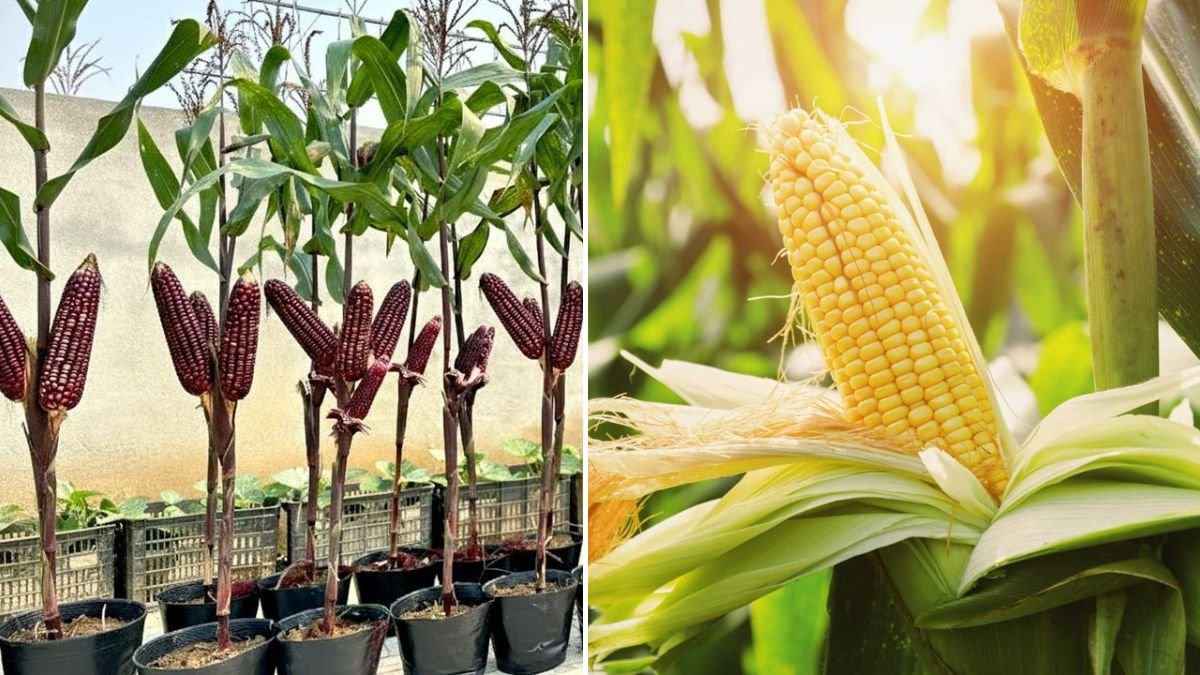
Why Growing Corn at Home is Easier Than You Think
Corn (Zea mays) is a versatile and highly rewarding crop for home gardens. Its sweet, juicy kernels are perfect for fresh eating, cooking, or preserving. Unlike other vegetables, corn is wind-pollinated, so proper planting layout is key to getting full, plump ears.
Home gardeners are increasingly using small plots, containers, and raised beds to cultivate corn successfully. By focusing on soil fertility, watering, sunlight, and pollination, it’s possible to achieve yields comparable to larger-scale plantings. Even first-time growers are reporting significant harvests when they follow simple planting strategies. (masterclass.com)
Focus Keyword
[FOCUS KEYWORD] — First Time Growing Corn at Home More Cobs
1. Choose the Right Spot and Prepare the Soil
Corn thrives in full sun and fertile, well-drained soil. Aim for at least 6–8 hours of direct sunlight daily. Sunlight fuels photosynthesis, helping plants grow strong stalks and produce plump ears.
Before planting, enrich the soil with organic matter such as compost, well-rotted manure, or garden mulch. Fertile soil promotes robust growth, strong roots, and higher yields. For optimal results, maintain a slightly acidic to neutral pH of around 6.0–7.0. This ensures corn can absorb nutrients efficiently. (umass.edu)

2. Plant in Blocks, Not Long Rows
Corn is wind-pollinated, which means pollen from tassels must reach the silks on ears for kernels to form. Planting in blocks or clusters instead of single long rows significantly improves pollination success.
- Recommended spacing: Plant corn in blocks of 10–50 plants.
- Plant distance: 8–12 inches between plants within the block, and 24–36 inches between blocks.
Block planting increases pollen transfer, reduces blank kernels, and ultimately leads to more cobs per plant. This technique is crucial for first-time growers seeking maximum harvest. (almanac.com)
3. Water Consistently for Maximum Yield
Corn grows rapidly and requires consistent moisture, especially during tasseling and ear development. Inconsistent watering can lead to poor pollination and smaller ears.
- Water deeply: Aim for about 1 inch per week, adjusting for rainfall and temperature.
- Mulch: Apply a layer of straw, shredded leaves, or grass clippings to retain soil moisture and regulate temperature.
Deep, consistent watering encourages strong root systems and ensures that developing cobs reach full size. (gardenerspath.com)
4. Fertilize for Healthy Growth
Corn is a heavy feeder, needing plenty of nitrogen for tall stalks and robust ears. Fertilize the soil at planting and again when the plants reach about knee height.

- Balanced fertilizer: Use an all-purpose organic fertilizer or compost mix.
- Nitrogen boost: Side-dress with nitrogen-rich compost to support ear development.
Healthy, nutrient-rich soil is directly linked to larger cobs and more ears per plant, even in small home gardens. (masterclass.com)
5. Encourage Pollination
Pollination is key to producing full, plump kernels. While wind does most of the work, gardeners can assist in smaller plots:
- Shake plants gently: Once or twice a week when tassels appear, shake stalks to distribute pollen.
- Hand pollination: Collect pollen from tassels in the morning and brush onto silks for maximum coverage.
These simple steps help ensure every ear fills properly, contributing to a higher yield than traditional, hands-off methods. (homesandgardens.com)
6. Companion Planting
Using companion plants like beans and squash (the traditional “Three Sisters” method) benefits corn in multiple ways:
- Beans fix nitrogen in the soil, feeding the corn naturally.
- Squash provides ground cover to reduce weeds and retain moisture.
- A diverse planting can deter pests and create a healthier garden ecosystem.
Incorporating companion plants may not only improve corn health but also increase the number of fully developed cobs per stalk. (gardeningtips.in)

7. Harvesting at the Right Time
Knowing when to harvest is critical to getting sweet, juicy corn:
- Check tassels and husks: Ears are ready when tassels dry and husks remain green but firm.
- Kernel test: Press a kernel with your fingernail — if it releases milky juice, it’s ready.
Harvesting at peak maturity ensures the maximum sweetness, fullness, and quality for all your cobs.
Common Mistakes to Avoid
Even with beginner-friendly methods, some mistakes can reduce yield:
- Planting in the shade: Corn needs full sun for ear development.
- Overcrowding: Crowded plants compete for nutrients, resulting in smaller ears.
- Waterlogged soil: Poor drainage causes root rot.
- Ignoring pests: Regularly check for insects; remove manually or use soap sprays.
Avoiding these pitfalls ensures your first corn crop is a truly successful harvest.
Why These Methods Work
Corn is resilient but benefits from attention to sunlight, soil, and pollination. Even novice gardeners can achieve impressive yields by:

- Providing fertile soil
- Using block planting for pollination
- Watering consistently
- Applying nutrient-rich compost or fertilizer
- Encouraging pollination manually if needed
These strategies explain why many first-time growers report three times more cobs than they expected. (masterclass.com)
Authoritative Sources
For more detailed guidance and expert advice:
- Old Farmer’s Almanac – How to Plant, Grow, and Harvest Corn: Traditional guidance on planting, spacing, and care. (almanac.com)
- MasterClass – How to Grow Corn in a Home Garden: Expert advice on soil, fertilization, watering, and pollination. (masterclass.com)
- Plantura – Corn Planting Tips: Home-growing strategies for maximum yield. (plantura.garden)
- Gardener’s Path – Sweet Corn Growing Techniques: Step-by-step growth strategies for backyard corn. (gardenerspath.com)
- Homes & Gardens – Growing Corn Successfully: Practical advice on planting, watering, and harvesting. (homesandgardens.com)
These sources combine practical home gardening advice with expert horticulture insights, helping you maximize corn yields even as a beginner.
Final Thoughts
Growing corn at home for the first time can be incredibly rewarding. By following these proven strategies, even complete beginners can achieve a harvest much larger than expected, sometimes producing three times more cobs than anticipated.
The key factors for success are:

- Choosing a sunny, fertile location
- Using block planting to improve pollination
- Consistent watering and nutrient-rich soil
- Manual assistance with pollination if necessary
Whether you’re planting in a backyard, raised bed, or container garden, these techniques can help you cultivate healthy, bountiful corn plants that produce multiple, delicious cobs. With patience and care, you’ll enjoy the thrill of harvesting your own sweet corn — a true reward for first-time home gardeners.