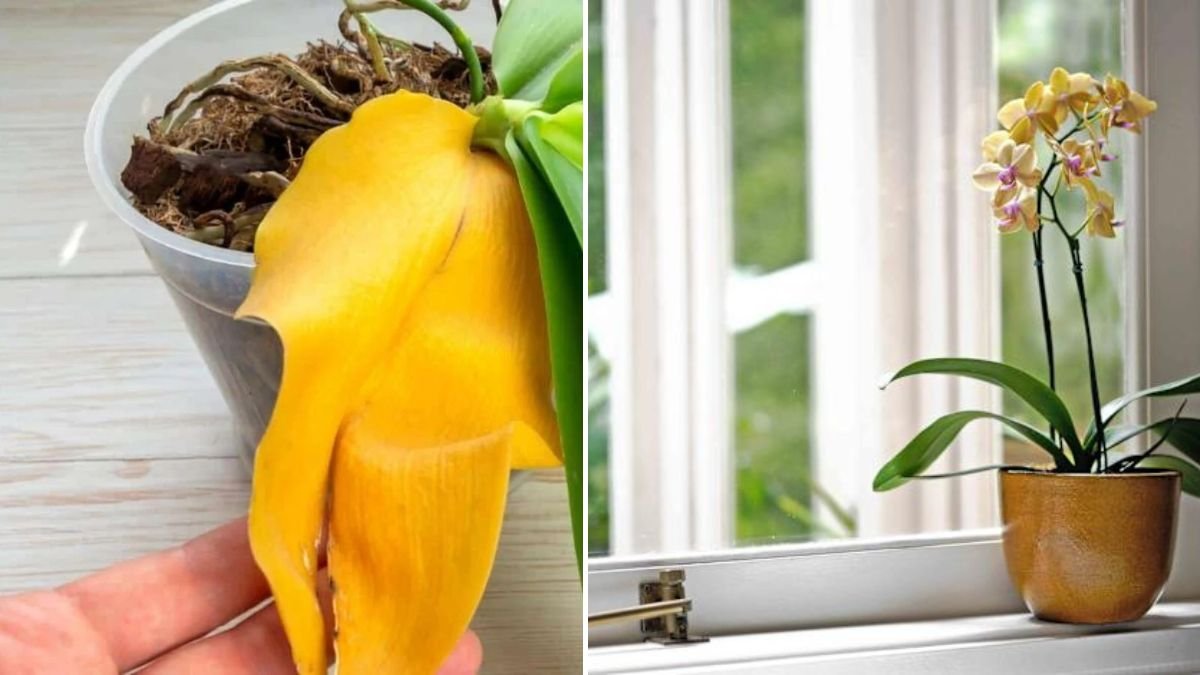
Common Causes of Wilting Orchid Leaves
1. Overwatering and Root Rot
Overwatering is one of the most common reasons orchid leaves wilt. When orchid roots sit in waterlogged potting media, they begin to rot, losing their ability to absorb water and nutrients. Without healthy roots, the leaves become limp and may yellow or brown. Signs of overwatering include mushy, darkened roots, a consistently wet potting medium, or mold and musty smells. To prevent overwatering, orchids should be grown in a well-draining medium, such as bark or sphagnum moss, and watered only when the medium begins to dry. (aol.com)
2. Underwatering and Dehydration
Conversely, underwatering can also cause wilting. If the potting medium becomes completely dry, orchid roots may shrivel and be unable to transport water to the leaves, causing them to droop. Dry, silvery roots and soft, limp foliage are common symptoms. Underwatered orchids often require a thorough soaking to rehydrate the roots, followed by consistent monitoring to prevent repeated stress.
3. Inadequate Light
Orchids need bright, indirect light for photosynthesis. Too little light can cause leaves to stretch and droop as the plant reaches for a light source. On the other hand, too much direct sunlight can scorch leaves, leading to wilting and browning. Ensuring orchids receive the right intensity and duration of light is critical for leaf health. (aol.com)

4. Temperature Stress
Orchids are sensitive to temperature extremes. High temperatures can accelerate water loss through transpiration, while cold drafts can damage leaf cells, both of which can cause wilting. Ideally, orchids should be kept in a stable environment with daytime temperatures of 65–75°F (18–24°C) and slightly cooler nights around 60–70°F. Avoid placing orchids near heating vents, air conditioners, or drafty windows. (biologyinsights.com)
5. Low Humidity
Indoor environments, especially during winter or in air-conditioned spaces, can have very low humidity levels. Orchids are adapted to humid tropical conditions, and when the air is too dry, leaves may wilt or droop. Maintaining adequate humidity is essential for preventing dehydration and ensuring the leaves remain firm and vibrant. (littleflowercottage.com)
6. Pests and Diseases
Occasionally, wilting can result from pests like mealybugs or scale, or from fungal and bacterial infections. These stressors can impair water and nutrient transport within the plant, leading to droopy, limp leaves. Regular inspection and prompt treatment are essential to prevent long-term damage. (biologyinsights.com)

5 Fixes to Revive Wilting Orchid Leaves
1. Adjust Watering Practices
- Overwatered orchids: Carefully remove the plant from its pot, trim away any brown or mushy roots with sterilized scissors, and repot in fresh, well-draining orchid medium. Allow the media to dry slightly between waterings.
- Underwatered orchids: Submerge the pot in a shallow dish of water for 15–20 minutes to allow the roots to rehydrate, then let excess water drain. Resume watering once the medium begins to dry but is not completely dry.
Consistency is key. Most orchids benefit from watering every 7–10 days, with adjustments based on temperature, humidity, and potting medium. (aol.com)
2. Provide Optimal Light
Orchids thrive in bright, indirect light. Place them near an east-facing window or use sheer curtains to diffuse sunlight. If natural light is insufficient, supplement with a grow light for several hours a day. Avoid intense midday sun that can scorch leaves and exacerbate wilting. (littleflowercottage.com)
3. Stabilize Temperature
Ensure the plant is not exposed to extreme temperature fluctuations. Avoid placing orchids near heaters, vents, or drafty windows. Using a heat mat in winter can maintain root warmth without overheating the leaves, while keeping indoor temperatures stable supports consistent leaf turgor and overall plant health. (aol.com)

4. Increase Humidity
Low humidity can be mitigated through several methods:
- Use a humidifier near the orchid.
- Place the orchid on a pebble tray filled with water, ensuring the pot is above water level to prevent root rot.
- Group orchids together to create a humid microclimate.
Aim for humidity levels around 40–70%, which most orchids prefer. Regular misting can also help, but avoid prolonged wet leaves to prevent fungal issues. (littleflowercottage.com)
5. Inspect for Pests and Diseases
Check leaves and roots for signs of pests such as mealybugs, scale, or aphids. Treat infestations promptly with plant-safe insecticidal soap or horticultural oil. For fungal or bacterial infections, prune affected tissue and allow the orchid to dry before resuming watering. Isolate infected plants to prevent spread. Early intervention often ensures full recovery. (biologyinsights.com)

When Wilting Is Normal
Not all wilting indicates a problem. Older leaves naturally age and may yellow or droop before being replaced by new growth. In these cases, simply trim away old leaves to maintain plant appearance and allow resources to focus on healthy foliage.
Additional Orchid Care Tips
- Avoid overfertilizing, which can damage roots and lead to leaf drooping.
- Use well-draining potting mixes to prevent root rot.
- Maintain airflow around plants to reduce fungal disease risk.
- Rotate orchids periodically to ensure even light distribution.
Authoritative Sources
For expert orchid care advice:
- Southern Living — Why Orchid Leaves Are Wilting: Insights on causes and remedies. (southernliving.com)
- Better Homes & Gardens — How to Fix Wilting Orchid Leaves: Watering, light, and repotting guidance. (bhg.com)
- Ideal Home — Orchid Care Basics: Light, humidity, and routine care strategies. (idealhome.co.uk)
Conclusion
Wilting orchid leaves are a common but reversible problem. By addressing watering practices, ensuring optimal light, stabilizing temperature, increasing humidity, and monitoring for pests and diseases, orchids can regain firm, healthy foliage. Wilting is a signal, not a sentence — with attentive care, most orchids recover fully and continue producing stunning blooms.

With regular observation and care adjustments, you can maintain vibrant orchids with lush leaves year after year, enhancing the beauty and health of your indoor garden.