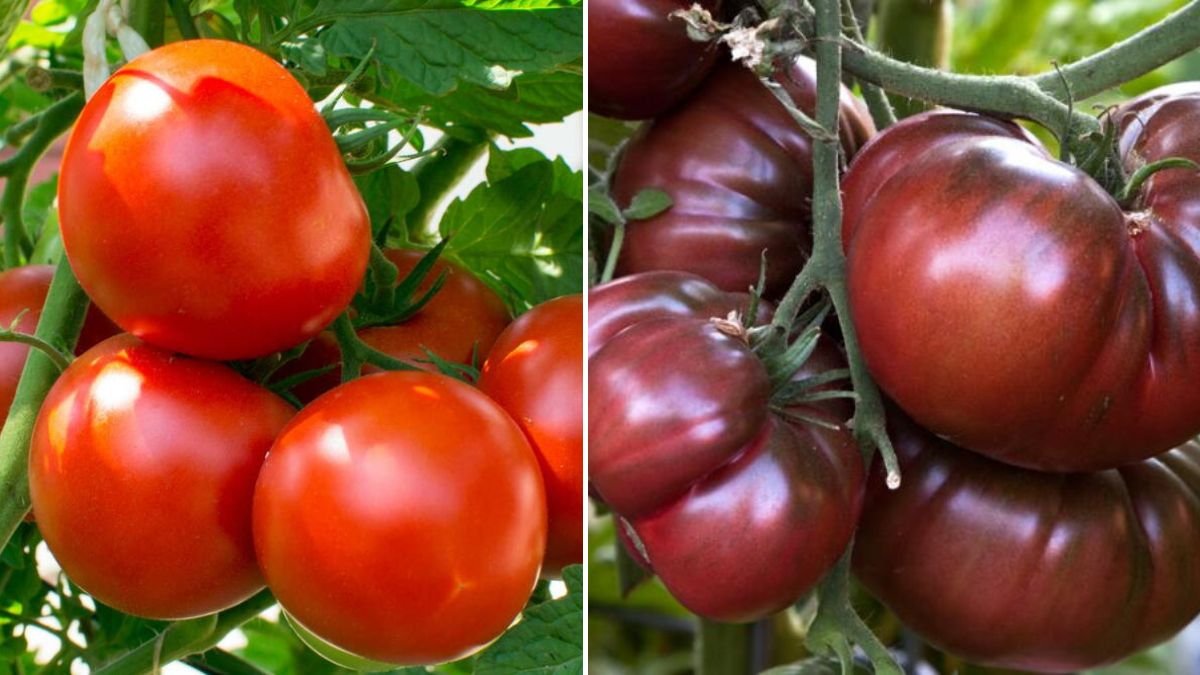
Growing tomatoes is a favorite pastime for gardeners around the world, whether in backyard gardens, balcony containers, or indoor setups. But what happens when you grow tomatoes from tomatoes themselves — using seeds extracted from the fruit you already have? Is it possible, and what should gardeners expect when attempting this age-old propagation method? In this comprehensive guide, we explore the process, potential outcomes, advantages, challenges, and tips for successful tomato propagation from fruit seeds.
🌱 The Concept: Growing Tomatoes From Tomatoes
The idea of growing tomatoes from tomatoes revolves around recycling seeds from a ripe tomato. Instead of buying commercial seed packets, gardeners extract seeds from their favorite fruit, clean them, and sow them to grow new plants. This method is popular among kitchen gardeners, sustainability enthusiasts, and hobbyists who wish to multiply their plants without extra cost. (aajtak.in)
Growing tomatoes from fruit seeds is most reliable with heirloom or open-pollinated varieties, which produce offspring true to the parent plant. Hybrid supermarket tomatoes, however, may not yield plants identical to the original fruit due to genetic variability. Understanding this distinction is key for gardeners seeking consistent fruit quality.

🍅 How It Works: Step-by-Step Process
1. Select a Ripe, Healthy Tomato
Choose a tomato that is fully ripe, unblemished, and disease-free. Overripe or damaged fruit may contain unhealthy seeds that fail to germinate. Heirloom varieties are ideal if your goal is consistency in the next generation. (aajtak.in)
2. Extract the Seeds
Slice the tomato open and scoop out the seeds along with their gelatinous coating. This coating contains natural germination inhibitors, so it’s important to ferment or rinse the seeds to remove it before planting. Proper handling at this stage ensures higher germination rates.
3. Ferment and Clean the Seeds
Many gardeners place the seeds in a jar with a small amount of water for 1-3 days, allowing fermentation. This process separates viable seeds from pulp and reduces the risk of mold or bacterial growth. After fermentation, rinse the seeds thoroughly and allow them to dry on a paper towel or plate.

4. Plant the Seeds
Sow the dried seeds in seed trays, pots, or nursery containers filled with light, well-draining germination mix. Keep the soil consistently moist but not waterlogged. Seeds typically germinate in 5-14 days, depending on temperature and seed quality.
5. Care for Seedlings
Once seedlings sprout, provide bright, indirect light and maintain moderate humidity. Transplant the seedlings into larger pots or garden beds once they develop strong roots and multiple leaves. Avoid fertilizing immediately — allow the plants to recover from transplant stress.
🌿 What Happens After Planting Tomato Seeds From Tomatoes
✔ Successful Sprouting
If seeds are viable and mature, they will germinate into healthy seedlings that develop into mature tomato plants. With proper care, these plants produce leaves, flowers, and fruit, completing the growth cycle naturally.

✔ Fruit and Flavor Variations
Seeds from supermarket hybrid tomatoes often do not reproduce true to type. While seedlings grow into plants, the resulting fruit may vary in size, color, shape, or taste. Heirloom or open-pollinated seeds, however, are more likely to produce fruit similar to the parent. (reddit.com)
✖ Risks of Mold or Rot
Planting whole tomato slices or unclean seeds can result in mold or rot, preventing germination. Always remove seeds from the pulp and ferment them before sowing to reduce these risks.
✔ Seed Saving Benefits
Growing tomatoes from your own seeds allows you to save and store seeds for future seasons, creating a self-sufficient and sustainable gardening system.

🌻 Pros and Cons of Growing Tomatoes From Tomatoes
Pros
- Cost-effective: Reduce spending on commercial seeds.
- Satisfaction: Enjoy the process of growing plants from your own fruit.
- Organic control: Ensure seeds are untreated and free from chemicals.
- Sustainability: Save seeds year after year for self-reliance. (aajtak.in)
Cons
- Unpredictable fruit traits: Hybrid seeds may produce unexpected fruit characteristics.
- Germination challenges: Poor fermentation or seed handling can reduce success.
- Time-intensive: Fermentation, cleaning, and drying take longer than planting purchased seeds.
🧠 Expert Tips for Better Results
- Use heirloom or open-pollinated tomatoes for consistent fruit characteristics.
- Ferment seeds for 1-3 days to remove germination inhibitors.
- Provide optimal germination conditions: warm soil (21-27 °C) with consistent moisture.
- Avoid planting whole fruit flesh to prevent mold and rotting seeds. (reddit.com)
🍃 Related Gardening Techniques
- Propagation via cuttings or suckers: Many gardeners grow tomatoes from stem cuttings, which root in water or soil. This produces identical plants without using seeds. (bhg.com)
- Container gardening: Ideal for small spaces, pots provide controlled soil, water, and light conditions. (navbharattimes.indiatimes.com)
- Grafting onto resilient rootstock: Advanced gardeners use grafting to grow tomatoes in challenging climates, improving disease resistance and yield. (aajtak.in)
📚 Authoritative Sources
- Aaj Tak Agriculture — Grow Tomatoes From Fruits at Home: Step-by-step seed extraction guide. (aajtak.in)
- Kisan India Tomato Plantation Guide: Tips for sowing seeds and container gardening. (kisanindia.in)
- Better Homes & Gardens — Propagating Tomatoes From Cuttings: Alternative propagation method. (bhg.com)
🌟 Conclusion
Growing tomatoes from tomatoes is a fun, sustainable, and rewarding method for home gardeners. While results may vary depending on whether the tomato is heirloom or hybrid, the process provides valuable experience, cost savings, and opportunities for seed saving. Proper fermentation, cleaning, and planting techniques maximize your chances of success, resulting in healthy plants that eventually produce fresh, juicy tomatoes.
Whether you’re a beginner or an experienced gardener, learning what happens when you grow tomatoes from tomatoes can expand your skills and create a self-sufficient, productive kitchen garden for 2026. With patience and care, the seeds from your favorite tomato today can become the abundant harvest of tomorrow.
