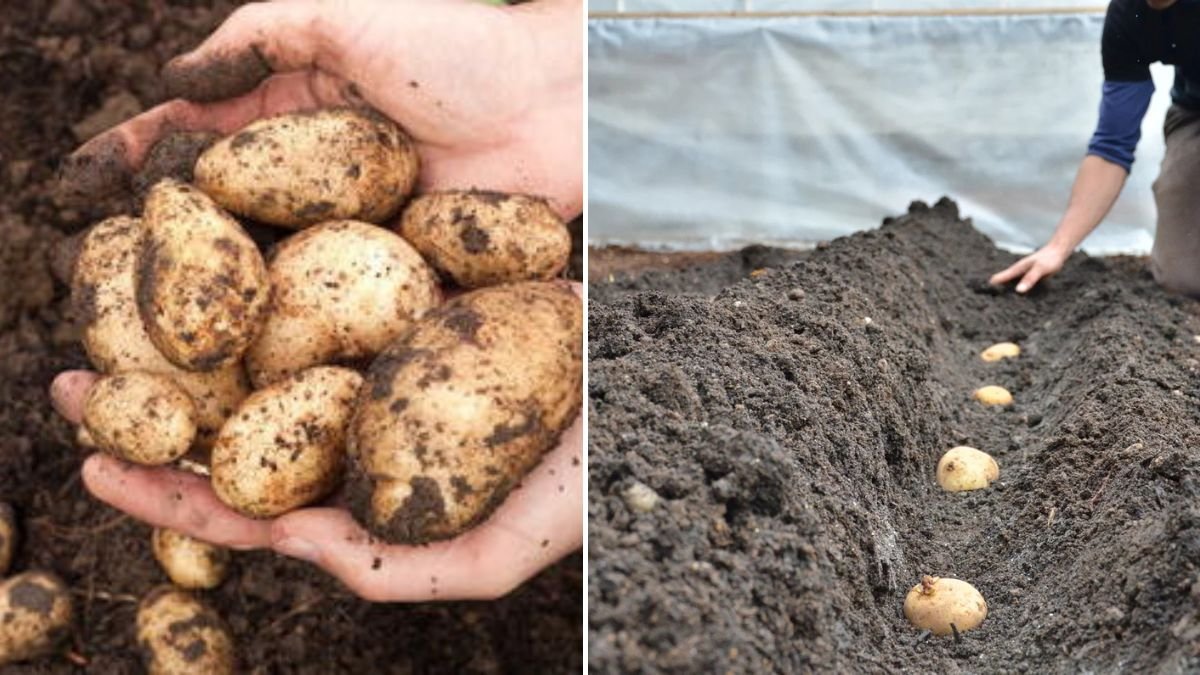
Understanding Perennial Potatoes
Most home gardeners know the potato (Solanum tuberosum) as a seasonal crop. You plant seed tubers in the spring, wait months for the plants to grow, and harvest the mature tubers in late summer or fall. After harvest, the plant dies back, and gardeners repeat the cycle. This is why potatoes are usually treated as annuals in temperate climates.
However, potatoes are botanically perennial. In their natural environment in the Andes, wild potatoes grow year after year, sprouting new growth from existing tubers. If left undisturbed in frost-free conditions, these plants could continue producing indefinitely. The annual cycle most gardeners experience is more about climate limitations than the plant’s biology.
This makes potatoes a unique crop: under the right conditions, they can behave like a perennial, offering gardeners the possibility of planting once and harvesting repeatedly.
Perennial Potato Relatives
If you are serious about a “plant once” potato, certain wild species and relatives provide clues.
Solanum brevicaule
A wild relative native to South America, Solanum brevicaule grows from perennial tubers and has contributed genetically to modern potatoes. Though not widely cultivated for food, this species demonstrates the inherent perennial traits of the potato plant. It’s hardy, survives year-round, and produces tubers continuously if left in frost-free conditions.

Coleus rotundifolius and Other Hardy Tubers
Other perennial tuber crops, such as Coleus rotundifolius, known in parts of Africa as the native potato, also produce edible tubers with perennial habits. These species don’t die back annually, allowing gardeners to enjoy a crop for multiple years from a single planting. Similarly, Jerusalem artichokes and other hardy root crops can serve as perennial alternatives in temperate climates.
While not “true potatoes,” these crops offer a similar low-maintenance, high-reward gardening experience for those interested in perennial root vegetables.
Can You Grow a True Perennial Potato?
For gardeners in mild or frost-free climates, leaving potatoes in the ground can allow the plants to regrow the next season. Gardeners in warmer regions report that tubers sprout each year without replanting, creating an effective perennial system. This approach is often referred to as a perpetual potato bed.
However, in colder climates, frost kills the above-ground potato plant, and tubers left in the soil may not survive the winter. To mimic perennial behavior in these regions, gardeners may:
- Mulch heavily to insulate tubers from frost
- Use raised beds or containers to protect from soil freezing
- Harvest selectively, leaving a few tubers in the ground to regrow next season
Even in these conditions, the plant is still vulnerable to disease and pests, so care must be taken to maintain healthy soil and prevent tuber rot.

Benefits of Perennial or Hardy Potatoes
Even if your climate requires annual planting, exploring perennial or hardy tuber crops offers several advantages:
1. Reduced Workload
Planting once and harvesting repeatedly saves labor. Perennial tubers eliminate the need for yearly soil preparation and planting, freeing time for other garden activities.
2. Improved Soil Health
Leaving tubers in the ground reduces soil disturbance, which helps maintain soil structure, improve microbial activity, and prevent erosion. Continuous root systems support a more sustainable growing environment.
3. Continuous Harvests
Perennial root crops can be harvested selectively over multiple seasons. Gardeners can pick mature tubers while leaving smaller ones to grow for future harvests, ensuring a continuous supply of food.
4. Biodiversity and Wildlife Support
Perennial crops provide cover and habitat for beneficial insects and soil organisms throughout the year. This creates a healthier ecosystem in the garden and promotes natural pest control.

Tips for Growing Perennial Potatoes
If you want to experiment with perennial or hardy potatoes, here are some practical tips:
Choose the Right Climate
Perennial behavior is easier in frost-free or mild climates. In colder regions, winter protection like mulch, raised beds, or cold frames is essential.
Selective Harvesting
Leave some tubers in the ground while harvesting mature ones. This ensures regrowth and a continuous harvest for the next season.
Mulching and Soil Protection
A thick layer of mulch protects tubers from temperature extremes and reduces moisture loss, supporting perennial growth.
Disease Prevention
Rotating crops and maintaining soil health is critical. Perennial potato beds can accumulate disease over time, so monitor for fungal infections and pests.

Experiment with Perennial Relatives
If perennial Solanum tuberosum is not feasible, consider perennial tuber relatives like Solanum brevicaule, Jerusalem artichokes, or other hardy root crops for a similar experience.
Other Perennial Root Crops to Consider
For gardeners looking to reduce planting work while enjoying consistent harvests, consider these alternatives:
- Jerusalem Artichokes – Hardy, high-yielding, and perennial. Excellent for soups and roasting.
- Asparagus – A classic perennial vegetable that produces for decades once established.
- Rhubarb and Sorrel – Leafy perennial plants that provide fresh greens or tart sauces annually.
These crops complement perennial potatoes in low-maintenance gardens and can create a continuous harvest system with minimal effort.
Challenges and Considerations
While perennial potato systems are appealing, gardeners should consider potential challenges:
- Climate Limitations: Frost can kill tubers, making perennial growth difficult in colder areas.
- Disease Accumulation: Continuous cultivation in the same spot may lead to soil-borne diseases like blight or scab.
- Declining Tuber Quality: Over multiple seasons, tubers may decrease in size or vigor without proper management.
- Maintenance: Even perennial crops require monitoring, watering, and soil enrichment for optimal growth.
Despite these challenges, perennial or hardy potato systems are still viable and rewarding in many regions.

Suggested Authoritative Sources
For more detailed information on perennial potatoes and hardy tuber crops, refer to these reliable sources:
- Potato — Wikipedia entry on Solanum tuberosum and perennial traits (en.wikipedia.org)
- Perennial Vegetables for Low-Maintenance Harvests — The Spruce gardening guide (thespruce.com)
- Solanum brevicaule — Wild perennial potato relative (en.wikipedia.org)
- Do Potatoes Come Back Every Year? — University horticultural insights (plants.ces.ncsu.edu)
Final Thoughts
While most gardeners grow potatoes as annuals, there is a real opportunity to explore perennial or hardy varieties that require planting only once. Botanically, potatoes are perennial, and with careful selection of species, frost protection, and proper management, they can mimic the “plant once, harvest forever” model.
Even if your region requires annual planting, exploring perennial relatives or other hardy tuber crops like Jerusalem artichokes, asparagus, and sorrel can reduce labor, improve soil health, and provide continuous harvests year after year. For gardeners interested in sustainable, low-maintenance, and productive gardens, the FOCUS KEYWORD concept opens the door to exciting possibilities in the world of perennial root crops.
Planting a hardy potato or perennial tuber is not just about food — it’s about creating a garden system that thrives over time, supports biodiversity, and rewards effort with abundant, long-term yields.