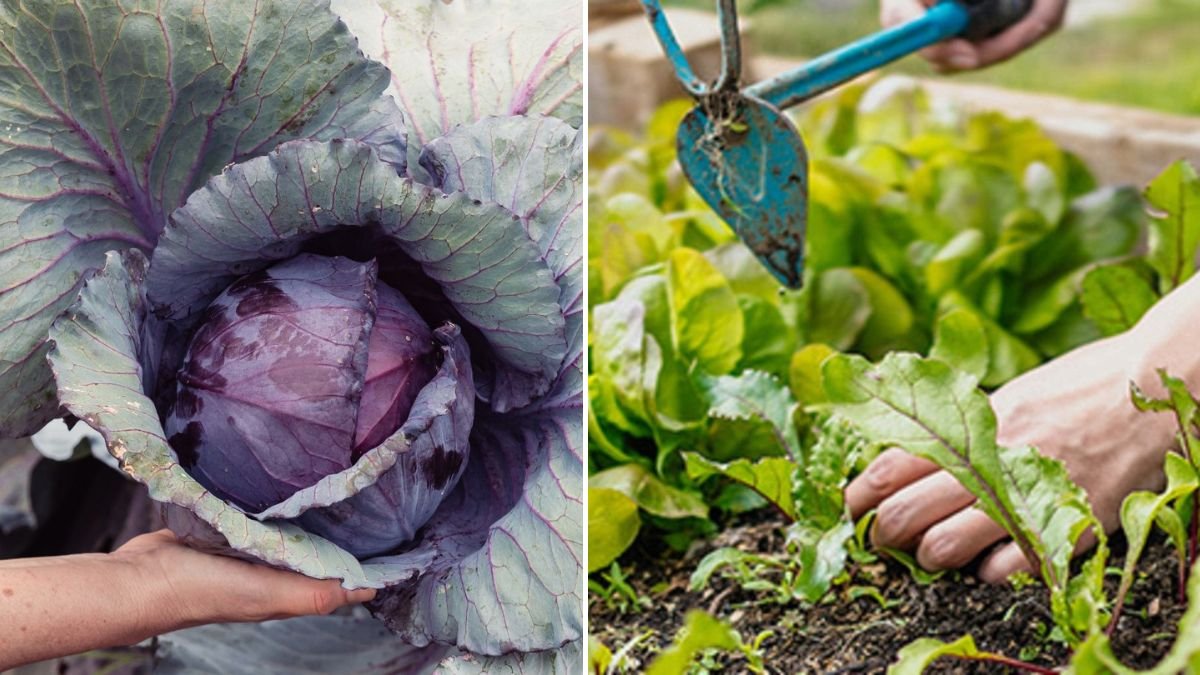
Creating a self-sufficient vegetable garden is one of the most rewarding ways to ensure year-round access to fresh, healthy produce. But to achieve a truly productive garden, choosing the right variety for every crop is crucial. The difference between a mediocre harvest and a bountiful one often comes down to selecting varieties that thrive in your climate, resist disease, and provide consistent yields.
In this guide, we explore 36 essential vegetable varieties — from roots and tubers to leafy greens, legumes, and fruiting vegetables — that are ideal for a self-sufficiency garden. By carefully selecting these varieties and following some simple growing strategies, you can create a productive, low-maintenance garden that feeds your family all year long.

Why Variety Selection Matters
Choosing the right variety is more than just picking a plant that “looks good” in the store or seed catalog. Each variety has unique characteristics that affect its growth, flavor, yield, and resilience. For example, some carrots are resistant to root fly, while others are best for storage. Certain tomato varieties thrive in containers, while others need full sun and large beds to produce fruit consistently.
Selecting the most reliable varieties is especially important for gardeners focused on self-sufficiency. Unlike decorative gardening, self-sufficient gardening prioritizes crops that provide maximum yield, longevity, and minimal intervention. This approach ensures that you always have a supply of fresh produce, even when conditions are challenging.

The concept of choosing a “#1 variety for every crop” was popularized by gardeners like Huw Richards, who focus on high-performance, practical vegetable gardening. His approach emphasizes selecting varieties based on real-world performance rather than just aesthetics or trendiness. By following this method, gardeners can maximize output while reducing effort and risk.
The 36 Best Vegetable Varieties for Self-Sufficiency
Here’s a detailed breakdown of some of the top vegetable varieties recommended for self-sufficient gardens. These selections prioritize yield, reliability, disease resistance, and versatility.

Roots & Tubers
- Potatoes — Charlotte
A high-yielding, reliable variety, Charlotte potatoes are perfect for large or small gardens. They produce consistent tubers and store well, making them a staple for self-sufficiency. - Carrots — Resistafly
This carrot variety is resistant to root fly and delivers uniform, sweet roots ideal for fresh eating or storage. Its reliability makes it a top choice for a continuous harvest. - Beetroot — Boltardy
Boltardy beetroot matures quickly and resists bolting, making it suitable for early and late-season planting. It stores well and is versatile in the kitchen. - Radishes — French Breakfast
French Breakfast radishes mature rapidly and have a mild flavor. They are ideal for succession planting, providing a fast harvest every few weeks.
Fruiting Vegetables
- Tomatoes — Black Cherry
Black Cherry tomatoes are small, sweet, and highly productive. They thrive in containers and raised beds, making them perfect for gardeners seeking flavorful fruit with minimal space. - Peppers — California Wonder
A versatile sweet pepper variety, California Wonder is reliable, productive, and easy to grow in a range of conditions. It performs well in both garden beds and pots. - Eggplant — Black Beauty
Eggplants like Black Beauty produce large, glossy fruits that tolerate heat and provide consistent yields throughout the growing season.
Leafy Greens
- Cabbage — Copenhagen Market
This traditional cabbage variety is hardy and stores exceptionally well. It is perfect for making sauerkraut or winter storage. - Kale — Lacinato
Also known as dinosaur kale, Lacinato is cold-hardy, nutrient-rich, and productive. Its deep green leaves provide continuous harvests for salads, soups, and cooking. - Lettuce — Buttercrunch
Buttercrunch lettuce grows quickly and tolerates warmer weather better than other varieties. It offers multiple harvests, making it ideal for continuous fresh greens. - Swiss Chard — Fordhook Giant
A versatile leafy green with large, flavorful leaves. Fordhook Giant produces over a long season, making it an essential crop for self-sufficiency.
Legumes
- Beans — Blue Lake Pole Beans
Reliable, high-yielding pole beans that climb vertically, saving space and providing continuous harvests throughout summer. - Peas — Green Arrow
This early-maturing pea variety delivers sweet, tender pods and thrives in cooler weather, ensuring fresh peas in spring and early summer.
Alliums
- Onions — Red Wethersfield
An heirloom variety known for flavor, storage, and disease resistance. Red Wethersfield onions store well, making them ideal for winter use. - Garlic — Hardneck or Softneck Heirloom Varieties
Heirloom garlic varieties provide robust flavor and reliable growth. They are suitable for planting in fall and harvesting in summer, perfect for long-term storage. - Leeks — King Richard or Lancelot
These hardy leeks tolerate cold and provide a steady supply throughout the winter months. Ideal for soups, stews, and long-term harvest.
Other Key Vegetables
- Corn — Golden Bantam
A sweet, reliable corn variety that produces tender kernels. Golden Bantam is ideal for small-scale home gardens and provides early-season sweet corn. - Squash & Pumpkins — Waltham Butternut / Connecticut Field
These all-purpose, storage-friendly varieties produce abundant fruit suitable for pies, soups, and long-term storage. - Cucumber — Marketmore 76
Resistant to disease and prolific, Marketmore 76 cucumbers are perfect for fresh eating or pickling. - Zucchini — Black Beauty
A fast-growing summer squash with high yields and versatile culinary uses. - Brussels Sprouts — Long Island Improved
This variety is cold-tolerant, producing compact, flavorful sprouts that store well. - Broccoli — Calabrese
Reliable and productive, Calabrese broccoli thrives in a range of conditions and delivers tender, nutrient-dense heads. - Cauliflower — Snowball Y Improved
A compact, high-yielding variety suitable for cooler climates. Produces dense, white heads perfect for fresh use or storage. - Celery — Tango
Tango celery is crisp, flavorful, and suitable for long-season growth, making it ideal for continuous harvests. - Spinach — Bloomsdale Long Standing
A hardy spinach variety that resists bolting, ensuring multiple harvests in both spring and fall. - Parsnips — Gladiator
This winter root vegetable is high-yielding and stores well, ideal for soups and roasting. - Turnips — Purple Top White Globe
A versatile root that produces both edible roots and greens. Stores well and thrives in cooler seasons. - Sweet Corn — Golden Bantam
A sweet, tender corn variety that matures early and performs well in home gardens. - Pumpkin — Waltham Butternut
Produces large, storage-friendly pumpkins ideal for cooking and long-term use. - Squash — Summer Crookneck
A prolific summer squash with tender fruit that can be harvested repeatedly throughout the season. - Tomatillo — Purple/Green Husk
Perfect for salsas and sauces. Tomatillos thrive in warm climates and provide abundant fruit. - Chili Peppers — Cayenne or Jalapeño
High-yielding, reliable peppers that can be dried, stored, or used fresh for cooking. - Okra — Clemson Spineless
A heat-tolerant crop that produces tender, edible pods for stews and frying. - Artichokes — Green Globe
Cold-hardy varieties like Green Globe provide multiple harvests over a season and store well. - Rhubarb — Victoria
Ideal for perennial crops, producing large stalks suitable for desserts, preserves, and sauces. - Asparagus — Jersey Knight
High-yielding, disease-resistant perennial crop that produces tender spears for years.
Gardening Tips for Maximum Self-Sufficiency
- Succession Planting – Stagger sowings of fast-growing crops like radishes and lettuce to maintain a continuous harvest.
- Disease Resistance & Storage – Prioritize varieties known for resilience and long storage life. This reduces losses and increases garden efficiency.
- Seed Saving – Opt for open-pollinated or heirloom varieties to save seeds for future seasons, enhancing independence.
- Companion Planting & Crop Rotation – Incorporate legumes and brassicas into rotations to improve soil fertility and prevent pest buildup naturally.
- Soil Preparation – Maintain nutrient-rich soil with compost and organic fertilizers to maximize plant health and yield.
Authoritative Sources
- Huw Richards – “My #1 Variety for Every Crop (36 Vegetables for Self-Sufficiency)” (YouTube)
- Gardening Know How – Self-Sufficient Gardening Guides (GardeningKnowHow.com)
- Grainshed Vegetable Growing Advice (Grainshed.com.au)
- Huw Richards Substack – Seed Saving and Crop Selection (Substack)
Conclusion
Growing a self-sufficient garden starts with selecting the right varieties for your climate and goals. By choosing the #1 variety for every crop, gardeners can maximize yield, improve flavor, and reduce labor. From root vegetables and leafy greens to fruiting crops and perennials, these 36 selections provide a comprehensive foundation for a productive, resilient, and sustainable garden.
With careful planning, proper soil management, and adherence to succession planting and crop rotation strategies, your garden can provide fresh, homegrown vegetables year-round — helping you achieve true food independence and self-sufficiency.
