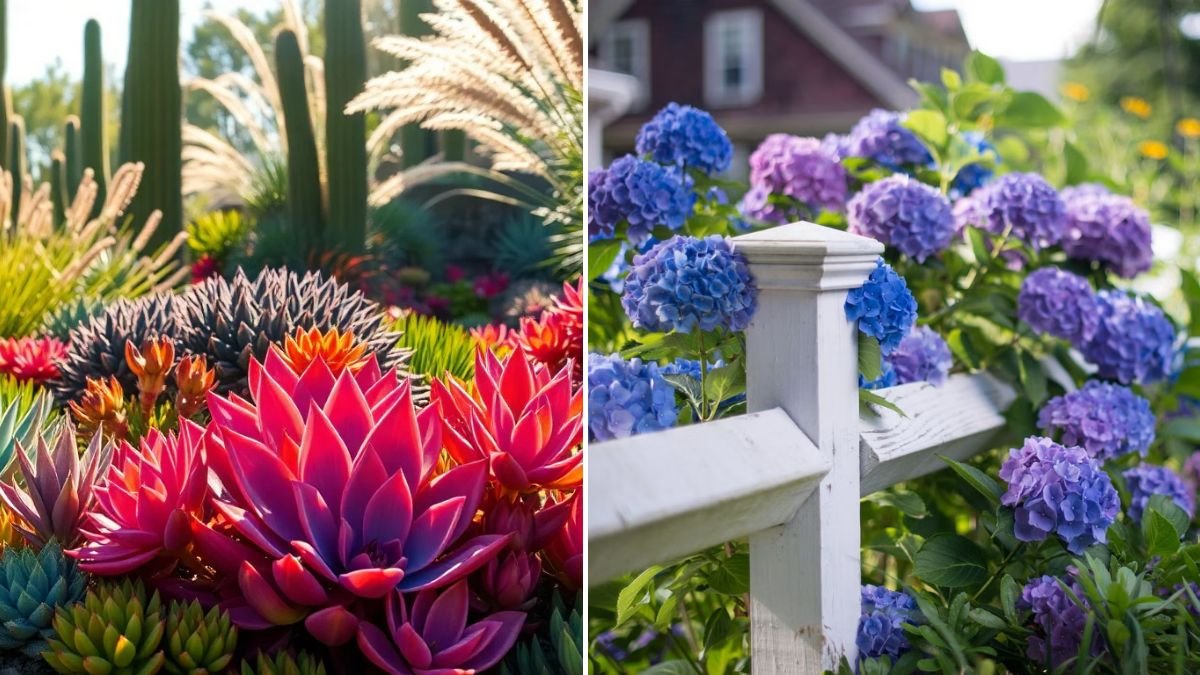
In 2026, gardeners everywhere are embracing low-water, drought-tolerant plants that combine beauty with resilience. As water scarcity and climate changes become more pressing, designing a garden with plants that survive long periods without water is not only environmentally responsible but also practical for busy gardeners. From architectural succulents to aromatic herbs and striking perennials, these plants allow you to create stunning, low-maintenance landscapes that thrive even under dry conditions.
This guide will explore beautiful plants that survive long periods without water, their care requirements, and tips for designing a garden that is both resilient and visually appealing.
Why Drought-Tolerant Plants Are Essential
Drought-tolerant plants are designed to survive with minimal watering, making them perfect for xeriscaping, rock gardens, urban balconies, and container gardening. They reduce garden maintenance, conserve water, and provide a sustainable solution for gardeners in regions prone to heat or drought.
These plants often have specialized adaptations such as succulent leaves for water storage, deep root systems, or the ability to go dormant during dry spells. Choosing drought-tolerant species does not mean sacrificing beauty — many of these plants offer vivid colors, interesting textures, and unique forms that make a garden both functional and visually engaging. (Idyl.co.in)
1. Agave (Agave spp.) — Architectural Desert Elegance
Agave plants are iconic for their sculptural rosettes of thick, fleshy leaves. These desert natives are highly drought-tolerant and can thrive on very little water once established. Agaves are perfect for xeriscapes, rock gardens, and modern desert-style landscapes.

Care Tips:
- Plant in full sun for optimal growth.
- Use well-draining soil to prevent root rot.
- Minimal watering after establishment ensures long-term survival.
Agave’s striking form adds instant drama and structure, making it a focal point in dry gardens. (Idyl.co.in)
2. Lavender (Lavandula spp.) — Fragrant and Resilient
Lavender is beloved for its fragrance, purple blooms, and silvery foliage. It thrives in dry, sunny conditions, requiring minimal irrigation once established. Lavender also attracts pollinators like bees and butterflies, adding life to any garden. Popular varieties such as Lavandula ‘Hidcote’ and Lavandula ‘Munstead’ are particularly hardy.
Design Tip:
Plant lavender along pathways or in container gardens for a Mediterranean-inspired look that also benefits from low-water maintenance. (Idyl.co.in)
3. Russian Sage (Perovskia atriplicifolia) — Airy and Textured
Russian Sage is a tall perennial with airy spires of lavender-blue flowers and silvery foliage. It thrives in full sun and dry soil, tolerating extended drought periods with minimal care. This plant is ideal for adding height and texture to a low-water garden.

Planting Tip:
Group several plants together for maximum visual impact. Their silvery stems and delicate flowers create a soft, flowing look that contrasts beautifully with more rigid succulents or cacti. (GrowArber.com)
4. Sedum / Stonecrop (Sedum spp.) — Versatile Groundcover
Sedums, or stonecrops, are fleshy, water-storing succulents that thrive in poor soil and dry conditions. They are perfect as groundcovers, rock garden accents, or container plants. Sedums come in a wide range of shapes, sizes, and colors, making them versatile for creative landscaping.
Tips for Success:
- Plant in full sun or partial shade.
- Combine with ornamental grasses or low-water perennials for variety. (GrowArber.com)
5. Cacti & Succulents — The Ultimate Drought Survivors
Cacti and other succulents are classic examples of plants that thrive on minimal water. They store moisture in thick stems or leaves and can survive long dry spells. Popular choices include:
- Barrel cacti
- Prickly pear (Opuntia)
- Frithia pulchra, a small succulent that retracts into soil during drought (Wikipedia)
Care Tip:
Allow soil to dry completely before watering and provide bright sunlight for best growth. Many succulents also do well indoors in containers, making them versatile decorative plants.

6. Kalanchoe daigremontiana — Unique and Hardy
Also called mother-of-thousands, this succulent produces numerous small plantlets along its leaf edges. Kalanchoe daigremontiana can withstand long dry periods, making it ideal for sunny patios, balconies, and rock gardens. Its unusual foliage adds visual interest to any collection of low-water plants.
Care Tip:
Provide bright light and let soil dry completely between waterings. Avoid overwatering to prevent rot. (Wikipedia)
7. Resurrection Fern (Pleopeltis polypodioides) — Nature’s Wonder
The resurrection fern can appear completely dried out during drought, only to spring back to life after rainfall or watering. Its curling fronds provide unique texture and visual intrigue. Resurrection ferns can be mounted on rocks, walls, or tree trunks, adding a dramatic touch to shaded, low-water gardens. (Wikipedia)
8. Yarrow (Achillea millefolium) — Colorful and Resilient
Yarrow is a tough perennial with clusters of flowers in yellow, pink, or red. It tolerates dry conditions and poor soil, making it an excellent choice for xeriscaping or cottage gardens. Yarrow also attracts beneficial insects, supporting pollination and natural pest control.
Planting Tip:
Use yarrow in combination with grasses or other drought-tolerant perennials for texture and color variation. (GrowArber.com)

9. Oleander (Nerium oleander) — Evergreen Flowering Shrub
Oleander is an evergreen shrub with clusters of pink, red, or white flowers. It thrives in hot, dry climates and requires minimal water once established. While toxic if ingested, oleander is a low-maintenance option for ornamental hedges or border plantings. (PariWorld.in)
10. Periwinkle / Vinca (Catharanthus roseus) — Long-Blooming and Drought-Tolerant
Periwinkle, or Sadabahar, produces vibrant pink, white, or purple flowers year-round in warm climates. It thrives with minimal water and grows well in sunny borders, containers, or mixed plantings, making it a reliable and colorful option for low-water gardens. (PariWorld.in)
Designing a Garden with Low-Water Plants
Tips for Success:
- Choose sunny locations: Most drought-tolerant plants thrive in full sun.
- Use well-draining soil: Incorporate sand or gravel to improve drainage for succulents and cacti.
- Group plants by water needs: Apply xeriscaping principles for efficiency.
- Use containers and rock gardens: Great for succulents and small perennials.
- Include pollinator-friendly species: Plants like lavender, yarrow, and Russian sage attract beneficial insects. (GrowArber.com)
By thoughtfully combining these plants, you can create a low-maintenance, water-efficient garden that is visually striking and environmentally sustainable.
Authoritative Sources
- Ornamental Plants That Require Little Water — Idyl
- 15 Best Drought-Tolerant Plants — Grow Arber
- Low-Water Drought-Tolerant Plants for Indian Homes — PariWorld
- Frithia pulchra — Wikipedia
- Kalanchoe daigremontiana — Wikipedia
- Resurrection Fern — Wikipedia
Conclusion
Beautiful, drought-tolerant plants prove that low water requirements don’t mean low beauty. From agave’s dramatic rosettes and lavender’s fragrant blooms to resurrection ferns and resilient succulents, these species offer texture, color, and visual interest for gardens in any climate.

By selecting the right plants, grouping them according to water needs, and providing well-draining soil, gardeners can create stunning, sustainable, and low-maintenance landscapes that thrive through long dry spells. These plants are perfect for anyone seeking to conserve water while keeping their garden lush, vibrant, and alive all year round.