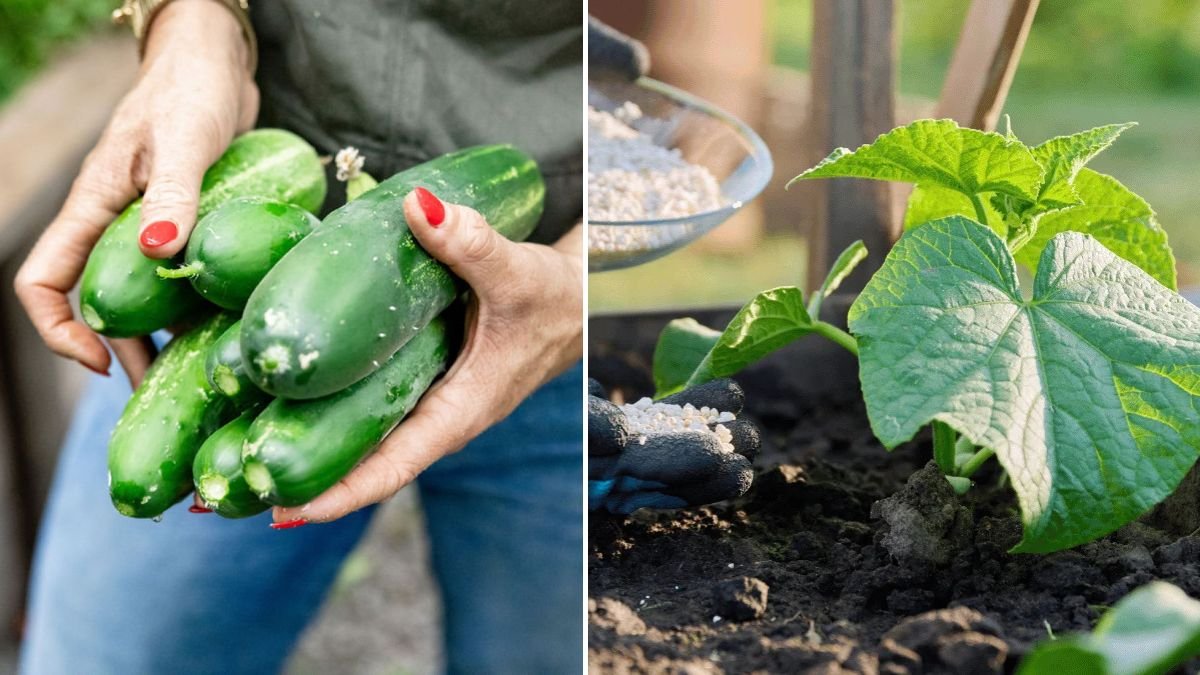
🌿 Why Organic Fertilizers Matter
Organic fertilizers nourish your plants without relying on synthetic chemicals, which makes them ideal for sustainable home gardening. They improve soil structure, encourage beneficial microorganisms, and provide a slow release of nutrients that helps vegetables grow steadily. Cucumbers, onions, and tomatoes are particularly responsive to nutrient-rich soil, and organic fertilizers help prevent common issues like blossom-end rot in tomatoes or poor bulb formation in onions. (libanswers.nybg.org)
Home-made organic fertilizers are also cost-effective, reduce garden waste, and let gardeners control exactly what goes into the soil. Using ingredients from your kitchen or garden ensures that plants receive natural, balanced nutrition while supporting soil health.

🥕 Preparing Your Garden Before Fertilizing
Before applying any fertilizer, even organic, it’s important to prepare your garden:
- Assess soil health: Check for well-draining soil with a good base of compost or organic matter. Healthy soil supports root growth and nutrient uptake. (updatenewsinfo.com)
- Identify plant stages: Fertilize during early growth, flowering, and fruit set to meet the plants’ nutrient demands.
- Balance nutrients: Cucumbers and tomatoes thrive with adequate phosphorus (P) and potassium (K) for flowering and fruiting, but not excessive nitrogen, which can lead to leaf-heavy growth at the expense of fruit. (libanswers.nybg.org)
With the soil ready and your vegetables actively growing, you’re set to create a fertilizer that feeds the plants naturally and effectively.

🧪 DIY Organic Fertilizer Recipe
This simple organic fertilizer recipe for cucumbers, onions, and tomatoes uses kitchen scraps and natural boosters to deliver the nutrients your vegetables need:
Ingredients
- Banana peels: Rich in potassium for flower and fruit development. (rasnetwork.org)
- Crushed eggshells: Provide calcium to strengthen cell walls and reduce blossom-end rot.
- Epsom salt (optional): Supplies magnesium and sulfur to improve chlorophyll production and nutrient uptake. (greenstories.co.in)
- Active dry yeast + sugar: Boosts microbial activity and promotes early root vigor. (secretsofthegreengarden.com)
- Warm water (1–2 liters)
Step-by-Step Instructions
- Prepare the Base: Chop banana peels into small pieces and place them in a jar or bucket. Add crushed eggshells (around 1/4 cup).
- Activate Microbes: Dissolve 1 tablespoon of dry yeast and 1 tablespoon of sugar in 1 liter of warm water. Let it sit for 30 minutes. This fermentation step stimulates beneficial microorganisms.
- Combine & Steep: Pour the yeast mixture over the banana peels and eggshells. Add water if needed to keep the materials submerged. Cover and let the mixture steep for 3–5 days at room temperature.
- Strain & Dilute: Strain the liquid into a watering can. Optional: dissolve 1 tablespoon of Epsom salt for magnesium and sulfur enrichment.
- Apply to Soil: Water your cucumbers, tomatoes, and onions at the base of the plants every 2–3 weeks. Avoid wetting the foliage to prevent leaf diseases. (secretsofthegreengarden.com)
🍅 How This Fertilizer Works
Each ingredient contributes to plant health in unique ways:

- Potassium (banana peels): Supports flowering and fruiting.
- Calcium (eggshells): Strengthens cell walls and prevents blossom-end rot. (rasnetwork.org)
- Magnesium & sulfur (Epsom salt): Improves chlorophyll and nutrient absorption. (greenstories.co.in)
- Beneficial microbes (yeast fermentation): Enhance soil biology and root efficiency, allowing better nutrient uptake. (secretsofthegreengarden.com)
This combination not only provides immediate nutrients but also supports long-term soil fertility, improving your garden’s health season after season.
🌿 Tips for Safe and Effective Use
- Apply in the morning or late afternoon to maximize nutrient absorption and avoid heat stress.
- Avoid over-application, even with organic fertilizers, to prevent nutrient imbalance.
- Water soil first, then apply fertilizer to improve absorption. (rasnetwork.org)
- Supplement with compost: Layer compost into the soil in spring for foundational nutrients. (updatenewsinfo.com)
🌾 When to Fertilize
- At planting: Supports young roots.
- Pre-flowering: Stimulates flower initiation in cucumbers and tomatoes.
- Fruit set: Supports fruit growth and size.
- For onions: Apply lightly during early leaf growth; excessive nitrogen later can inhibit bulb formation. (rasnetwork.org)
📚 Authoritative Sources
- NYBG Mertz Library – Fertilizer Tips for Vegetables: Guidance for cucumbers, tomatoes, and onions. (libanswers.nybg.org)
- RASNetwork – Homemade & Organic Fertilizers: Recipes and nutrient explanations. (rasnetwork.org)
- GreenStories.co.in – Liquid Organic Fertilizers: Kitchen-based fertilizers for vegetable gardens. (greenstories.co.in)
- AgriFarming – Homemade Fertilizer for Cucumbers: Easy, cost-effective recipes. (agrifarming.in)
🌟 Conclusion
Creating a simple organic fertilizer for cucumbers, onions, and tomatoes is an excellent way to provide natural nutrition to your garden. This recipe uses ingredients from your kitchen and garden, making it affordable, sustainable, and effective. By improving soil fertility, stimulating microbial activity, and supplying key nutrients like potassium, calcium, and magnesium, this fertilizer helps your vegetables grow strong, healthy, and productive.
Whether you are a beginner or an experienced gardener, this DIY organic fertilizer allows you to maximize harvests, reduce dependency on commercial products, and enhance your garden’s long-term health. Start using it in your 2026 garden and enjoy vibrant, nutrient-rich cucumbers, onions, and tomatoes.