Hydrangeas are beloved garden staples for their lush blooms and vibrant colors, but gardeners in colder climates often worry about whether these beauties can survive freezing winters. The good news is that not all hydrangeas are delicate—some varieties are hardy enough to withstand harsh winter conditions, providing reliable blooms year after year even in colder zones.
Understanding which hydrangea types are cold-tolerant, how to care for them through the winter, and selecting the right planting locations are key to creating a thriving, winter-resilient hydrangea garden. This guide will explore the most winter-hardy hydrangeas, their care requirements, and tips to ensure they flourish despite frost and snow.
Why Some Hydrangeas Struggle in Winter
Hydrangeas are native to various climates, from tropical regions to temperate zones, which affects their ability to survive cold temperatures. Cold-sensitive hydrangeas can experience:
- Frost damage – Blooms, buds, and stems can die back in freezing temperatures.
- Root stress – Poorly insulated soil can freeze, damaging roots.
- Delayed or reduced flowering – Winter damage may prevent buds from forming for the next season.
Knowing which varieties are hardy and how to protect them ensures your garden remains colorful and resilient even in harsh winters.

Cold-Hardy Hydrangea Varieties
Here are some hydrangea types known for their ability to survive cold winters:
1. Hydrangea arborescens (Smooth Hydrangea)
- Hardiness Zones: 3–9
- Bloom Colors: White, sometimes pink
- Growth Habit: Bushy, 3–5 feet tall
- Highlights: Smooth hydrangeas are extremely cold-tolerant and can survive deep freezes. The popular cultivar ‘Annabelle’ produces large, globe-shaped white blooms and can handle harsh conditions with minimal protection.
Care Tips: Plant in well-draining soil, water consistently, and prune in late winter or early spring before new growth begins.
2. Hydrangea paniculata (Panicle Hydrangea)
- Hardiness Zones: 3–8
- Bloom Colors: White, pink, green, or cream, often changing with age
- Growth Habit: Upright, 4–8 feet tall
- Highlights: Panicle hydrangeas are among the most frost-tolerant varieties, producing large cone-shaped flower clusters. Cultivars like ‘Limelight’ and ‘PeeGee’ are particularly winter-hardy.
Care Tips: Full sun to partial shade works best, and these shrubs tolerate pruning well, making them ideal for shaping and maintaining structure in winter.
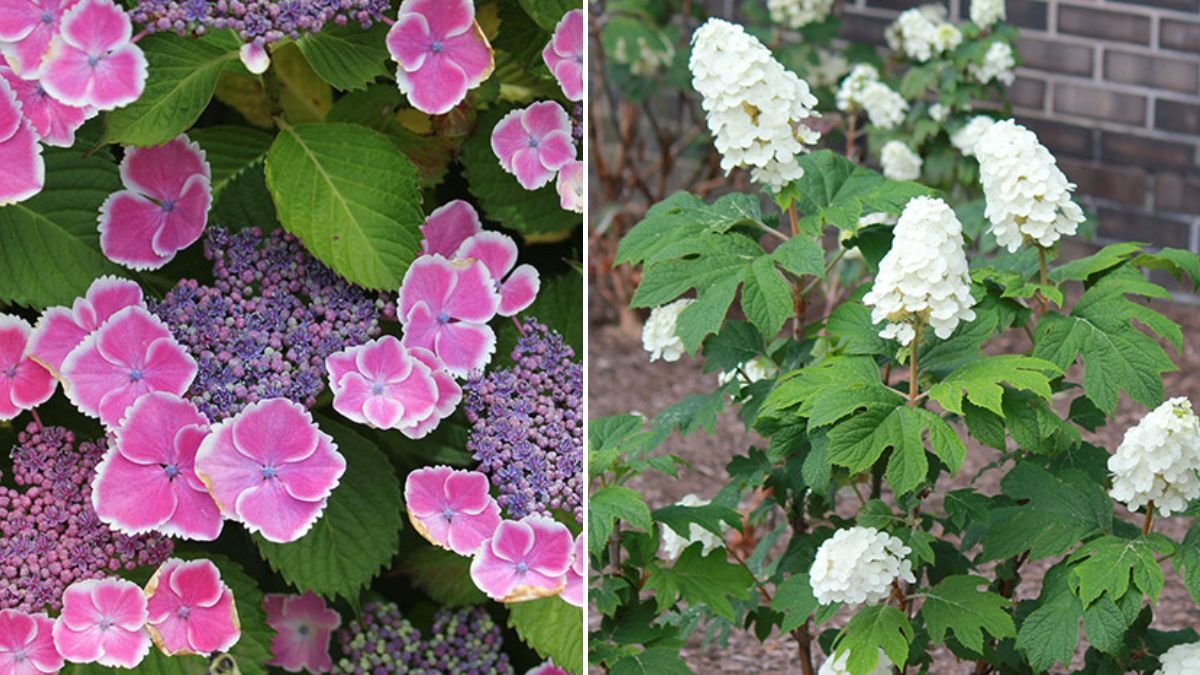
3. Hydrangea quercifolia (Oakleaf Hydrangea)
- Hardiness Zones: 5–9
- Bloom Colors: White to pink, often fading to deep purple
- Growth Habit: Multi-stemmed, 4–6 feet tall, with distinct oak-shaped leaves
- Highlights: Oakleaf hydrangeas are resilient in cold weather, with woody stems that provide structure and foliage that changes color in fall.
Care Tips: Plant in partial shade with rich, well-draining soil. Mulching in late fall helps protect the roots from extreme cold.

4. Hydrangea macrophylla (Bigleaf Hydrangea – Select Hardy Varieties)
- Hardiness Zones: 5–7 (some varieties hardy to Zone 4 with winter protection)
- Bloom Colors: Blue, pink, purple, red, or white depending on soil pH
- Growth Habit: Rounded, 3–6 feet tall
- Highlights: Bigleaf hydrangeas are sensitive to extreme cold, but cultivars like ‘Nikko Blue’ or ‘Endless Summer’ can survive colder winters with proper care and mulching.
Care Tips: Plant in sheltered spots with morning sun and afternoon shade. Protect buds with mulch or burlap if temperatures drop below -10°F (-23°C).
Winter Care Tips for Cold-Hardy Hydrangeas
Even hardy hydrangeas benefit from proper winter preparation:
- Mulch the Base: Apply 3–4 inches of mulch around the base of the plant to insulate roots and moderate soil temperature.
- Prune Wisely: Avoid heavy pruning in late fall; prune after the risk of frost passes to prevent damage to buds.
- Watering: Water thoroughly before the ground freezes. Hydrated plants are more resilient to cold damage.
- Wind Protection: Shelter hydrangeas from harsh winds using garden screens or burlap wraps.
- Avoid Fertilizing Late in Season: Fertilizing late in fall can encourage new growth that is susceptible to frost damage.
By combining these practices with winter-hardy varieties, your hydrangeas will have the best chance of surviving freezing temperatures.
Planting Strategies for Cold Climates
To maximize winter survival, consider the following:

- Location: Choose a spot with morning sun and afternoon shade. Avoid low-lying areas prone to frost pockets.
- Soil Preparation: Ensure well-drained soil to prevent waterlogging, which can freeze and damage roots.
- Group Plantings: Plant hydrangeas near other shrubs or along walls to provide additional wind protection.
- Container Planting: In very cold areas, consider growing hydrangeas in large containers that can be moved to sheltered locations during winter.
Proper placement helps protect buds and stems, ensuring your shrubs bloom beautifully in spring.
Hydrangea Bloom Timing and Winter Impact
Hydrangeas bloom on either old wood or new wood, which affects how cold weather impacts flowering:
- Old-Wood Bloomers: Hydrangea macrophylla blooms on last year’s growth. Protect flower buds during winter to ensure blooms next year.
- New-Wood Bloomers: Hydrangea paniculata and arborescens bloom on new growth. These varieties are generally more reliable in cold climates because even if stems die back, new growth will produce flowers.
Understanding bloom timing allows gardeners to select hydrangeas suited for their climate and winter conditions.
Why Choose Cold-Hardy Hydrangeas?
Cold-hardy hydrangeas offer several benefits:

- Reliable Blooms: They flower consistently even after harsh winters.
- Low Maintenance: Less worry about frost damage reduces pruning and protective efforts.
- Versatility: Many hardy varieties adapt to a range of soils and light conditions.
- Long-Lasting Beauty: Cold-resistant hydrangeas provide color and structure year after year, even in regions with long, snowy winters.
With the right variety and care, gardeners in cold climates can enjoy hydrangeas just as much as those in milder zones.
Companion Plants for Winter-Hardy Hydrangeas
Pairing hydrangeas with other cold-tolerant plants can enhance garden structure and beauty:
- Evergreen shrubs: Boxwood or holly provide winter interest.
- Perennials: Hostas or ferns add texture and foliage contrast.
- Bulbs: Tulips and daffodils bloom in early spring, complementing emerging hydrangea flowers.
Strategic companion planting supports a vibrant, multi-season garden while protecting sensitive hydrangea stems from extreme exposure.
Final Thoughts
Hydrangeas are no longer just a warm-climate plant. With the right varieties and care, they can thrive in cold winter temperatures, bringing color and elegance to northern gardens. Smooth hydrangeas, panicle hydrangeas, oakleaf hydrangeas, and selected bigleaf cultivars offer resilience, beauty, and reliable flowering even after frost and snow.

By selecting hardy types, planting strategically, and following winter care practices—like mulching, pruning, and providing wind protection—gardeners can enjoy vibrant, long-lasting blooms season after season, regardless of cold weather. For anyone in a colder region, these hydrangeas prove that freezing winters don’t have to mean a colorless garden.