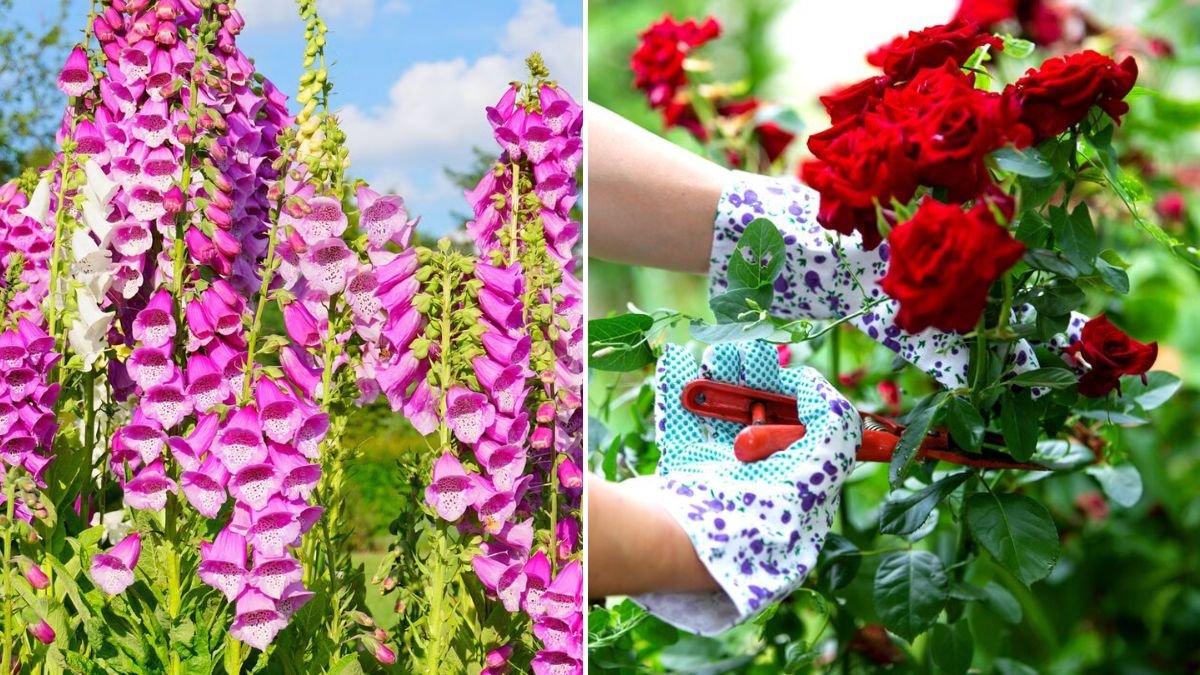
Flowers are often celebrated for their beauty, fragrance, and ability to attract pollinators, but not all blooms are as harmless as they appear. Some plants, despite their delicate petals and charming colors, can pose risks to gardeners, pets, and even children. Recently, gardening experts have issued warnings about certain seemingly innocent flowers, advising that gardeners don’t be distracted by their beauty and pay attention to potential hazards.
This article explores the hidden dangers of certain ornamental flowers, why they can be harmful, and how to enjoy a vibrant garden safely without compromising health or safety.
The Allure of Dangerous Flowers
Gardeners are naturally drawn to flowers with vibrant colors, intricate shapes, and intoxicating scents. It’s easy to assume that something so beautiful is harmless. Unfortunately, appearances can be deceiving. Some common garden flowers contain toxins, irritants, or allergens that may cause reactions ranging from mild discomfort to serious health issues.
Even experienced gardeners can underestimate these risks. The warning isn’t about avoiding flowers entirely—it’s about awareness, preparation, and safe gardening practices.

Why Some Flowers Are Risky
The potential dangers of certain flowers stem from:
- Toxic Compounds – Some flowers contain chemicals that are poisonous if ingested by humans or pets.
- Allergenic Pollen – Pollen can trigger allergic reactions in sensitive individuals.
- Skin Irritants – Some plant sap can cause rashes, itching, or blistering upon contact.
- Invasive Growth – Certain flowers may spread aggressively, crowding out other plants or damaging local ecosystems.
Understanding these risks allows gardeners to make informed choices about what to plant, how to handle it, and where to position it in the garden.
Examples of Beautiful but Hazardous Flowers
Here are some commonly grown flowers that may appear harmless but deserve caution:
1. Foxglove (Digitalis purpurea)
- Description: Tall spikes with bell-shaped purple, pink, or white flowers.
- Risk: Contains digitalis, which is highly toxic if ingested, affecting heart function.
- Precaution: Wear gloves when handling, and keep away from children and pets.
2. Oleander (Nerium oleander)
- Description: Evergreen shrub with clusters of pink, red, or white flowers.
- Risk: Every part of the plant is toxic, causing nausea, heart problems, or even death if ingested.
- Precaution: Avoid planting in areas accessible to pets or small children; always wash hands after contact.
3. Lily of the Valley (Convallaria majalis)
- Description: Small, fragrant white bell-shaped flowers.
- Risk: Highly toxic if ingested; can cause vomiting, abdominal pain, and heart irregularities.
- Precaution: Plant away from play areas and educate family members about its dangers.
4. Daffodils (Narcissus spp.)
- Description: Bright yellow or white trumpet-shaped blooms.
- Risk: Bulbs contain lycorine, which can cause vomiting and diarrhea if ingested.
- Precaution: Use gloves when planting or handling bulbs, and avoid planting where pets dig.
5. Hydrangea (Hydrangea spp.)
- Description: Large clusters of pink, blue, or white flowers.
- Risk: Leaves and buds contain cyanogenic glycosides, which can release cyanide when ingested.
- Precaution: Keep children and pets from chewing on leaves or flowers.
These examples highlight how toxicity is not always obvious, and gardeners need to be proactive about safety.

How to Garden Safely Around Potentially Dangerous Flowers
Even if a flower has toxic or irritating properties, it doesn’t mean it should be avoided entirely. There are practical strategies to enjoy beauty while minimizing risk:
- Research Plants Before Planting – Learn about toxicity, allergen levels, and care requirements.
- Use Protective Gear – Gloves, long sleeves, and eyewear can prevent irritation from sap or pollen.
- Educate Family Members – Teach children not to eat plants and inform pets’ caretakers about toxic species.
- Strategic Placement – Position hazardous plants away from high-traffic areas, play zones, or patios.
- Label Plants – Mark plants with caution signs to prevent accidental contact.
- Supervise Pets and Kids – Monitor outdoor activity around potentially dangerous blooms.
By taking precautions, gardeners can enjoy vibrant, diverse gardens without compromising safety.
Why These Warnings Are Important
Many gardeners are unaware of the risks associated with certain ornamental flowers. A few reasons why warnings are crucial include:
- Preventing Accidental Poisoning – Even small amounts of some plant toxins can cause serious health issues.
- Reducing Allergic Reactions – Proper placement and handling can minimize pollen exposure.
- Encouraging Responsible Gardening – Knowledgeable gardeners make safer choices for themselves, their families, and the environment.
- Protecting Pets – Dogs and cats are especially prone to nibbling plants, so awareness is critical.
Ignoring these warnings can lead to hospital visits, costly treatments, and preventable emergencies.

Alternatives to Hazardous Flowers
If you want a beautiful garden without the associated risks, consider non-toxic or low-risk alternatives:
- Marigolds (Tagetes) – Vibrant, pest-repellent, and safe for pets.
- Sunflowers (Helianthus annuus) – Tall, cheerful blooms with edible seeds.
- Snapdragons (Antirrhinum) – Colorful spikes that are non-toxic and easy to grow.
- Roses (Rosa spp.) – Classic blooms with minimal toxicity if thorns are handled carefully.
- Zinnias (Zinnia spp.) – Long-lasting, vibrant flowers ideal for borders and containers.
These plants offer color, texture, and seasonal interest without the hidden dangers of more toxic species.
Tips for Managing a Garden with Potentially Toxic Flowers
- Regularly Inspect Your Plants – Remove fallen petals or leaves that children or pets might ingest.
- Teach Garden Safety Rules – Make gardening a learning opportunity about respecting plants.
- Emergency Preparedness – Keep poison control numbers handy in case of accidental ingestion.
- Combine Safety with Beauty – Use containers or barriers to create visually appealing yet safe garden layouts.
- Mind Seasonal Changes – Some flowers are more toxic or allergenic during bloom or when leaves decay.
By combining knowledge, planning, and practical safety measures, gardens can be both stunning and secure.
Final Thoughts
Gardening is often associated with tranquility, beauty, and connection to nature. But even the most attractive flowers can carry hidden risks. Gardeners are reminded not to be distracted solely by a flower’s aesthetic appeal. Flowers like foxgloves, oleander, lilies, and daffodils are breathtaking yet require caution to prevent harm to humans and pets.

The key is education and preparation. By understanding which plants are potentially hazardous, planting them strategically, and using proper protective measures, gardeners can enjoy safe, vibrant, and thriving gardens. Beauty doesn’t have to come at the cost of safety—awareness is the ultimate tool for responsible gardening.
Whether you’re a novice or an experienced gardener, always remember: look beyond the petals and plan for safety. Your garden can remain colorful, fragrant, and enchanting without unnecessary risks.