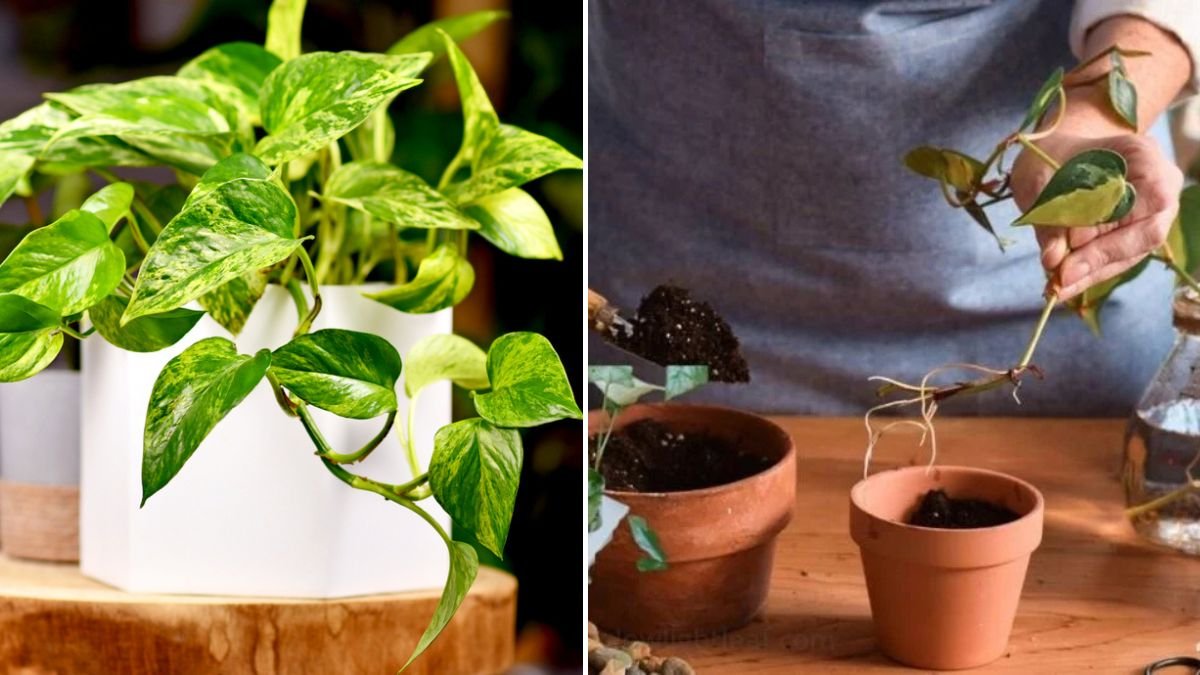
Pothos, also known as Epipremnum aureum, is one of the most popular houseplants worldwide—and for good reason. Its heart-shaped leaves, trailing vines, and ability to thrive in a variety of conditions make it perfect for beginners and experienced plant lovers alike. Whether you want a cascading display from a hanging basket or a low-maintenance desk plant, pothos can adapt to almost any space.
Garden experts and indoor plant enthusiasts have shared multiple strategies to help pothos grow faster, healthier, and more vibrantly. Here are 12 quick and easy ways to grow pothos that will help your plant thrive while adding beauty and greenery to your home.
1. Choose the Right Light
Pothos is famously low-maintenance, but light still matters. While it can tolerate low-light conditions, it grows faster and develops more vibrant leaves when placed in bright, indirect light. Avoid direct sunlight, which can scorch the leaves, but aim for a spot near a window with filtered light.
Variegated pothos varieties, like Golden Pothos or Marble Queen, need slightly more light to maintain their distinctive leaf patterns. Rotating the plant every few weeks also ensures all sides receive equal light for balanced growth.

2. Use Well-Draining Soil
Pothos prefers soil that holds moisture without becoming soggy. A high-quality potting mix with good drainage is ideal. You can also mix standard potting soil with perlite or orchid bark to improve aeration. Well-draining soil prevents root rot and encourages healthy, rapid growth.
3. Water Properly
Overwatering is one of the most common mistakes with pothos. Allow the top inch of soil to dry out before watering again. During the growing season (spring and summer), pothos may need more frequent watering, but in winter, reduce the frequency. Proper watering helps maintain healthy roots and prevents yellowing leaves.
4. Fertilize for Growth
Pothos are not heavy feeders, but regular fertilization encourages lush vines and vibrant leaves. Use a balanced, water-soluble fertilizer every 4–6 weeks during the growing season. Too much fertilizer can burn roots, so dilute according to package instructions. Organic options like liquid seaweed or fish emulsion are also effective.
5. Prune Regularly
Pruning helps pothos stay full and prevents legginess. Trim long vines back to encourage bushier growth, and remove yellow or damaged leaves. You can also propagate the cuttings in water or soil, giving you new plants for other parts of your home.

6. Propagate with Ease
Pothos is incredibly easy to propagate. Simply cut a vine below a node (where the leaf meets the stem) and place it in water or moist soil. Roots usually develop within 2–4 weeks. Propagation not only multiplies your plants but also promotes bushier growth on the parent plant.
7. Maintain Optimal Humidity
Pothos thrives in average household humidity but grows faster in slightly higher moisture. Mist the leaves occasionally, group plants together, or place a tray of water nearby to boost humidity. Tropical varieties especially benefit from this extra moisture.
8. Keep Leaves Clean
Dusty leaves can hinder photosynthesis, slowing growth. Wipe your pothos leaves gently with a damp cloth or spray lightly with water. This not only helps the plant absorb light more efficiently but also keeps it looking glossy and vibrant.
9. Support Vertical Growth
If you want a cascading effect or vines climbing walls, poles, or trellises, provide support. Pothos naturally trails, but using moss poles or trellises encourages upward growth and keeps vines tangle-free. Vertical growth also enhances the overall aesthetic of your indoor garden.

10. Repot When Necessary
Pothos grows quickly and may outgrow its pot. Repot every 12–18 months or when roots begin to circle the pot. Choose a container slightly larger than the current one, and refresh the soil to provide more nutrients. This simple step encourages stronger root systems and longer vines.
11. Monitor for Pests
While pothos are relatively pest-resistant, they can occasionally attract mealybugs, spider mites, or aphids. Inspect leaves regularly and treat infestations promptly using insecticidal soap or neem oil. Healthy, pest-free plants grow faster and develop stronger foliage.
12. Experiment with Water and Hydroponics
Pothos grows well in both soil and water. Growing pothos in water allows for easy monitoring of roots and can be a stylish indoor feature. Change the water every 2–3 weeks and provide a small dose of liquid fertilizer. Hydroponic pothos often develops longer vines faster, making it a fun and decorative option.
Bonus Tips for Thriving Pothos
- Rotate regularly to ensure even growth and prevent vines from leaning toward light sources.
- Combine with other plants in hanging baskets or on shelves to create layered greenery.
- Use decorative containers that complement your home décor while ensuring proper drainage.
- Keep an eye on temperature: Pothos prefers 60–85°F. Protect it from drafts and sudden temperature drops.
Why Pothos Is Perfect for Any Home
Pothos is not just attractive—it’s functional. It improves indoor air quality, removes toxins, and can thrive in a variety of environments. Its fast growth and resilience make it perfect for beginners, while experienced plant owners appreciate its adaptability and propagation potential.

With the 12 tips above, your pothos can grow fuller, bushier, and more vibrant, transforming your space into a lush indoor oasis. From hanging baskets to desk corners and bookshelves, pothos brings life and greenery wherever it’s placed.
Final Thoughts
Growing pothos doesn’t have to be complicated. By providing the right light, soil, and care, along with simple techniques like pruning, propagation, and proper watering, you can enjoy a thriving, beautiful plant year-round. Its trailing vines and glossy leaves make pothos a versatile plant for any home, and following these 12 strategies ensures your plant will stay healthy, vibrant, and abundant.