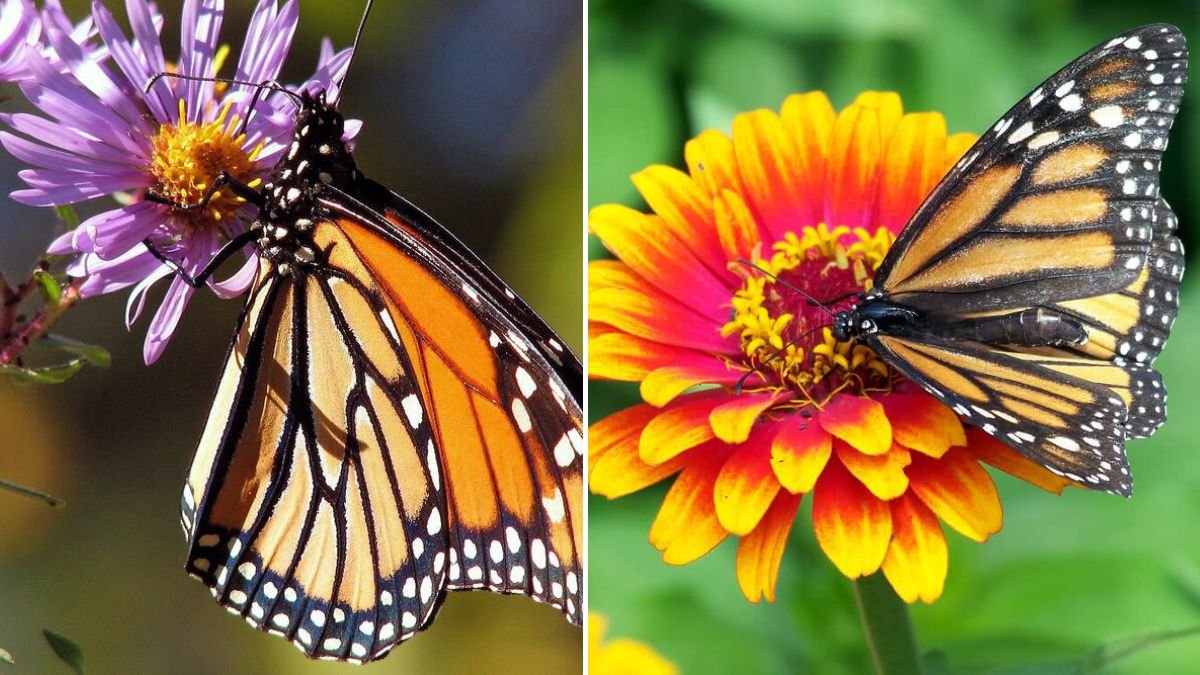
Few sights are as enchanting as a garden full of colorful butterflies fluttering among flowers. Butterflies not only add beauty and movement to your outdoor space, but they also play a crucial role in pollination, helping plants thrive. If you want to create a garden that’s vibrant, lively, and teeming with butterflies, there are strategies that go beyond simply planting flowers.
This guide explores 10 effective ways to attract more butterflies, including plant choices, garden design, water sources, and habitat tips. Follow these steps, and your flower garden can become a butterfly haven from spring through fall.
1. Choose the Right Nectar-Rich Flowers
Butterflies are attracted to flowers that provide abundant nectar. Selecting a variety of nectar-rich blooms ensures they keep coming back.
- Popular butterfly favorites: Milkweed, coneflower, lantana, butterfly bush, zinnias, and asters.
- Color matters: Butterflies are drawn to bright colors such as red, orange, yellow, pink, and purple.
- Continuous blooms: Plant flowers that bloom in succession, ensuring nectar is available throughout the growing season.
By choosing a mix of flowers with different heights and bloom times, you create a buffet of nectar that keeps butterflies active in your garden all season.
2. Plant Host Plants for Caterpillars
Butterflies need host plants for their larvae (caterpillars). While nectar plants feed adult butterflies, host plants give caterpillars a place to grow and develop into adult butterflies.

- Common host plants:
- Milkweed for monarchs
- Dill, parsley, and fennel for swallowtails
- Passionflower for gulf fritillaries
- Nettles for small tortoiseshells
- Place host plants near nectar flowers so butterflies can easily move between feeding and egg-laying sites.
Providing host plants ensures your garden supports the entire butterfly life cycle, not just the adults.
3. Create Sunlit Areas
Butterflies are cold-blooded and need sunlight to warm their bodies. Providing sunny spots encourages them to visit and remain in your garden.
- Plant flowers in areas with at least 6 hours of sunlight per day.
- Include flat rocks or garden stones where butterflies can perch and bask in the sun.
- Avoid shady, dense areas that may discourage activity.
A well-sunlit garden helps butterflies stay active, feed, and lay eggs, increasing overall butterfly visits.
4. Provide Shelter from Wind
Strong winds can make it difficult for butterflies to fly and feed. Planting shrubs, hedges, or small trees creates windbreaks, offering butterflies protection.
- Use evergreens or dense shrubs as natural barriers.
- Position nectar and host plants near sheltered areas.
- Incorporate garden structures like trellises or fences for additional protection.
Sheltered areas help butterflies conserve energy, stay longer in your garden, and feel safe while feeding.

5. Offer Water Sources and Mud Puddles
Butterflies need water and minerals to survive. Providing shallow water sources encourages butterflies to stay nearby.
- Create shallow dishes of water or puddles with sand or soil for them to land on.
- Add a few stones so butterflies can perch safely while drinking.
- Mix in a pinch of salt or sand for minerals, which butterflies absorb through a behavior called “puddling.”
A proper water source ensures your garden is a complete habitat, attracting butterflies and keeping them healthy.
6. Avoid Pesticides and Herbicides
Chemicals used to control pests can harm butterflies and their larvae. To create a butterfly-friendly garden, adopt a chemical-free approach:
- Remove pests manually or use natural predators like ladybugs.
- Opt for organic fertilizers instead of chemical alternatives.
- Avoid treating flowers or host plants with pesticides, as this can kill eggs, caterpillars, and adult butterflies.
By keeping your garden chemical-free, you create a safe environment where butterflies and pollinators can thrive.
7. Include Native Plants
Native plants are naturally suited to your local climate and soil conditions, making them ideal for butterflies. They provide nectar, pollen, and habitat that local butterfly species recognize and need.

- Consult a local nursery or extension office to find native butterfly-friendly plants.
- Examples include goldenrod, joe-pye weed, black-eyed Susan, and native milkweed species.
- Plant clusters rather than single specimens to make nectar sources easier for butterflies to locate.
Native plants are low-maintenance, resilient, and highly attractive to local butterfly populations.
8. Plant in Layers and Clusters
Butterflies are more likely to visit gardens that mimic natural habitats. Layering plants and grouping flowers in clusters creates a welcoming environment.
- Plant tall flowers at the back, medium in the middle, and low-growing flowers in the front.
- Group flowers of the same type together rather than scattering them.
- Include shrubs and small trees to create vertical diversity.
Layering and clustering makes your garden visually attractive and easier for butterflies to navigate, encouraging repeated visits.
9. Add Fruit and Nectar Alternatives
Some butterflies are attracted to overripe fruit and supplemental nectar sources:
- Place halved oranges, bananas, or apples in sunny spots.
- Create a sugar-water solution in a shallow dish as a temporary nectar source.
- These alternatives are especially useful early in the season or when flowers are limited.
Offering diverse food sources ensures butterflies stay longer in your garden and feed actively.

10. Maintain a Diverse and Healthy Garden
A thriving butterfly garden is balanced and ecologically diverse:
- Include a mix of nectar flowers, host plants, trees, shrubs, and ground covers.
- Leave some leaf litter or undisturbed areas for overwintering caterpillars.
- Remove invasive plants that compete with butterfly-friendly species.
- Keep your garden healthy with proper soil, watering, and care for sustained growth.
A healthy, diverse garden supports butterflies year-round and encourages them to return season after season.
Conclusion
Attracting more butterflies to your flower garden is both rewarding and environmentally beneficial. By choosing the right nectar and host plants, creating sunlit and sheltered areas, providing water sources, avoiding chemicals, and planting native species, your garden can become a flourishing butterfly habitat.
Butterflies bring beauty, color, and life to any garden, and with these 10 strategies, you can enjoy a garden alive with fluttering wings from spring through fall. Creating a butterfly-friendly environment not only enhances your garden’s visual appeal but also supports pollinators and local ecosystems, making it a win-win for gardeners and nature alike.
