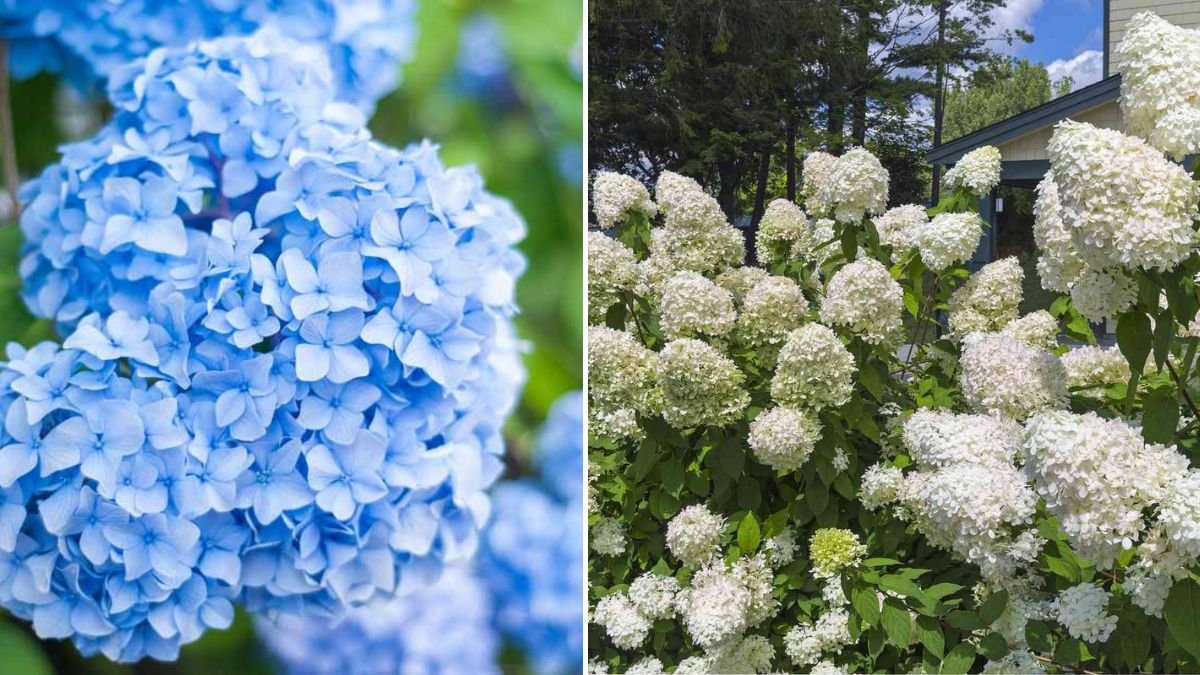
Hydrangeas are undoubtedly popular for their large, showy blooms, but they’re not the only flowering shrubs capable of transforming a garden. For gardeners seeking lower maintenance, extended bloom seasons, or unique colors and textures, there are plenty of alternatives that offer just as much visual appeal. From fragrant blossoms to drought-tolerant varieties, these flowering shrubs provide beauty without the specific challenges hydrangeas sometimes present.
Here’s a detailed guide to 10 flowering shrubs to grow instead of hydrangeas, including planting tips, care requirements, and ideas for incorporating them into your garden.
1. Spirea (Spiraea)
Spirea shrubs are versatile, hardy, and known for their abundant clusters of tiny flowers.
Key Features:
- Bloom Colors: Pink, white, or red
- Bloom Time: Late spring to early summer
- Growth Habit: Compact or arching branches, 2–5 feet tall
Care Tips:
- Plant in full sun to partial shade.
- Tolerant of a wide range of soils.
- Prune after flowering to maintain shape and encourage new blooms.
Spirea’s delicate flower clusters and graceful form make it an excellent alternative to hydrangeas for borders or mass plantings.
2. Weigela
Weigela is a deciduous shrub prized for its tubular, trumpet-shaped flowers that attract hummingbirds.
Key Features:

- Bloom Colors: Pink, red, white, or purple
- Bloom Time: Late spring to early summer
- Growth Habit: Rounded shrub, 3–8 feet tall
Care Tips:
- Prefers full sun for optimal flowering.
- Well-drained soil ensures healthy growth.
- Prune lightly after flowering to shape and encourage reblooming.
Weigela adds vertical interest and long-lasting color to mixed shrub borders, making it a lively replacement for hydrangeas.
3. Lilac (Syringa)
Lilacs are classic flowering shrubs with fragrant, cone-shaped blooms that signal the arrival of spring.
Key Features:
- Bloom Colors: Lavender, purple, pink, or white
- Bloom Time: Late spring
- Growth Habit: Upright and bushy, 8–15 feet tall
Care Tips:
- Plant in full sun with well-drained soil.
- Prune immediately after blooming to maintain shape.
- Mulch to retain soil moisture and protect roots.
Lilacs’ fragrance and showy clusters make them perfect for entryways, fences, or garden centers.
4. Azalea (Rhododendron spp.)
Azaleas offer vibrant spring color and thrive in partially shaded areas, making them versatile for many garden layouts.
Key Features:

- Bloom Colors: Pink, red, white, purple, orange
- Bloom Time: Early to mid-spring
- Growth Habit: Compact or sprawling, 2–6 feet tall
Care Tips:
- Acidic, well-draining soil is ideal.
- Provide morning sun and afternoon shade.
- Mulch to keep roots cool and prevent weeds.
Azaleas provide a burst of early-season color and pair beautifully with evergreens for year-round interest.
5. Rose of Sharon (Hibiscus syriacus)
Rose of Sharon produces large, hibiscus-like flowers that bloom throughout summer, attracting pollinators.
Key Features:
- Bloom Colors: Pink, white, purple, or blue
- Bloom Time: Mid-summer to fall
- Growth Habit: Upright, 6–12 feet tall
Care Tips:
- Full sun promotes the best flowering.
- Tolerates most soils but prefers well-drained conditions.
- Prune in late winter or early spring to encourage bushier growth.
Rose of Sharon’s long blooming season and dramatic flowers make it a standout choice in place of hydrangeas.
6. Mock Orange (Philadelphus)
Mock orange shrubs are loved for their fragrant white flowers reminiscent of orange blossoms.
Key Features:

- Bloom Colors: White
- Bloom Time: Late spring to early summer
- Growth Habit: Rounded, 6–10 feet tall
Care Tips:
- Plant in full sun to partial shade.
- Well-drained soil helps prevent root rot.
- Prune immediately after flowering to maintain structure.
The sweet fragrance of mock orange makes it an excellent choice for planting near patios, walkways, or outdoor seating areas.
7. Butterfly Bush (Buddleia)
Butterfly bush is a fast-growing shrub that produces long, colorful flower spikes, attracting butterflies and bees.
Key Features:
- Bloom Colors: Purple, pink, white, or blue
- Bloom Time: Summer to fall
- Growth Habit: Upright and arching, 5–10 feet tall
Care Tips:
- Full sun is essential for prolific flowering.
- Well-drained soil prevents root problems.
- Prune in late winter to encourage new growth and flower production.
Butterfly bush adds height, color, and wildlife activity to gardens, providing a dynamic alternative to hydrangeas.
8. Viburnum
Viburnum shrubs are multi-seasonal, offering fragrant blooms in spring and colorful berries in fall.
Key Features:

- Bloom Colors: White, pink, or cream
- Bloom Time: Spring to early summer
- Growth Habit: Rounded, 4–12 feet tall depending on variety
Care Tips:
- Full sun to partial shade is ideal.
- Moist, well-drained soil encourages healthy growth.
- Prune lightly after flowering to maintain shape.
Viburnums provide both flowers and ornamental fruit, giving your garden year-round interest.
9. Camellia
Camellias are evergreen shrubs with glossy leaves and stunning winter to early spring blooms.
Key Features:
- Bloom Colors: Red, pink, white, and variegated
- Bloom Time: Late winter to early spring
- Growth Habit: Compact or spreading, 4–12 feet tall
Care Tips:
- Prefers acidic, well-drained soil.
- Plant in partial shade to protect flowers from harsh sunlight.
- Mulch to retain moisture and regulate soil temperature.
Camellias offer winter color when most other shrubs are dormant, providing a continuous garden presence.
10. Forsythia
Forsythia is a fast-growing, early-blooming shrub with bright yellow flowers that herald spring.
Key Features:
- Bloom Colors: Yellow
- Bloom Time: Early spring
- Growth Habit: Arching branches, 6–10 feet tall
Care Tips:
- Plant in full sun for the most vibrant blooms.
- Well-draining soil is essential.
- Prune immediately after flowering to maintain a vigorous shape.
Forsythia adds bold early-season color and structure, making it a cheerful alternative to hydrangeas.
Why Choose Hydrangea Alternatives?
While hydrangeas are undeniably beautiful, they can be high-maintenance, requiring soil pH adjustments, heavy watering, and careful pruning. Alternatives like the shrubs listed above:
- Require Less Maintenance – Many tolerate drought, poor soils, or minimal pruning.
- Offer Extended Blooming Seasons – Some flower from spring through fall.
- Add Fragrance and Wildlife Appeal – Attract bees, butterflies, and hummingbirds.
- Provide Varied Colors and Textures – Expand your garden’s visual interest beyond the typical hydrangea palette.
By exploring these options, gardeners can enjoy vibrant, resilient landscapes without the specific challenges associated with hydrangeas.
Tips for Successful Shrub Planting
- Know Your Zone – Choose shrubs that thrive in your USDA hardiness zone.
- Soil Matters – Amend soil if needed for proper drainage and nutrient content.
- Spacing – Allow adequate space for mature growth to prevent overcrowding.
- Watering – Newly planted shrubs need consistent watering until established.
- Pruning – Prune after flowering to shape shrubs and encourage new growth.
- Companion Planting – Mix shrubs with perennials or groundcovers for a layered, dynamic garden.
Final Thoughts
Gardening is about experimenting with color, texture, and bloom cycles. While hydrangeas have their charm, these 10 flowering shrubs—from spirea to camellia—offer vibrancy, fragrance, and resilience, making them excellent alternatives for a thriving, beautiful garden. By understanding their growth habits and care needs, you can create a landscape that blooms from spring through fall and even into winter, providing continuous interest and enjoyment.
Whether you want low-maintenance options, fragrant blooms, or plants that attract pollinators, these shrubs prove that there’s more to a colorful garden than hydrangeas.