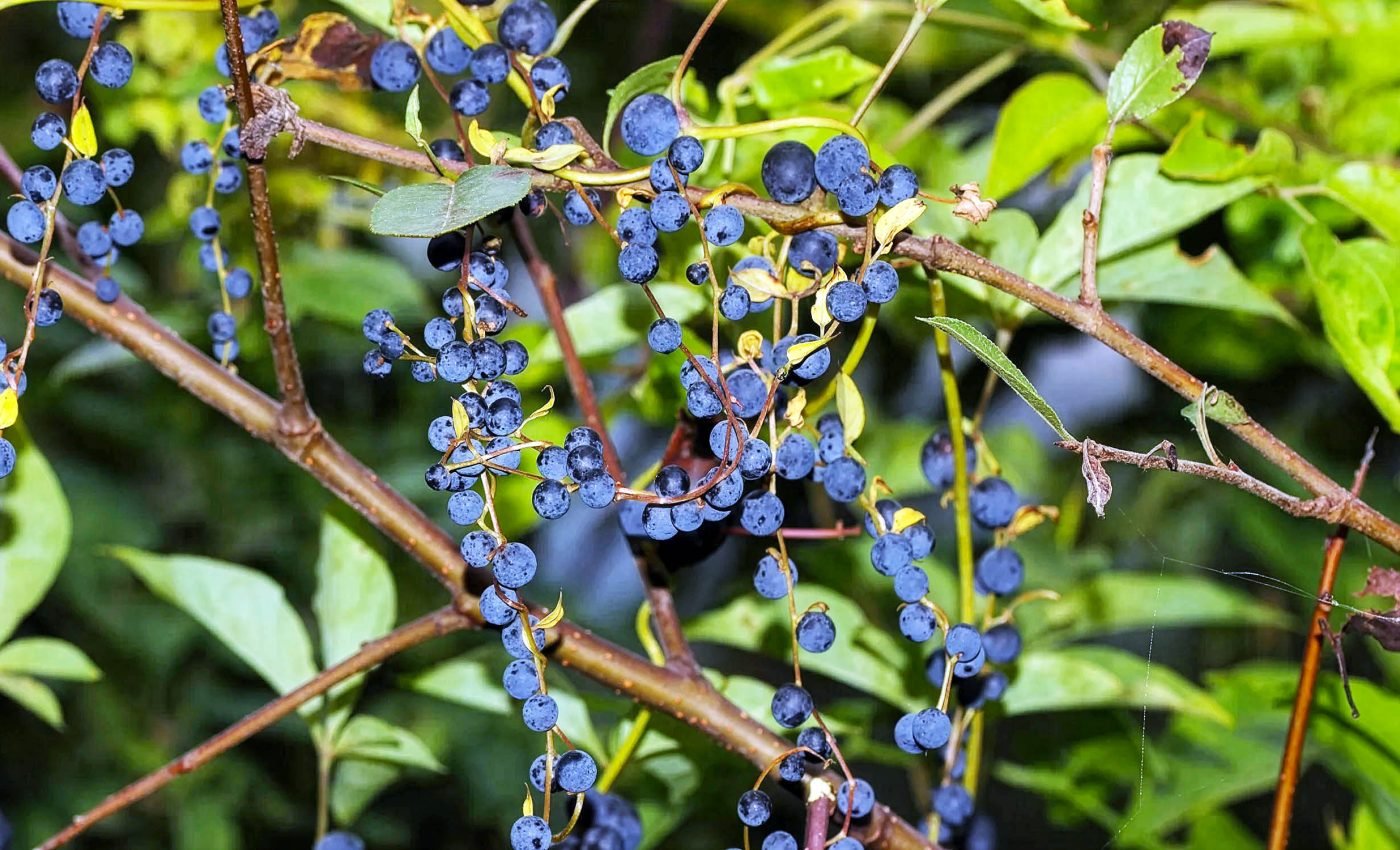
Have you ever walked through a garden or forest in winter and noticed bright, colorful berries on bushes or trees? Those berries can be beautiful, but not all of them are what they seem. Some plants have developed a clever trick: they produce fake or misleading berries to attract birds — ensuring their seeds get carried far and wide. This fascinating strategy is a striking example of how plants evolve to survive and reproduce, even when they can’t move on their own.
In this article, we explore why plants make fake berries, how they trick birds, and the surprising ways this strategy benefits both plants and ecosystems.
Why Plants Need Birds to Spread Their Seeds
Plants are rooted in place, so they rely on external forces to transport their seeds. Birds are perfect partners because:
- They eat berries quickly and move long distances
- Seeds can survive passage through a bird’s digestive system
- Birds naturally deposit seeds in new, nutrient-rich locations
By attracting birds with bright fruits — whether real or deceptive — plants ensure their progeny have the best chance to grow in new areas.

What Are Fake Berries?
Fake berries are plant structures that look like edible fruits but contain no seeds, little nutrition, or only partially developed seeds. They serve primarily as a lure for birds and other animals.
Types of fake berries include:
- Accessory fruits: Modified plant tissues that resemble edible berries
- Empty seeds: True fruits with undeveloped or non-viable seeds
- Colorful but inedible berries: Bright pigments to attract attention
These berries rely on visual cues and timing to fool birds into eating or interacting with them.
How Plants Trick Birds
Birds are drawn to certain traits in berries:

- Bright colors (red, orange, yellow)
- High contrast against green foliage
- Clusters that are easy to spot
Fake berries exploit these preferences. Some plants produce berries that:
- Mimic the appearance of nutritious fruits
- Ripen at the same time as other edible fruits
- Persist on the plant long after the actual seeds are ready
Birds peck at these berries, and even if the berry itself is fake, the plant benefits. In some cases, the bird’s feeding behavior also spreads real seeds nearby, or the fake berries help direct birds toward other seeds.
Examples of Plants That Use Fake Berries
- Holly (Ilex species)
Some holly berries contain fewer viable seeds than they appear to. The bright red fruits attract birds, ensuring at least some seeds are dispersed while the bird feeds. - Snowberry (Symphoricarpos albus)
Snowberries are white and often look like perfect snacks, but their seeds are largely unpalatable. Birds eat them and sometimes drop them, helping distribute real seeds. - Nandina (Heavenly Bamboo)
This ornamental plant produces clusters of red berries. While some are fertile, many are decorative and designed to draw birds’ attention to the plant’s seed-bearing flowers. - Other Decoys
Some plants produce berries with bitter compounds that make them unpleasant to eat after the first bite — yet birds continue to interact with the plant, inadvertently spreading real seeds.
Benefits to Plants
Producing fake berries may seem wasteful, but it’s a strategic evolutionary investment:
- Energy efficiency: It’s often easier for a plant to produce a visually attractive fruit than to pack every berry with nutrients.
- Seed protection: By mixing real seeds with fake ones, plants reduce the chance that all seeds are eaten at once.
- Extended attraction: Fake berries can persist longer than real fruit, keeping birds visiting the plant for weeks.
In essence, fake berries maximize the chances of seed dispersal without requiring the plant to produce more energy-rich fruits than necessary.

The Role of Color in Deception
Color is key in attracting birds. Plants that rely on fake berries often display:
- Red or orange shades: Easily visible in winter or green foliage
- Contrasting backgrounds: White berries against dark leaves stand out
- Shiny surfaces: Mimic ripeness and freshness
Birds rely heavily on sight to locate food, so visual mimicry is a powerful tool for plants.
Do Birds Get Fooled?
Not always. Birds are smart, and some species learn to distinguish between edible and fake fruits. However, even partial deception works:
- Birds may eat fake berries if real ones are scarce
- Repeated interaction often leads to real seed dispersal nearby
- Predatory mimicry ensures some seeds survive and germinate
Plants don’t need every bird to be fooled — just enough to ensure the survival of their seeds.

Why This Strategy Matters for Ecosystems
Plants with fake berries play a unique ecological role:
- Maintain bird populations during lean months
- Help spread plants to new habitats
- Increase biodiversity by supporting multiple species
By creating a visual “food signal,” even a partially fake one, plants contribute to a dynamic web of interactions between flora and fauna.
Human Perspective: Appreciating Nature’s Cleverness
For gardeners and nature enthusiasts, noticing fake berries adds depth to understanding your surroundings:
- Observing which birds interact with certain plants reveals patterns in seed dispersal
- Fake berries demonstrate that plants are not passive — they actively manipulate their environment
- Studying these strategies can inspire sustainable gardening practices, such as planting fruiting shrubs to support local wildlife
Tips for Using Fake-Berry Plants in Your Garden
- Choose native species: Birds are adapted to local plants, increasing the chances of seed dispersal.
- Mix with real berries: Combine decorative and fertile berries to attract wildlife while supporting plant reproduction.
- Observe and enjoy: Watch bird behavior — it’s educational and can help identify which plants truly benefit wildlife.
- Avoid invasive species: Some berry-producing plants can spread aggressively if not monitored.
Final Thoughts
Nature is full of clever strategies, and fake berries are a prime example of evolutionary ingenuity. By creating deceptive but attractive fruit, plants ensure their seeds are carried far and wide, often with minimal energy investment. While birds are the unwitting participants in this drama, both plants and ecosystems benefit from the exchange.

Next time you spot a bright red, white, or orange berry in winter, take a closer look. It may not be what it seems — and yet, it’s playing a crucial role in the survival of its species. The subtle dance between plants and birds reminds us that even the smallest details in nature are full of strategy, survival, and wonder