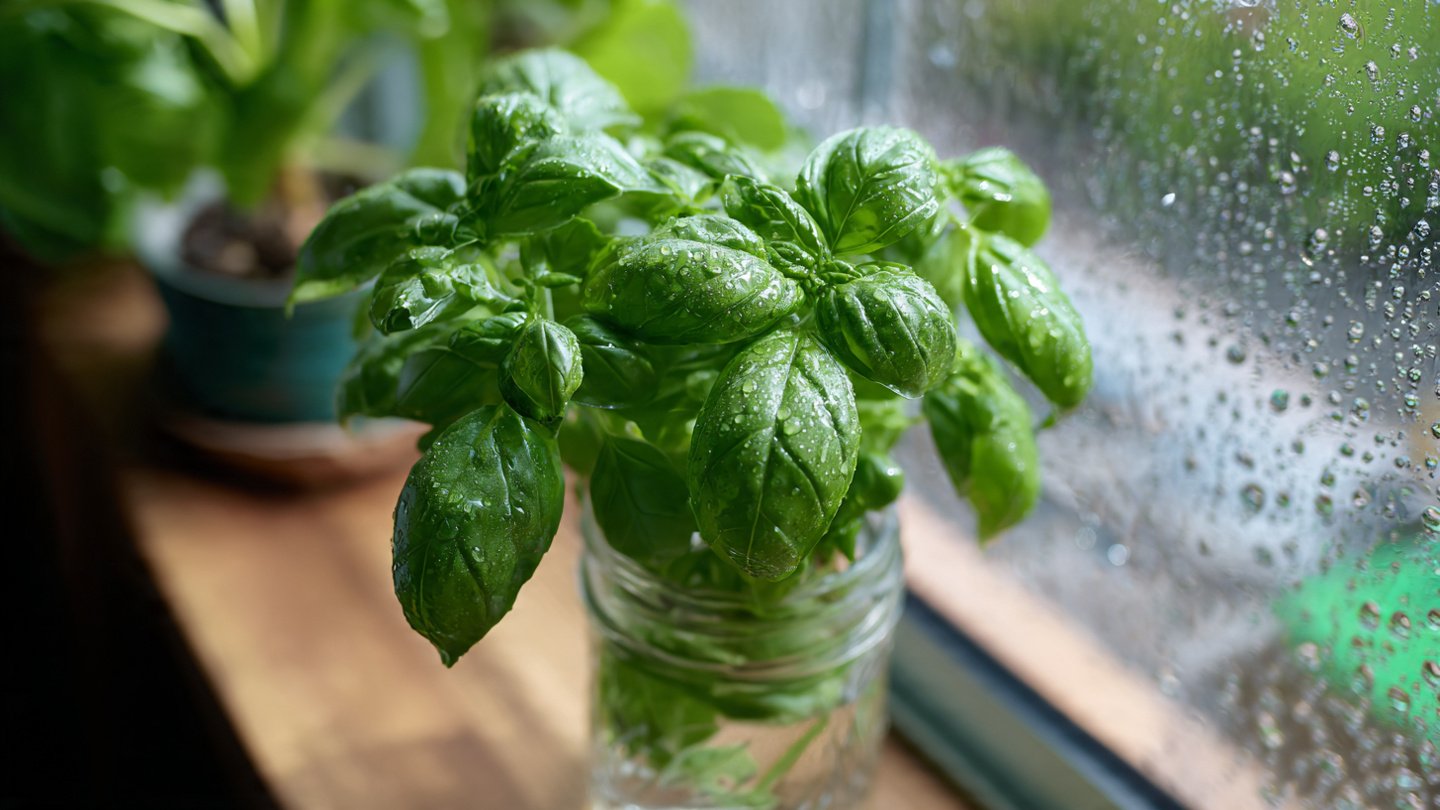
Basil is one of the most popular culinary herbs, known for its aromatic leaves and versatility in cooking. Growing basil at home can be extremely rewarding, especially when it’s done in water. This guide will walk you through the process of growing fresh basil in water, making it easy for beginners to enjoy homegrown herbs without the need for soil or extensive gardening experience.
Why Grow Basil in Water?
Growing basil in water has several advantages:
- Simplicity: It eliminates the need for soil, making the process cleaner and easier for beginners.
- Space: You can grow basil in small spaces, such as kitchen counters or window sills.
- Instant Gratification: Watching basil roots grow is visually rewarding and happens quickly.
- Hydration: Basil thrives when its roots are constantly hydrated, making water propagation an effective method for growth.
What You’ll Need
Materials Required
- Fresh Basil Cuttings: Obtain cuttings from a healthy basil plant. Look for stems that are at least 4-6 inches long, with several leaves.
- Glass Jars or Containers: Any clear glass container will work, such as jars, vases, or recycled glass bottles. The transparency allows you to monitor root growth.
- Fresh Water: Use filtered or tap water that has been left to sit for 24 hours to allow chlorine to dissipate.
- Sunlight: A bright, indirect light source, such as a windowsill, is ideal for basil growth.

Optional Materials
- Liquid Fertilizer: If you’re planning to transfer your basil to soil later, consider using a diluted fertilizer to boost growth once established.
- Small Pebbles: For added stability in your container.
Step-by-Step Guide to Growing Basil in Water
Step 1: Choose Your Basil
Select a healthy basil plant from a local market, nursery, or a grocery store. Choose varieties like Sweet Basil, Genovese, or Thai Basil, depending on your culinary preferences.
Step 2: Prepare the Cuttings
- Gather Your Tools: Use clean scissors or pruning shears.
- Make the Cut: Snip off a 4- to 6-inch segment of the basil stem just below a leaf node. A node is the part of the stem where leaves are attached. This is where new roots will emerge.
- Remove Lower Leaves: Strip off any leaves on the bottom half of the cutting to prevent decay when placed in water.

Step 3: Place in Water
- Fill the Container: Pour fresh, filtered water into your glass container, enough to submerge the stem but not the leaves.
- Insert the Cutting: Place the basil cutting in the container, ensuring the bare stem is submerged and the leaves are above the water.
Step 4: Provide Ideal Conditions
- Light: Place the container in a sunny location where it can receive bright but indirect light. Avoid direct sunlight, which can scorch the leaves.
- Temperature: Basil thrives in warm temperatures. Ensure your room temperature is between 70°F to 85°F (21°C to 29°C).
Step 5: Change the Water
Change the water every 3-5 days to prevent stagnation and the growth of algae or bacteria. Use fresh, clean water each time.
Step 6: Watch for Root Growth
Within about a week, you should start seeing roots emerge from the bottom of the cutting. Keep an eye on them; healthy roots will be white and firm.

Step 7: Transplant (Optional)
Once the roots are about 2-4 inches long, you can decide to keep the basil in water or transfer it to a pot with soil for more robust growth. If you choose to transfer it:
- Choose a Pot: Select a pot with drainage holes and fill it with well-draining potting mix.
- Plant the Basil: Remove the basil from the water and gently plant it in the soil, ensuring not to damage the roots.
- Water: Water well but avoid overwatering, as basil prefers moist but well-drained soil.
Step 8: Pruning and Harvesting
- Monitor Growth: Regularly check your basil for new growth.
- Prune: Pinch off the top leaves to encourage bushier growth and prevent the plant from flowering too early, which can lead to a decrease in leaf production.
- Harvest: Basil can be harvested once it reaches 6-8 inches in height. Always cut the stems above a leaf node to promote further growth.
Care Tips for Basil in Water
- Light: If you notice the leaves turning yellow or falling off, it may indicate too much or too little light. Adjust accordingly.
- Humidity: Basil prefers humidity. If your indoor air is dry, consider misting the leaves occasionally.
- Pests: Keep an eye out for pests like aphids or spider mites. If you notice any, use a mixture of water and dish soap to gently wash them off.

FAQs
1. How long does it take for basil cuttings to root in water?
It typically takes about 1-2 weeks for basil cuttings to develop roots in water, depending on the environmental conditions.
2. Can I grow basil in water indefinitely?
Basil can grow in water for a time, but eventually, it may require soil for more significant growth and nutrient uptake.
3. How often should I change the water?
It’s best to change the water every 3-5 days to ensure optimal growth and prevent algae buildup.
4. What should I do if my basil starts to flower?
Pinch off the flowers as soon as you see them to encourage the plant to focus its energy on producing leaves rather than flowers.

5. Can I use store-bought basil for cuttings?
Yes, you can use store-bought basil, but ensure it’s fresh and healthy. Look for basil with firm stems and vibrant leaves.
6. What type of basil is best to grow in water?
Sweet Basil and Genovese Basil are popular varieties that grow well in water and are commonly used in cooking.
7. Can I grow multiple basil cuttings in one container?
Yes, you can grow multiple cuttings, but ensure they have enough space to develop roots without crowding each other.
8. What kind of light does basil need?
Basil prefers bright, indirect sunlight. Avoid direct sunlight to prevent leaf scorch.
Conclusion
Growing basil in water is a simple, rewarding project that can yield fresh herbs for your meals. With minimal tools and a little patience, you can enjoy the vibrant taste and aroma of basil right from your own kitchen. Whether you’re a seasoned cook or a kitchen novice, fresh basil can elevate your dishes and provide a fulfilling gardening experience. So why wait? Start your basil-growing journey today!