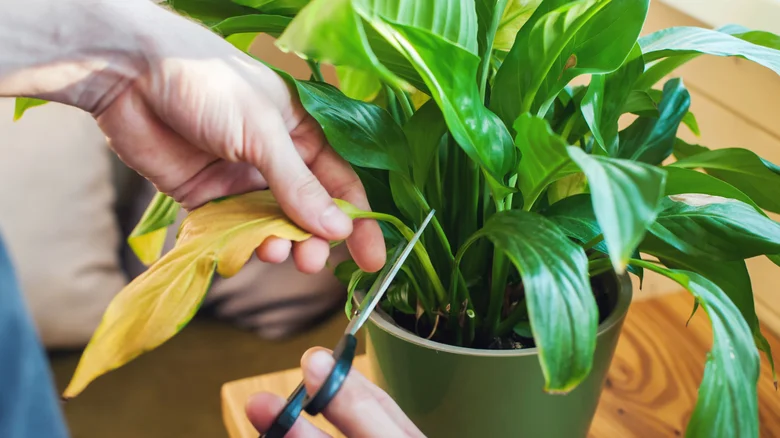
January is often seen as a quiet month for gardening. Outdoors, the soil may be frozen, and most flowers remain dormant. But your indoor plants don’t take a break. This is the perfect time to prune, trim, and refresh your houseplants, setting them up for robust growth and lush foliage when spring arrives. A little winter care now can make a huge difference later.
Here’s a comprehensive guide to 11 indoor plants that benefit from pruning in January — along with tips for doing it safely and effectively.
Why Pruning Indoor Plants in January Matters
Pruning isn’t just about aesthetics. Proper winter trimming helps your plants:
- Remove dead, yellowing, or damaged leaves
- Stimulate healthier growth in spring
- Maintain a balanced shape and size
- Prevent disease and improve air circulation
Unlike repotting, which can trigger growth too early in the dormant season, pruning is gentle and keeps your plant’s energy in check while encouraging future blooms.
1. Miniature Roses
Miniature roses are charming indoor flowers, perfect for adding a splash of color in winter.
Pruning Tips:
- Remove faded or dead leaves as they appear
- Trim damaged stems to prevent disease
- Use proper garden shears rather than kitchen scissors
Pruning now ensures your roses will bloom more fully when warmer months arrive.

2. Sage
Sage is a hardy indoor herb that thrives with regular trimming.
Pruning Tips:
- Lightly prune to prevent leggy growth
- Avoid overpruning, which can expose the plant to diseases like gray mold
- Use small gardening scissors for precise cuts
Regular pruning keeps sage lush, aromatic, and full throughout the year.
3. Succulents
While succulents often require minimal care in winter, some varieties benefit from pruning.
Pruning Tips:
- Trim dead, broken, or overgrown sections
- Focus on flowering succulents during their dormant period
- Make clean cuts to reduce infection risk
This helps maintain compact shapes and encourages stronger growth in spring.
4. Fiddle Leaf Fig (Ficus lyrata)
Fiddle leaf figs are popular for their dramatic foliage. Pruning in winter keeps these indoor giants manageable.

Pruning Tips:
- Remove sick or dead leaves
- Trim bottom leaves to shape the plant
- Avoid heavy pruning too early, which could stunt growth
Pruned correctly, your fiddle leaf fig will remain healthy and upright while preparing for new leaves in late winter or early spring.
5. Pothos (Epipremnum aureum)
Pothos are easygoing vining plants, but they can benefit from light pruning in winter.
Pruning Tips:
- Remove yellowing or faded leaves
- Trim only the affected ends of stems
- Cut at the petiole where it connects to the stem
This keeps the plant tidy, encourages fuller growth, and prevents energy waste on damaged leaves.
6. Rubber Plant (Ficus elastica)
Rubber plants are sturdy and versatile. Winter is the ideal time for pruning because their sap content is lowest.
Pruning Tips:

- Trim leaves above the nodes to direct growth
- Remove damaged or diseased foliage
- Use a sharp knife or pruning shears for clean cuts
Winter pruning keeps your rubber plant compact and encourages stronger branches for spring.
7. Peace Lilies (Spathiphyllum)
Peace lilies are elegant and low-maintenance, but they benefit from careful pruning in winter.
Pruning Tips:
- Remove yellowing or diseased leaves
- Avoid cutting more than one-third of the plant
- Watch for crowded or dried leaves and excessively tall growth
Pruning ensures energy goes into producing new blossoms rather than maintaining unhealthy foliage.
8. Fuchsias
Fuchsias are delicate flowering plants that respond well to winter trimming.
Pruning Tips:
- Trim faded flowers and weak stems
- Maintain shape without cutting too heavily
- Focus on removing diseased or dead parts
This promotes vigorous growth and fuller flowering in spring and summer.

9. Spider Plants (Chlorophytum comosum)
Spider plants are resilient, but pruning helps maintain their shape and health.
Pruning Tips:
- Remove brown tips and dead leaves
- Trim excess runners if the plant becomes overcrowded
- Use clean, sharp scissors to prevent tearing
Regular pruning keeps spider plants visually appealing and encourages new shoots.
10. Rubber Fig (Ficus robusta)
Not to be confused with Ficus elastica, this variety also thrives with careful winter pruning.
Pruning Tips:
- Cut back any overly long stems
- Remove unhealthy leaves to reduce disease risk
- Focus on shaping rather than heavy trimming
This ensures the plant maintains a healthy structure throughout the season.
11. Sage (Salvia officinalis)
Sage deserves a second mention because it’s one of the few herbs that benefits from frequent, light pruning during winter.

Pruning Tips:
- Regularly snip new growth to maintain bushy shape
- Avoid cutting too much at once
- Keep the plant clean of debris to prevent fungal infections
Proper pruning will result in flavorful, compact sage ready for culinary use.
General Pruning Tips for January
- Use sharp, clean tools: Rusty or dull shears can damage stems and spread disease.
- Prune conservatively: Never remove more than one-third of the plant at a time.
- Focus on health: Prioritize removing dead, diseased, or overcrowded foliage.
- Avoid repotting: Winter is not ideal for stimulating new growth. Wait until late winter or spring.
- Monitor light and temperature: Ensure plants receive adequate light and avoid drafts after pruning.
Why January Pruning Pays Off
Pruning indoor plants in January may seem counterintuitive because many plants grow slowly in winter. However, this timing allows you to:
- Prepare your plants for early spring growth
- Maintain aesthetics and shape
- Prevent disease during the dormant period
- Remove stressors that could inhibit blooming
A little attention now results in stronger, fuller, and healthier plants when they resume active growth.
Final Thoughts
Winter doesn’t mean neglect. With thoughtful pruning, your indoor plants can thrive throughout the season and greet spring with vibrant leaves and abundant blooms. From fiddle leaf figs to peace lilies, each plant has its own pruning needs, but the overall principle is the same: remove dead or damaged foliage, shape the plant, and preserve energy for future growth.
By dedicating time to your indoor garden in January, you’re giving your plants a fresh start — and setting yourself up for a beautiful, thriving home garden all year long