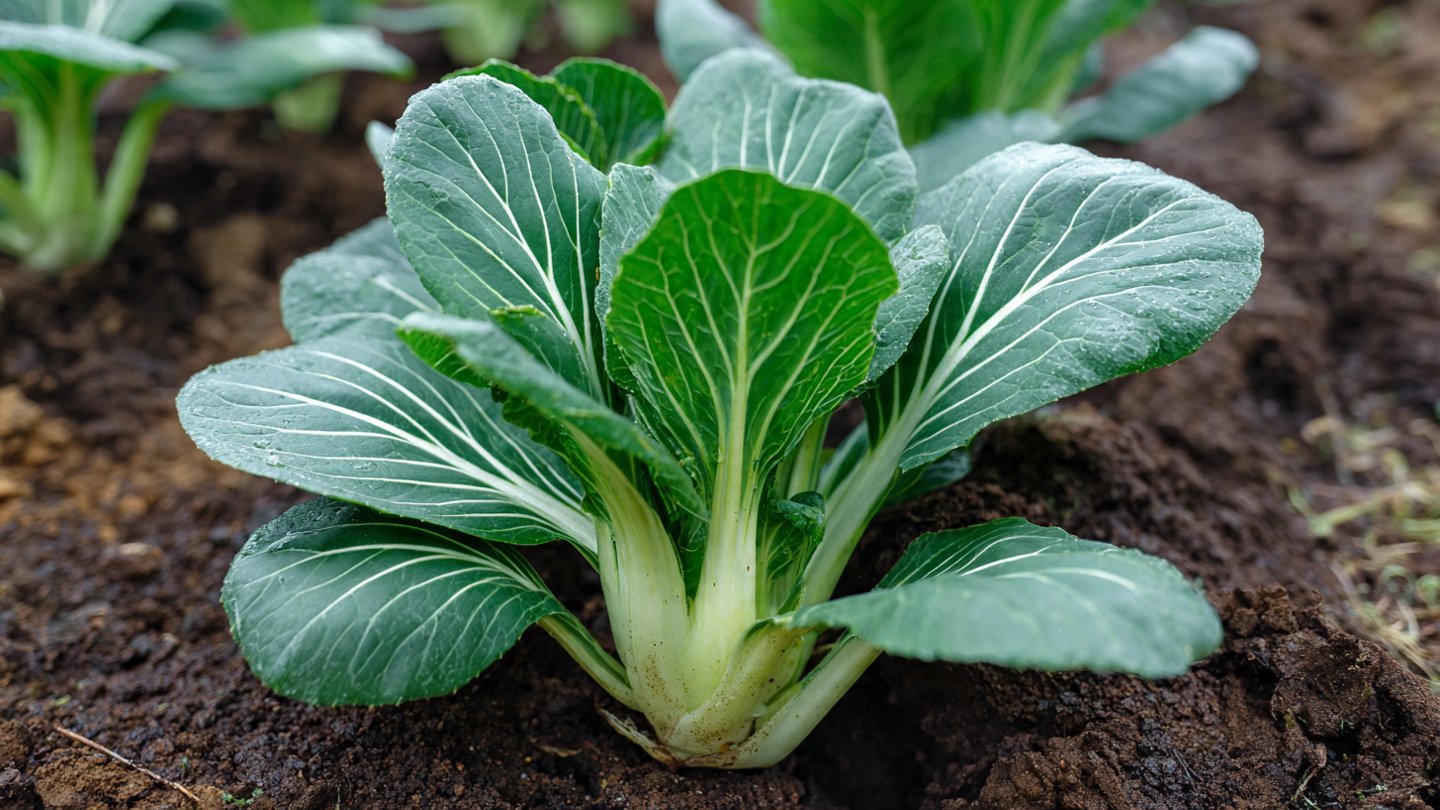
Bok choy, also known as Chinese cabbage, is a versatile leafy green that can add a delightful crunch and vibrant flavor to a variety of dishes. Growing bok choy at home is not only rewarding but also an excellent way to ensure that you have fresh, organic produce at your fingertips. In this comprehensive guide, we’ll cover everything from selecting seeds to harvesting your crop, ensuring that you can cultivate your very own bok choy successfully.
Understanding Bok Choy
Bok choy is a member of the Brassica family, which also includes broccoli, kale, and cabbage. Its growth cycle is relatively quick, making it a favorite among home gardeners. The two most common varieties are “Shanghai,” known for its tender leaves, and “Green Stem,” characterized by its crisp, crunchy stems.
Benefits of Growing Bok Choy
- Quick Growth: Bok choy matures in 30 to 60 days, depending on the variety.
- Nutrient-Rich: It’s packed with vitamins A, C, and K, and is a good source of calcium, iron, and magnesium.
- Versatile Use: It can be used in salads, stir-fries, soups, and more.
Choosing the Right Variety
When selecting bok choy seeds, consider your climate and intended use. Here are a few popular varieties:
- Bok Choy “White Stem”: Has green leaves with white, crunchy stems. Great for stir-fries.
- Bok Choy “Black”: A variety that sports dark green, broad leaves. It’s particularly robust.
- Baby Bok Choy: Smaller, tender leaves that are ideal for salads.
Seed Sources

You can find bok choy seeds at local garden centers, online gardening stores, or seed exchanges. Make sure to choose organic or heirloom varieties if you want to have a sustainable and eco-friendly garden.
Preparing the Garden Bed
Bok choy thrives in well-drained, fertile soil enriched with organic matter. Here’s how to prepare your garden bed:
Location
- Sunlight: Choose a spot that receives at least 6 hours of sunlight per day. Partial shade can also be beneficial, especially in warm climates.
- Soil: Ideally, the pH should be between 6.0 and 7.0. Conduct a soil test if possible.
Soil Preparation
- Tilling: Loosen the soil to a depth of at least 12 inches. Remove weeds and rocks.
- Amendments: Mix in compost or well-rotted manure to enhance fertility.
Planting Bok Choy
Timing
Bok choy can be planted in the spring or fall, as it thrives in cooler temperatures. For spring planting, sow seeds about 2-4 weeks before the last frost date. For fall planting, start seeds 8-12 weeks before the first frost.
Planting Methods
- Direct Sowing: Sow seeds 1/4 to 1/2 inch deep, spaced about 1-2 inches apart. Rows should be spaced 12-18 inches apart.
- Transplanting: If starting seeds indoors, transplant into the garden when seedlings are 4-6 weeks old and have at least 2 sets of true leaves.

Depth and Spacing
Ensure proper spacing to facilitate air circulation and reduce disease risk. Thin seedlings to about 6-12 inches apart for optimal growth.
Watering and Maintenance
Watering
Bok choy requires consistent moisture to thrive. Be sure to:
- Water Early: Water in the morning to ensure the soil remains moist throughout the day.
- Avoid Overwatering: Ensure the soil isn’t soggy. Draining is essential to prevent root rot.
Fertilization
- Initial Fertilizer: Use a balanced fertilizer at planting time.
- Additional Feeding: Fertilize every couple of weeks with a nitrogen-rich fertilizer to promote leaf growth.
Mulching
Apply a layer of organic mulch (like straw or wood chips) around the base of your plants. This helps maintain soil temperature and moisture, reduces weeds, and adds nutrients as it decomposes.

Pest and Disease Management
Bok choy can be susceptible to certain pests and diseases. Here’s how to manage them:
Common Pests
- Aphids: These tiny insects can cluster on leaves. Use water sprays to dislodge them or introduce ladybugs.
- Cabbage Worms: Handpick or use row covers to protect young plants.
- Flea Beetles: These can create small holes in the leaves. Use insecticidal soap or neem oil if necessary.
Diseases
- Downy Mildew: Prevent this fungal disease with proper spacing and air circulation.
- Black Rot: This can be prevented by rotating crops and practicing good sanitation.
Harvesting Bok Choy
When to Harvest
Bok choy is ready for harvest when it reaches about 6-12 inches in height, typically around 30-60 days after planting. For baby bok choy, you can harvest when the plants are about 5-6 inches tall.
How to Harvest
Use a sharp knife to cut the plant near the base. Alternatively, you can harvest individual leaves if you want to prolong the growing period.

Storing Bok Choy
After harvesting, store bok choy in the refrigerator. Wrap it in a damp paper towel and place it in a perforated plastic bag. Under these conditions, it can last up to a week.
Cooking with Bok Choy
Bok choy can be enjoyed in many ways:
- Stir-Fries: Quickly sauté with garlic and ginger.
- Soups: Add to broths for a nutrient boost.
- Salads: Mix raw leaves with other greens for a crunchy salad base.
FAQs
1. Can bok choy be grown in containers?
Yes, bok choy can be successfully grown in containers, provided they are deep enough (at least 6-8 inches) to accommodate root growth and have adequate drainage.
2. What is the best time to plant bok choy?
Bok choy is best planted in early spring or late summer/early fall when temperatures are cooler.
3. How much sunlight does bok choy need?
Bok choy prefers full sun, requiring at least 6 hours of sunlight per day.

4. What should I do if my bok choy bolts?
If bok choy begins to bolt (flower), it’s a sign of stress, usually from heat. Harvest immediately, as the leaves will start to become bitter.
5. Can I freeze bok choy?
Yes, bok choy can be blanched and frozen for later use. However, fresh bok choy has the best flavor and texture.
6. How can I prevent pests?
Use row covers, plant companion crops, and introduce beneficial insects like ladybugs to naturally manage pests.
7. What should the soil temperature be for optimal growth?
Bok choy prefers cooler soil temperatures, ideally between 60°F and 70°F.
Conclusion
Growing bok choy at home is a straightforward and immensely rewarding endeavor. With a little care and attention, you can enjoy fresh, delicious harvests right from your garden. Remember to pay attention to sourcing seeds, optimizing your garden bed, maintaining proper watering and care, and managing pests. Happy gardening!