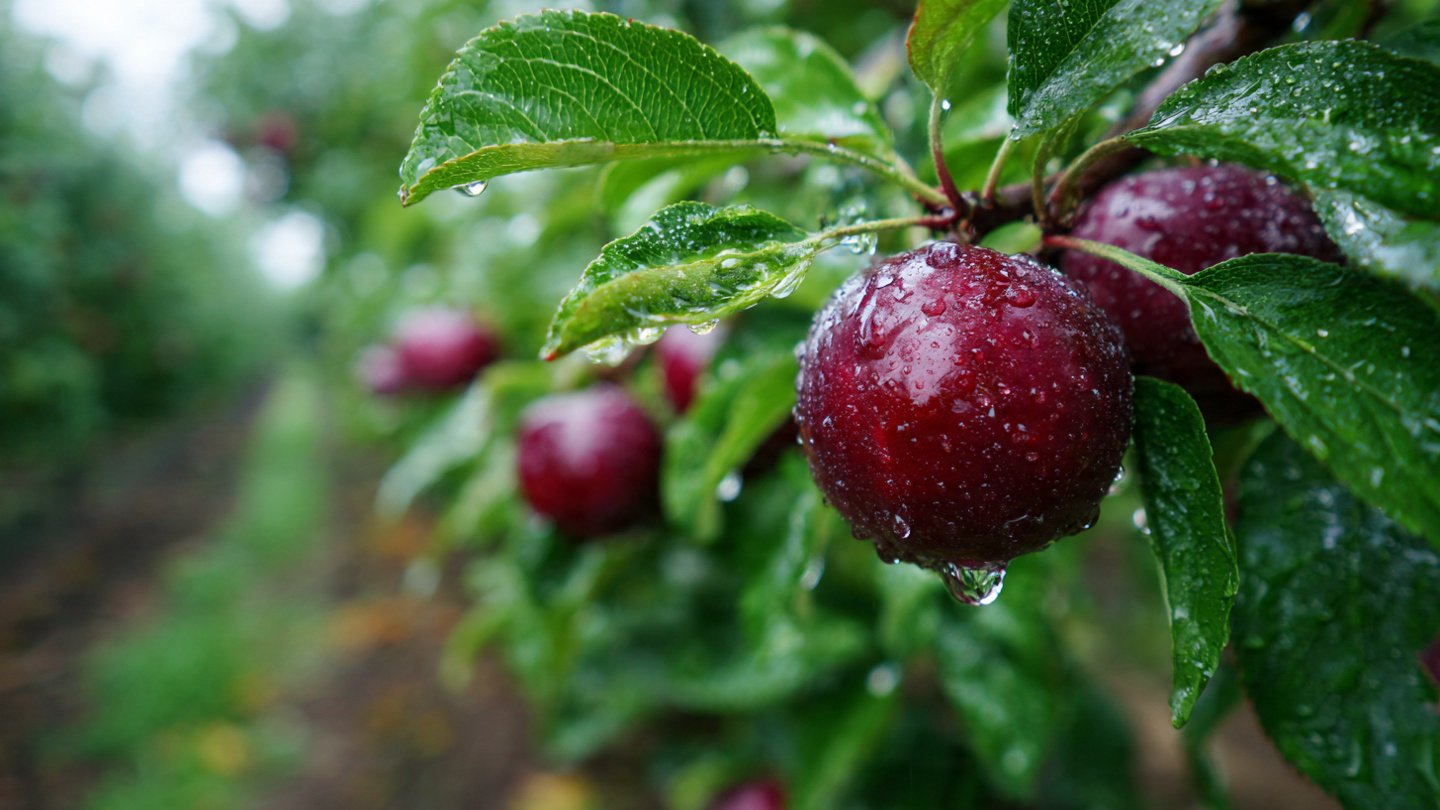
Growing healthy fruit trees is an endeavor that can produce delicious rewards, but achieving the desired yields requires understanding several critical factors. One of the most significant yet often overlooked aspects of fruit tree cultivation is soil moisture. This article delves into the intricate relationship between soil moisture and the health of fruit trees, exploring how it affects growth, fruit production, disease resistance, and overall vitality.
The Importance of Soil Moisture
Soil moisture is a key component in the lives of plants, as it directly influences their physiological processes. Water is crucial for various functions including nutrient uptake, photosynthesis, and transpiration. Without adequate moisture, fruit trees may struggle, leading to a cascade of negative impacts.
1. Nutrient Uptake
The availability of water in the soil affects the solubility of nutrients. When soil moisture levels are appropriate, nutrients are easily absorbed through the roots. Conversely, dry soil can hinder the uptake of essential minerals like nitrogen, phosphorus, and potassium. This nutrient deficiency can lead to poor tree health and reduced fruit quality.
2. Photosynthesis
Water plays a crucial role in photosynthesis, the process through which trees convert sunlight into energy. Insufficient soil moisture can reduce the rate of photosynthesis, limiting the tree’s energy production. Trees lacking energy may exhibit stunted growth and reduced flowering, significantly impacting fruit yield.
3. Transpiration

Transpiration is the process by which water evaporates from the leaves, creating a vacuum that helps draw nutrients and moisture up from the roots. Proper soil moisture is essential for maintaining this process. Insufficient moisture can inhibit transpiration, causing the tree to conserve water and slow down essential growth processes.
Optimal Soil Moisture Levels
Different species of fruit trees have varying moisture requirements. However, maintaining optimal soil moisture generally involves keeping the soil consistently moist but not waterlogged. Here’s what to consider for different conditions:
1. Watering Needs
Newly planted trees often need more frequent watering to establish their roots. Older trees may require less frequent watering, depending on the local climate and the soil type. Generally speaking, aim for the following:
- Early Growth Stage: Water frequently to keep the soil moist but well-drained.
- Mature Trees: Water less frequently, allowing the soil to dry slightly between sessions.
2. Soil Type
Soil composition affects its moisture retention capabilities. Sandy soils drain quickly and may require more frequent irrigation, while clay soils retain moisture but can become waterlogged easily. Understanding your soil type is fundamental for managing moisture effectively.

Effects of Soil Moisture on Tree Health
The health of fruit trees can be significantly influenced by soil moisture levels:
1. Excess Moisture
While some moisture is crucial, excessive water can lead to root rot and other diseases. Trees in waterlogged soil are at risk for various fungal infections that can compromise their health and productivity. Symptoms include yellowing leaves, wilting, and stunted growth.
2. Insufficient Moisture
On the flip side, inadequate moisture can lead to stress in fruit trees, manifesting as wilting leaves, drooping branches, and increased susceptibility to pests and diseases. Trees under stress often produce smaller, less flavorful fruit and may be slow to recover even when conditions improve.
Managing Soil Moisture
To ensure that your fruit trees flourish, effective soil moisture management is crucial. Here are some strategies to consider:

1. Mulching
Applying a layer of organic mulch around the base of the tree helps retain moisture by slowing evaporation from the soil surface. Mulch also provides added benefits such as weed suppression and improved soil structure.
2. Drip Irrigation
Using a drip irrigation system allows for the precise application of water directly to the roots, minimizing evaporation and runoff. This method ensures that your fruit trees receive a consistent and controlled supply of moisture.
3. Soil Testing
Regular soil testing can help you understand your soil’s moisture retention capacity and nutrient profile. Adjust your watering schedule based on these insights to strike a balance between too little and too much moisture.
Seasonal Considerations
The needs of fruit trees will fluctuate with the seasons. During the growing season, trees typically require more water, while they may need less as they enter dormancy in the winter months. Be sure to adjust your watering schedule in tune with seasonal changes.
1. Spring and Summer

As temperatures rise, the demand for water will increase. Regular monitoring of soil moisture during these seasons is crucial to ensure your trees are adequately hydrated.
2. Fall and Winter
In the fall, as trees prepare for dormancy, you should gradually reduce watering. During winter, watering may be minimal, depending on your climate. However, if you live in an area with mild winters, occasional watering may still be necessary to prevent dehydration.
Conclusion
Understanding how soil moisture impacts the health of your fruit trees is imperative for successful cultivation. From nutrient uptake to photosynthesis and overall growth, moisture levels play a pivotal role in determining the vitality and productivity of these cherished plants. By implementing effective moisture management strategies—such as mulching, drip irrigation, and seasonal adjustments—you can help ensure your fruit trees remain healthy and produce bountiful fruit for years to come.
FAQs
1. How can I tell if my fruit trees need water?
Check the soil moisture by digging a small hole near the roots or using a moisture meter. Generally, if the top 2-3 inches of soil is dry, it’s time to water.
2. What is the best time to water fruit trees?

The best time to water is early in the morning or late in the afternoon to minimize evaporation. Avoid watering during the hottest part of the day.
3. Can I overwater my fruit trees?
Yes, overwatering can lead to root rot and other diseases. Ensure that your soil has good drainage and monitor water levels closely.
4. What types of mulch are best for fruit trees?
Organic mulches such as wood chips, bark, and straw are excellent options as they gradually decompose and improve soil quality while retaining moisture.
5. How can soil testing help my fruit trees?
Soil testing provides information about nutrient levels and pH balance, allowing you to adjust your fertilization and watering strategies accordingly for optimal tree health.