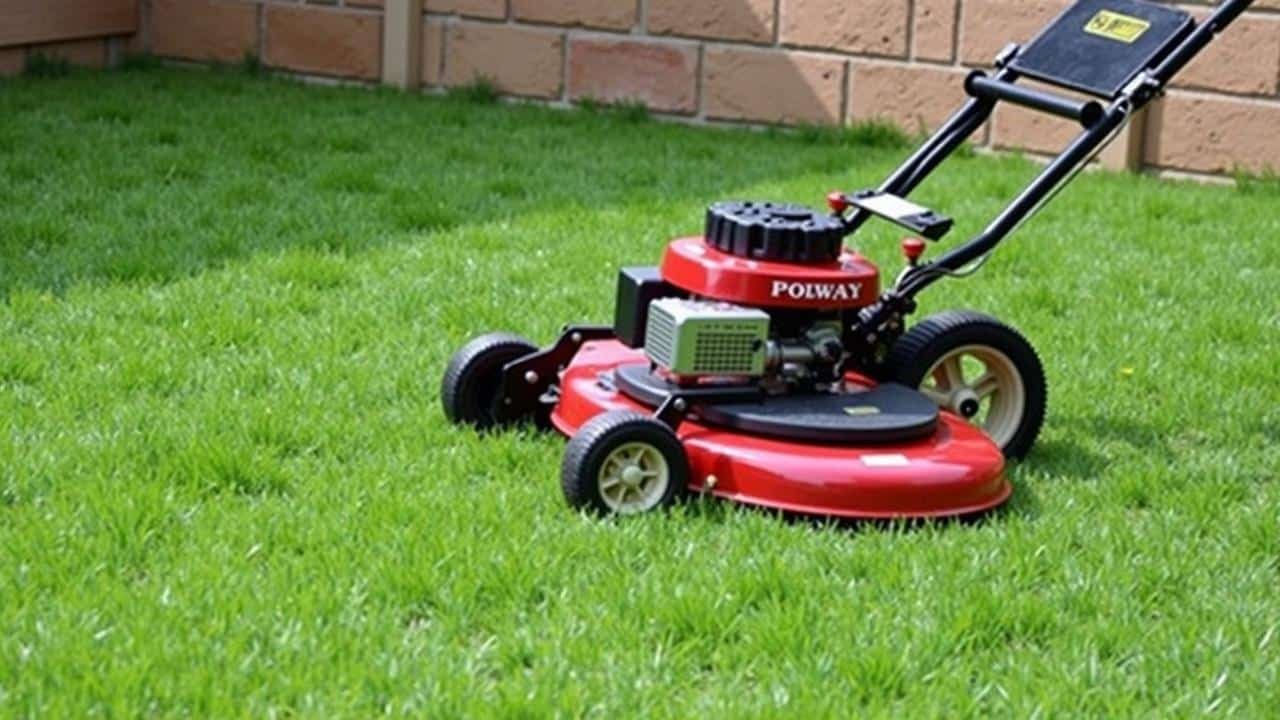
For many homeowners, the weekend ritual of mowing the lawn has long been considered a simple chore—a way to keep their gardens neat and enjoy a sense of accomplishment. However, a new regulation now prohibits mowing lawns between noon and 4 p.m. in 24 departments, a rule that has sparked confusion, frustration, and debate among residents and gardeners alike.
While the measure is framed as an effort to protect public health, wildlife, and urban well-being, many citizens are struggling to adjust their routines to comply with the law. This article explores the rationale behind the rule, the challenges it creates, and practical ways to navigate this new landscape of lawn care.
Understanding the New Regulation
The recent decree, implemented across 24 departments, sets strict guidelines: homeowners, landscapers, and municipal services are forbidden from mowing lawns, trimming grass, or operating noisy garden machinery between the hours of 12 p.m. and 4 p.m..
Authorities cite multiple reasons for the rule:
- Reducing Heat Exposure Risks: Midday hours often coincide with the hottest part of the day. Lawn mowing and other outdoor labor can expose individuals to heat stress, dehydration, and sunstroke, particularly in summer months.
- Protecting Wildlife: Birds, insects, and small animals are often most active during early afternoon hours. Limiting lawn mowing during these times helps reduce disruption to local ecosystems, including nesting and feeding patterns.
- Minimizing Noise Pollution: Noise from lawn mowers, trimmers, and leaf blowers can be particularly intrusive during lunch hours, when neighbors may rest or work from home. Restricting mowing to early morning or late afternoon reduces public disturbance.
Why Noon to 4 P.M. Was Chosen
Experts explain that noon to 4 p.m. coincides with the peak heat and sun intensity, when both human health and environmental considerations are most relevant.
- Temperature Peaks: In many regions, the combination of heat, sun, and exertion poses a real risk for heatstroke, dehydration, and fainting. Even a routine 30-minute mowing session can become dangerous.
- Wildlife Activity: Pollinators such as bees and other insects often forage heavily during these hours. Birds may be feeding fledglings or maintaining nests. Reducing human activity in yards can protect these crucial natural behaviors.
- Noise Sensitivity: Surveys show that mid-day noise has a stronger impact on stress and work concentration, especially in densely populated neighborhoods where people may be working remotely.
By aligning the ban with these hours, lawmakers aim to maximize protection while allowing flexibility for early morning or evening yard care.

How Homeowners Are Reacting
Reactions to the rule have been mixed, ranging from support among environmentally conscious citizens to frustration among busy families.
Frustration with Scheduling
Many residents are accustomed to mowing their lawns during lunch breaks or early afternoon on weekends. Now, they must shift their schedules:
- Some homeowners struggle to mow before 12 p.m., especially if work or family commitments interfere.
- Evening mowing is an option, but temperatures may still be high during summer months.
- Landscapers and gardening services must adjust appointments, which may increase costs or limit availability.
Confusion About Enforcement
The regulation raises practical questions:
- How strictly will it be enforced?
- Are electric mowers treated differently from gas-powered ones?
- What penalties exist for non-compliance?
Local authorities have stated that first-time violations may result in warnings, while repeated offenses could incur fines. However, enforcement may vary by department.
Environmental and Health Benefits
Despite the inconvenience, experts emphasize that the rule has clear benefits for both public health and the environment:
1. Protecting Human Health
Mowing lawns during peak heat can contribute to heat exhaustion or heatstroke. By restricting activity to cooler hours:

- People are less likely to suffer heat-related illnesses
- Hydration can be better maintained
- Families with children and pets are safer during lawn care
2. Supporting Biodiversity
Lawns may seem uniform and artificial, but they are ecosystems hosting insects, birds, and small mammals. Mowing during active hours can:
- Disrupt feeding and mating patterns
- Kill or injure ground-nesting insects and birds
- Reduce pollination efficiency for flowering plants
Restricting mowing allows wildlife to thrive during critical periods of daily activity.
3. Reducing Noise Pollution
Lawns mowed during peak hours generate excessive noise, disturbing neighbors, telecommuters, and students. By shifting mowing to early morning or late afternoon:
- Noise is less intrusive
- Community tension may decrease
- Outdoor spaces feel more peaceful
Strategies for Compliant Lawn Care
Homeowners can adapt to the rule without sacrificing garden maintenance by considering the following strategies:
1. Mow Early Morning
Mowing before 12 p.m. allows:
- Cooler temperatures for comfort and safety
- Compliance with regulations
- Opportunity to enjoy a quiet, peaceful garden
2. Mow Late Afternoon or Early Evening
After 4 p.m., temperatures may have dropped, reducing heat stress. This also allows for:

- Flexibility for work schedules
- Reduced noise disruption
- Less interference with wildlife activity
3. Use Quieter Equipment
Electric or battery-powered mowers generate less noise and are less intrusive than gas-powered machines, further reducing disturbance.
4. Consider Lawn Alternatives
In some cases, homeowners may choose to reduce mowing frequency or implement low-maintenance landscaping techniques:
- Planting groundcovers or wildflowers instead of traditional lawns
- Installing artificial turf for high-traffic areas
- Allowing natural grasses to grow taller during mid-day hours to provide shelter for insects
Impact on Landscaping Services
Professional landscapers must adjust operations to comply with the new regulation. Potential consequences include:
- Increased demand for early morning and evening appointments
- Shorter windows for lawn maintenance in the hottest months
- Changes in staff schedules and work rotations
- Higher service costs due to restricted availability
Despite the challenges, many landscapers support the rule, emphasizing the long-term benefits for clients and the environment.
Legal Considerations
The ban is enforced at the departmental level, meaning that 24 departments across the country have incorporated this rule into local ordinances. Key legal points:
- Fines may be imposed for repeated violations
- First-time offenders may receive warnings
- Residents should verify specific guidelines for electric vs. gas-powered equipment
Municipal websites and local councils often provide detailed FAQs to help residents understand compliance requirements.

Broader Implications
This new rule reflects broader trends in urban planning and environmental awareness:
- Urban Wildlife Conservation: Cities are increasingly recognizing the importance of protecting local biodiversity. Simple measures like restricting mowing during certain hours can make a tangible difference.
- Community Well-being: Reducing midday noise and pollution contributes to mental health, especially in densely populated areas.
- Climate and Health Adaptation: With rising temperatures due to climate change, measures that limit heat exposure during outdoor work are likely to become more common.
This regulation may serve as a model for future policies balancing human activity, health, and ecological considerations.
Practical Tips for Residents
- Plan Weekend Chores: Schedule mowing sessions before noon or after 4 p.m.
- Monitor Weather: Avoid extreme heat, even during permitted hours.
- Use Efficient Equipment: High-quality mowers reduce noise and cut time.
- Communicate with Neighbors: Coordinating mowing times can help avoid conflicts and complaints.
- Explore Low-Maintenance Lawns: Consider grasses or landscaping that require less frequent mowing.
By incorporating these practices, homeowners can comply with the law while maintaining beautiful, healthy lawns.
Conclusion
The new regulation prohibiting lawn mowing between 12 p.m. and 4 p.m. in 24 departments may initially feel like an inconvenience, but it reflects a careful balance of public health, environmental conservation, and community well-being.
While homeowners, landscapers, and gardeners must adapt their routines, the benefits include:
- Safer conditions for people during the hottest hours of the day
- Reduced noise pollution
- Protection for wildlife and ecosystems
Adapting to the rule requires planning, flexibility, and perhaps a rethink of traditional lawn care habits. By embracing early morning or late afternoon mowing, using quieter equipment, and considering low-maintenance landscaping, residents can comply with the law without sacrificing their garden’s health or beauty.

In the long term, this rule highlights the importance of community awareness, environmental responsibility, and sustainable living practices. While it may be “bad news” for those accustomed to leisurely afternoon lawn care, it represents a positive step toward safer, quieter, and greener neighborhoods.