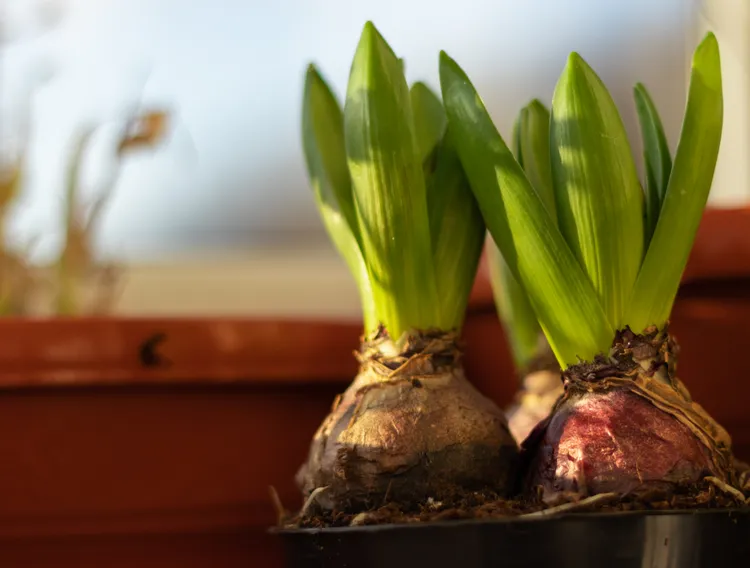
Spring may feel far away, but the secret to a colorful, vibrant garden is what you do indoors right now. Many of the most breathtaking spring flowers come from bulbs that benefit greatly from an early indoor start. By planting them inside during winter, you give them time to develop strong roots, ensuring earlier, larger, and more reliable blooms when spring finally arrives.
Starting bulbs indoors also protects them from unpredictable winter weather, pests, and soil problems, giving you complete control over their growing conditions. If you want a garden bursting with color the moment warm weather returns, these eight bulbs deserve a place in your winter planting plan.
Why Start Flower Bulbs Indoors?
Bulbs are self-contained storage units, holding all the energy a plant needs to grow. But before they can bloom, they must first establish strong roots. When you plant them indoors during winter, you provide:
- Stable temperatures
- Consistent moisture
- Protection from frost and rodents
- A head start on growth
By the time spring arrives, your bulbs are already prepared to explode into bloom.
1. Tulips
Tulips are iconic spring flowers, but they require a cold period to bloom properly. By chilling tulip bulbs in the refrigerator for 10–12 weeks and then potting them indoors, you can force beautiful blooms weeks earlier than outdoor planting.

Choose a well-draining potting mix and plant bulbs with their pointed ends facing up. Keep them cool and dark until shoots appear, then move them into bright light.
2. Daffodils
Daffodils are extremely reliable and perfect for indoor forcing. They tolerate a wide range of conditions and reward you with cheerful yellow, white, or orange flowers.
Plant daffodil bulbs in deep pots so their roots have room to grow. Keep the soil slightly moist and allow them to chill before bringing them into warmth.
3. Hyacinths
Hyacinths are prized for their intense fragrance and thick flower spikes. They also force easily indoors.
Plant them in pots or special hyacinth glasses. After a cold treatment, place them in bright light and watch as sturdy stems and richly scented blooms emerge.

4. Crocus
Crocus flowers are among the earliest signs of spring. Their small size makes them ideal for indoor containers.
Plant crocus bulbs close together for a dramatic display. Once they bloom, you can transplant them outdoors to continue growing year after year.
5. Grape Hyacinths (Muscari)
These tiny bulbs produce clusters of blue, purple, or white flowers that look like miniature grapes.
They force very well indoors and pair beautifully with tulips or daffodils in mixed containers.
6. Snowdrops
Snowdrops are delicate, nodding white flowers that symbolize the end of winter. They thrive when started indoors and brought into warmth after chilling.

Their early blooms provide valuable nectar for pollinators.
7. Paperwhites
Unlike most bulbs, paperwhites don’t need chilling. You can plant them in pebbles or soil and enjoy fragrant white blooms in just a few weeks.
They’re perfect for windowsills and holiday décor.
8. Anemones
Anemones grow from small corms rather than true bulbs, but they are just as easy to start indoors. Soak corms overnight before planting to speed germination.
Their bright, poppy-like flowers bring stunning color to early spring gardens.

How to Plant Bulbs Indoors
Use pots with drainage holes and a loose, well-draining potting mix. Plant bulbs at a depth about two to three times their height. Water thoroughly and place them in a cool, dark place for their chilling period.
Once shoots appear, move the pots into bright, indirect light.
Caring for Indoor Bulbs
Keep soil slightly moist but never soggy. Rotate pots for even growth and avoid placing them near heat vents or radiators.
After flowering, many bulbs can be transplanted outdoors for future blooms.
Final Thoughts
Starting bulbs indoors is one of the most rewarding winter gardening projects you can do. While the world outside is cold and gray, you’ll be nurturing the promise of spring right on your windowsill.

With these eight bulbs growing indoors, you’ll be greeted by waves of color, fragrance, and beauty long before most gardens wake up