When winter arrives, houseplants face their toughest season. Shorter days, weaker sunlight, cold windows, and dry indoor air all work together to slow growth and stress even the healthiest plants. Many houseplants that thrived all summer suddenly begin to yellow, droop, or stop growing altogether — not because you’re doing something wrong, but because their environment has changed.
The good news is that with a few simple adjustments, you can keep your houseplants strong, green, and happy all winter long. Here are seven proven ways to help your indoor plants survive and even thrive in low winter light.
1. Move Plants Closer to Windows
Light levels drop dramatically in winter. Even a bright room can become too dim for plants that rely on sunlight to make energy.
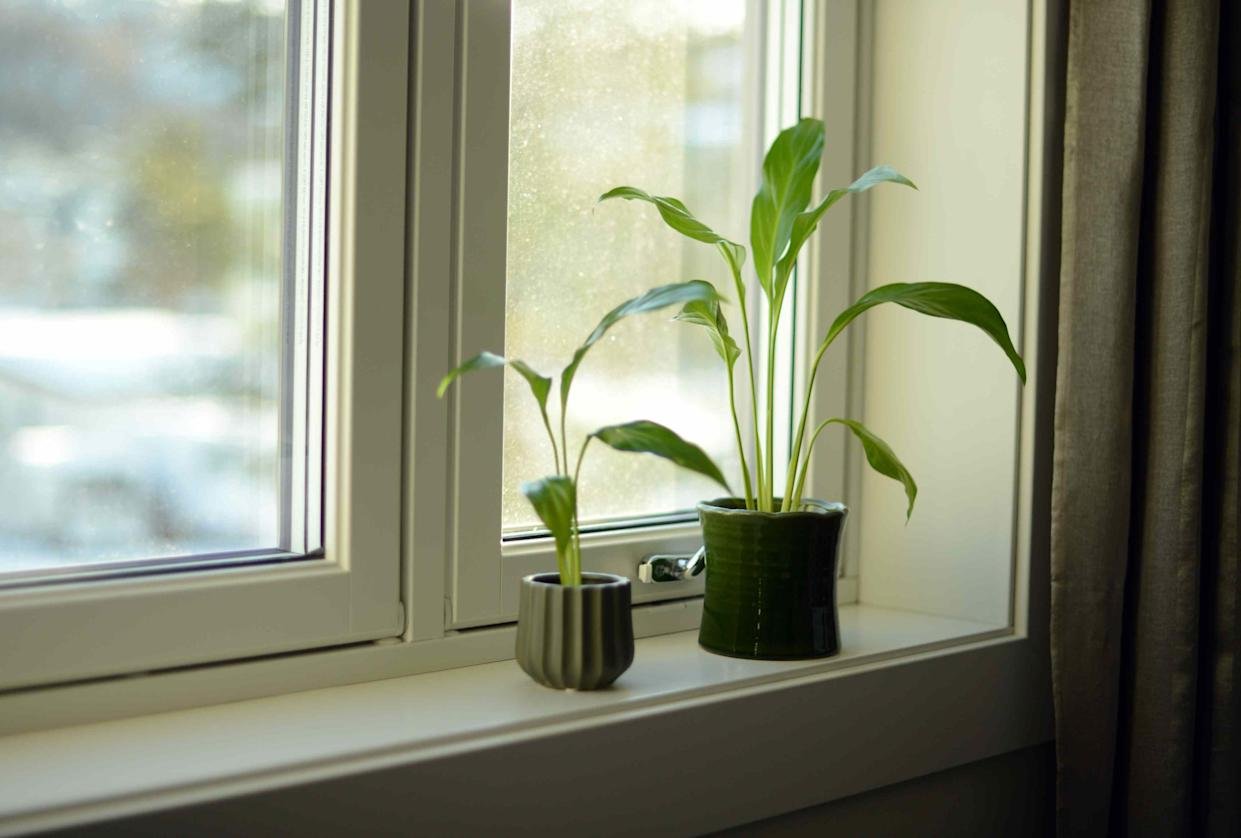
Move your plants closer to windows, especially those facing south or west. A plant that was comfortable six feet from a window in summer may need to be within two feet in winter.
Clean the glass and remove heavy curtains during the day to let in as much light as possible. Every extra ray makes a difference.
2. Rotate Plants Regularly
Winter sunlight comes in at a lower angle, meaning one side of your plant often receives more light than the other. This can cause uneven growth and leaning.
Rotate your plants about a quarter turn every week. This ensures all sides get light and helps maintain a balanced, upright shape.
Even slow-growing plants benefit from this simple habit.
3. Reduce Watering
Plants grow more slowly in winter, which means they use less water. Overwatering is one of the biggest winter mistakes.
Always let the top inch or two of soil dry before watering again. Roots sitting in cold, wet soil are prone to rot.

Use your finger or a moisture meter to check the soil rather than watering on a fixed schedule.
4. Keep Leaves Clean
Dust blocks light from reaching leaf surfaces. In winter, when light is already scarce, even a thin layer of dust can significantly reduce photosynthesis.
Wipe leaves with a damp cloth every few weeks. Not only does this help plants absorb more light, it also prevents pests and keeps foliage looking fresh.
5. Increase Humidity
Indoor heating dries the air, which can stress tropical plants. Low humidity causes brown leaf tips and curling.
To raise humidity:
- Use a humidifier
- Group plants together
- Place a tray of water near plants
- Mist leaves occasionally
Moist air helps plants stay hydrated and photosynthesize more efficiently.
6. Avoid Fertilizing Too Much
Most houseplants go semi-dormant in winter. Feeding them heavily can lead to weak, leggy growth.
Stop fertilizing or reduce it to once every 8–10 weeks until spring returns.
Plants don’t need extra nutrients when light is limited.
7. Use Grow Lights If Needed
If your home has limited natural light, a simple grow light can make a huge difference. Modern LED grow lights are energy-efficient and easy to use.
Place lights 6–12 inches above plants and run them for 10–12 hours a day. This provides the energy plants need to keep producing healthy leaves.
Why Winter Light Matters So Much
Light is food for plants. Without enough of it, they can’t create the energy needed to grow, repair tissue, or fight off disease. By maximizing light and reducing stress, you help your plants conserve energy until spring.
Final Thoughts
Winter doesn’t have to mean struggling houseplants. By adjusting light, water, and humidity, you can create a comfortable environment that supports healthy growth all season long.
With these seven simple strategies, your plants won’t just survive winter — they’ll be ready to burst into new growth when spring arrives