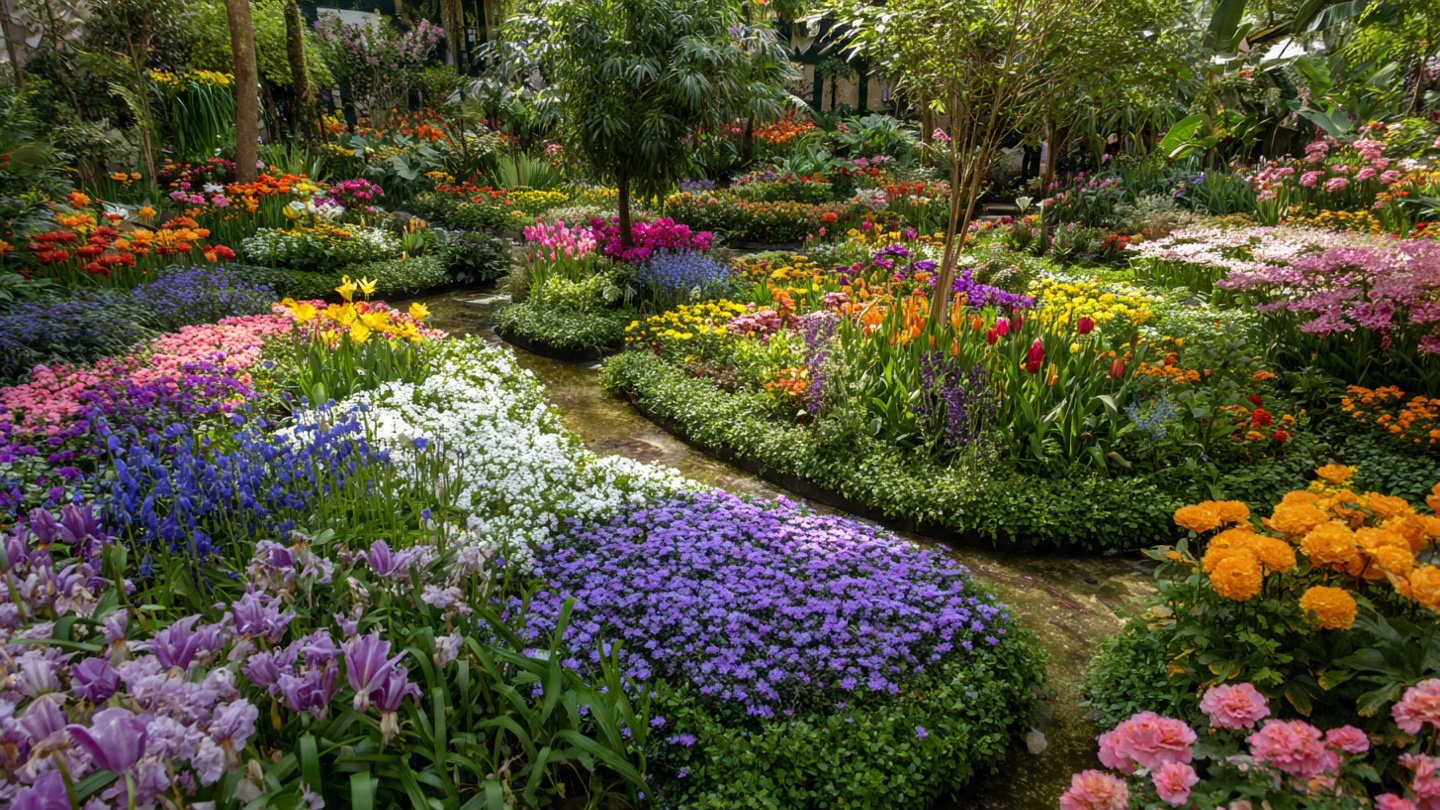
Creating a garden is much like painting on a canvas; it requires a blend of colors, forms, and textures to achieve a masterpiece. One of the most effective ways to enhance the visual appeal of your garden is by incorporating a variety of flower shapes. Whether you prefer delicate blooms, bold blossoms, or quirky flora, embracing diversity can lead to remarkable benefits for both your garden and personal enjoyment. This article explores why you should consider a mix of different flower shapes in your garden.
1. Aesthetics and Visual Interest
One of the primary reasons to include different flower shapes in your garden is enhancing its aesthetic appeal. A garden filled with a single type of flower can quickly become monotonous. By incorporating various shapes—round, tubular, flat, and spiky, for example—you can create a dynamic landscape that draws the eye and invites exploration. The contrast in shapes can evoke a sense of rhythm and movement, making the space more engaging.
2. Ecological Benefits
Diverse flower shapes attract a wide range of pollinators, such as bees, butterflies, and hummingbirds. Different species of pollinators have preferred flower shapes and sizes. For instance:
- Tubular flowers, like trumpet vines, appeal to hummingbirds with their long, narrow openings.
- Flat flowers, such as daisies, provide easy landing spots for butterflies.
- Open blooms, like sunflowers, attract a variety of bees due to their large, accessible shape.

A diverse garden not only supports a healthy ecosystem but also promotes cross-pollination, which can enhance plant resilience and productivity.
3. Seasonal Interest
Different flower shapes often correspond with varied blooming periods, leading to season-long interest in your garden. Some flowers, like crocus, herald the spring with their delicate and early blooms, while others, such as dahlias, hold the spotlight in late summer and fall with their robust and unique shapes. By combining various flower types, you can ensure that your garden transitions beautifully through each season, maintaining vibrant colors and forms from early spring to late autumn.
4. Companionship in Planting
When planning a garden, it’s essential to consider how different plants interact with one another. Mixing flower shapes allows for beneficial plant companionship, which can deter pests and diseases. For example, tall flowers can provide support and shade for shorter species that may struggle to thrive in direct sunlight. Additionally, planting flowers with varied root depths and structures can minimize competition for water and nutrients, leading to healthier plants overall.
5. Personal Expression and Creativity
A garden is a reflection of personal style and creativity. Different flower shapes can convey different emotions or themes. For instance:

- Rounded blooms, such as peonies, evoke feelings of softness and romance.
- Angular or spiky flowers, like thistles, can offer a more modern or edgy aesthetic.
- Curvilinear shapes, such as orchids, can add an exotic flair.
By experimenting with various forms, you can create a garden that tells your unique story and brings joy to those who experience it.
6. Attracting Beneficial Insects
Insects play a crucial role in maintaining a balanced garden ecosystem. A mix of flower shapes can attract beneficial insects that help with pest control. For example, ladybugs are drawn to flat flowers where they can easily perch and find aphids to feed on. Additionally, certain flower shapes provide habitats for predatory insects, which can help reduce harmful pest populations naturally.
7. Improving Soil Health
Different plant shapes can influence soil structure and health, which is vital for overall garden success. Flowers with extensive root systems can help aerate the soil, while others may contribute to soil fertility through their decomposing foliage. A mix of perennial and annual flowers can also ensure that your garden maintains soil quality year after year.

8. Accessibility and Use of Space
A diverse garden allows you to utilize space effectively. Taller flower species can be planted at the back of a border, while shorter varieties are ideal for the front. This tiered approach creates depth and ensures that all your plants receive adequate sunlight. Additionally, varying flower shapes can fill empty spaces, making even small gardens feel fuller and more vibrant.
9. Educational Opportunities
Gardening provides valuable learning experiences, especially for children. A garden featuring various flower shapes can serve as an outdoor classroom. It can teach the importance of biodiversity, the life cycles of plants, and the role of insects in our environment. Observing how different shapes attract different pollinators can ignite curiosity and encourage a love for nature.
Conclusion
Incorporating a mix of different flower shapes can elevate your garden from a simple patch of plants to a thriving ecosystem bursting with life, color, and interest. The blend of aesthetics, ecological benefits, and personal expression melds to create a space that is not only beautiful but also supportive of biodiversity, nutrition, and learning. By embracing variety in flower shapes, you’re not just cultivating a garden—you’re fostering an environment that enhances the well-being of your local ecosystem and enriches your personal experience.
FAQs
1. How do I choose which flower shapes to include in my garden?

Consider your garden’s climate, available sunlight, soil conditions, and your personal aesthetic preferences. Research different flower types to find ones that will thrive together.
2. Are there specific flower shapes that are better for attracting pollinators?
Yes, tubular flowers attract hummingbirds, while flat flowers lure butterflies and bees due to their accessible landing spots.
3. Can I mix perennials and annuals in the same garden bed?
Absolutely! Mixing perennials and annuals can create a diverse and colorful garden throughout the seasons, as annuals provide immediate blooms while perennials offer long-term growth.
4. How can flower shapes impact garden maintenance?

Diverse flower shapes can influence watering and nutrient needs. Taller flowers may require different care compared to shorter varieties, so plan accordingly to ensure each type thrives.
5. What are some examples of flowers with unique shapes to include in my garden?
Some examples include:
– Tulips (cup-shaped)
– Snapdragons (spiky)
– Lotus (flat)
– Lilly (funnel-shaped)
– Dahlias (rounded and layered)