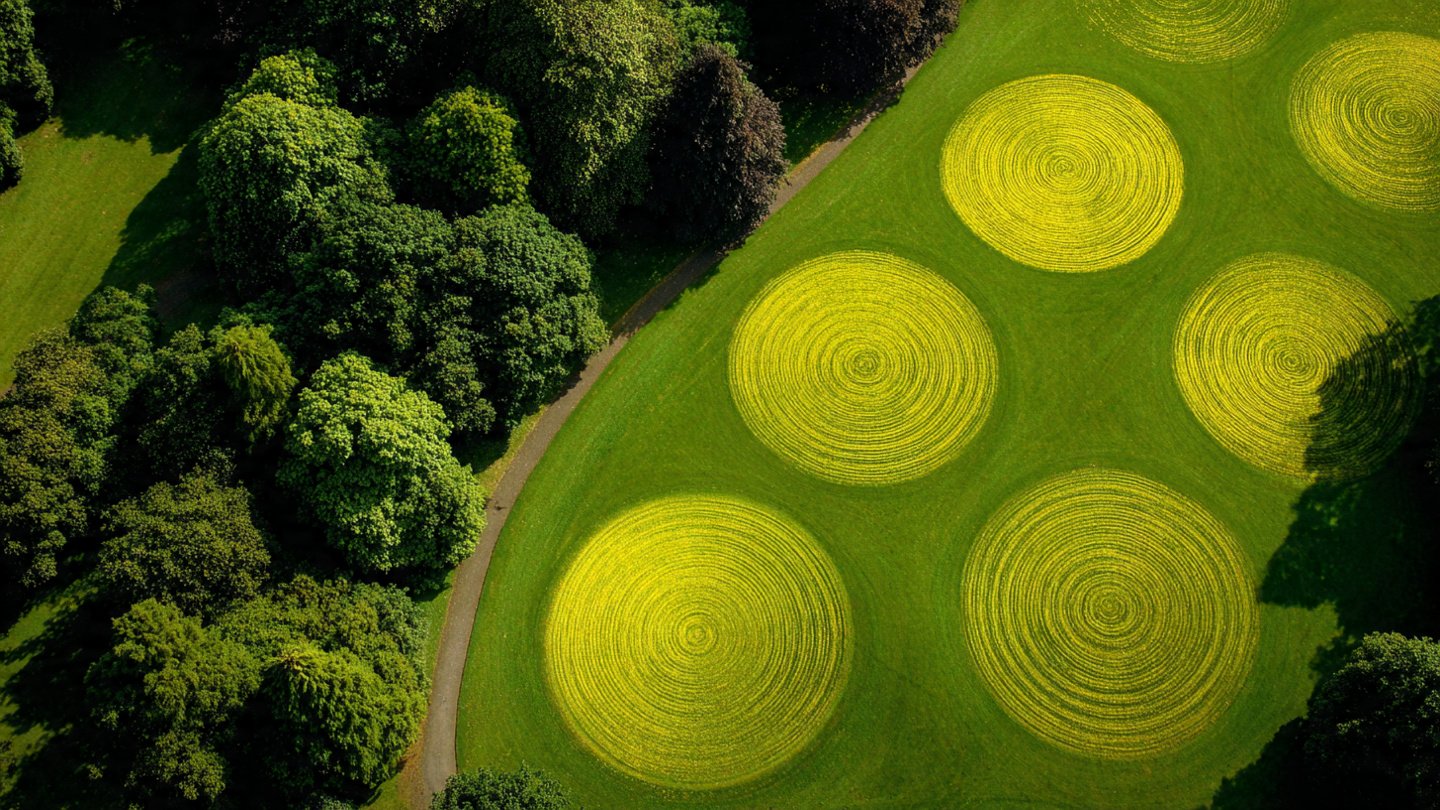
Have you ever walked out into your yard only to find patches of yellow grass arranged in perfect circles? This phenomenon can be alarming, leaving homeowners puzzled and concerned about the health of their lawns. It may seem like a mysterious ailment, but understanding the cause behind these distinctive yellow patches is crucial for effective lawn care and maintenance.
Understanding the Symptoms
Before diving into the hidden causes, it’s essential to identify the symptoms accurately. Yellowing grass in circular patterns is often characterized by:
- Bright yellow patches, sometimes appearing brown or dry on the edges.
- Distinct circular shapes that can vary in size.
- Grass inside the circles may look healthier and greener compared to the yellowed patches.
The Common Culprit: Fungal Diseases
One of the leading causes of lawn yellowing in circular formations is fungal infections, most notably a disease known as fairy ring. This condition occurs when certain types of fungi infest the soil, thriving on organic matter and grass roots, resulting in yellowing grass.
Fairy rings can be classified into three types:

- Type 1: Fungal Growth: This is characterized by a dark green ring of grass due to increased nutrient availability followed by a yellow or dead patch.
- Type 2: Dead Patches: A ring of dead or yellow grass caused by the toxins released by the fungal mycelium.
- Type 3: Mushrooms: Often, the visible manifestation of this condition includes mushrooms that sprout in rings.
Other Potential Causes
While fungal diseases are the most common reason for yellow circular patches, other issues can also lead to similar symptoms. Let’s explore some of them:
Nutrient Deficiencies
Greener patches of grass may indicate that the soil in those areas is more fertile than others. A lack of essential nutrients such as nitrogen can contribute to yellow patches. Assessing and amending any deficiencies through soil tests can help restore balance.
Pest Infestation
Insects such as grubs or nematodes may burrow beneath the lawn surface, leading to dying grass. Their activity can cause circular patches, particularly if they are more concentrated in certain areas.
Watering Issues
Overwatering or underwatering can also result in yellowing grass. Inconsistent moisture levels can stress certain patches, leading to circular yellowing. It’s important to establish a regular watering schedule to prevent this issue.

Soil Compaction
Lawns that experience heavy foot traffic or lack aeration can develop compacted soil, resulting in poor air and water circulation. This can lead to localized stress on grass, causing yellow patches and circles.
How to Diagnose the Problem
Once you’ve identified the symptoms, diagnosing the specific issue will lead to effective solutions. Here are some steps to help you determine the cause:
- Examine the Soil: Conduct a soil test to check nutrient levels and pH. This will help you determine if nutrient deficiencies are contributing to yellow patches.
- Check for Pests: Inspect your lawn for signs of insect activity. Digging small holes in the affected areas can reveal pests like grubs.
- Evaluate Watering Practices: Ensure that you’re watering consistently. It’s best to water deeply and less frequently to encourage deep root growth.
- Look for Fungi: If you notice mushrooms or other fungal growths, it might be time to address a possible fairy ring infection.
Remedies and Treatments
Once you understand the underlying cause, addressing the issue becomes more manageable. Here are some treatments for the common causes:

For Fairy Rings:
- Remove the Fungal Growth: Rake the area to remove visible mushrooms and any debris that may serve as food for the fungi.
- Improve Drainage: Improving soil drainage may help hinder fungal growth.
- Aerate the Lawn: Aeration can help alleviate any compacted soil, allowing grass to thrive.
For Nutrient Deficiencies:
- Fertilization: Use a balanced fertilizer to replenish missing nutrients in the soil.
- Organic Matter: Adding compost can enrich the soil and support healthy grass growth.
For Pests:
- Nematodes & Grubs: Apply appropriate insecticides targeting these pests. Always follow application guidelines.
- Encourage Beneficial Insects: Planting flowers can attract beneficial insects that prey on harmful pests.
For Water Issues:
- Adjust Watering Schedule: Water less frequently but more deeply to encourage stronger root systems.
- Check Sprinklers: Ensure that your irrigation system is distributing water evenly across your lawn.

For Soil Compaction:
- Aeration: Regularly aerate your lawn to relieve compaction, promoting better root growth and water absorption.
- Limit Traffic: Where possible, reduce foot traffic in specific areas to prevent further compaction.
Conclusion
Yellowing grass in circular patches can be a concerning sight for any homeowner. However, understanding the potential causes allows for effective diagnosis and treatment. Whether it’s a result of fungal infections, nutrient deficiencies, pest infestations, watering issues, or soil compaction, addressing the underlying problems will restore your lawn to its lush green glory. Regular maintenance, including soil testing, appropriate watering, and pest control measures, will not only prevent future occurrences but also enhance the health of your lawn in the long run.
FAQs
1. Can fairy rings be completely eliminated?
While you can’t completely eradicate fairy rings, you can manage them through proper lawn care, such as aeration, removal of organic debris, and improving drainage.
2. How often should I fertilize my lawn?

A general rule is to fertilize every 6-8 weeks during the growing season. However, specific needs may vary based on soil tests, grass type, and local climate.
3. Can I use home remedies for lawn pests?
Yes, many homeowners find success with homemade pest repellents using ingredients like neem oil or soap solutions for controlling pests.
4. What are the signs of soil compaction?
Signs of compacted soil include poor drainage, difficulty digging or pushing in stakes, and a lack of growth in specific areas.
5. Is it normal for some areas of my lawn to be greener than others?
Yes, it’s common for lawns to have variations in color due to differences in soil quality, sunlight exposure, and watering. Regular maintenance helps maintain a more uniform appearance.