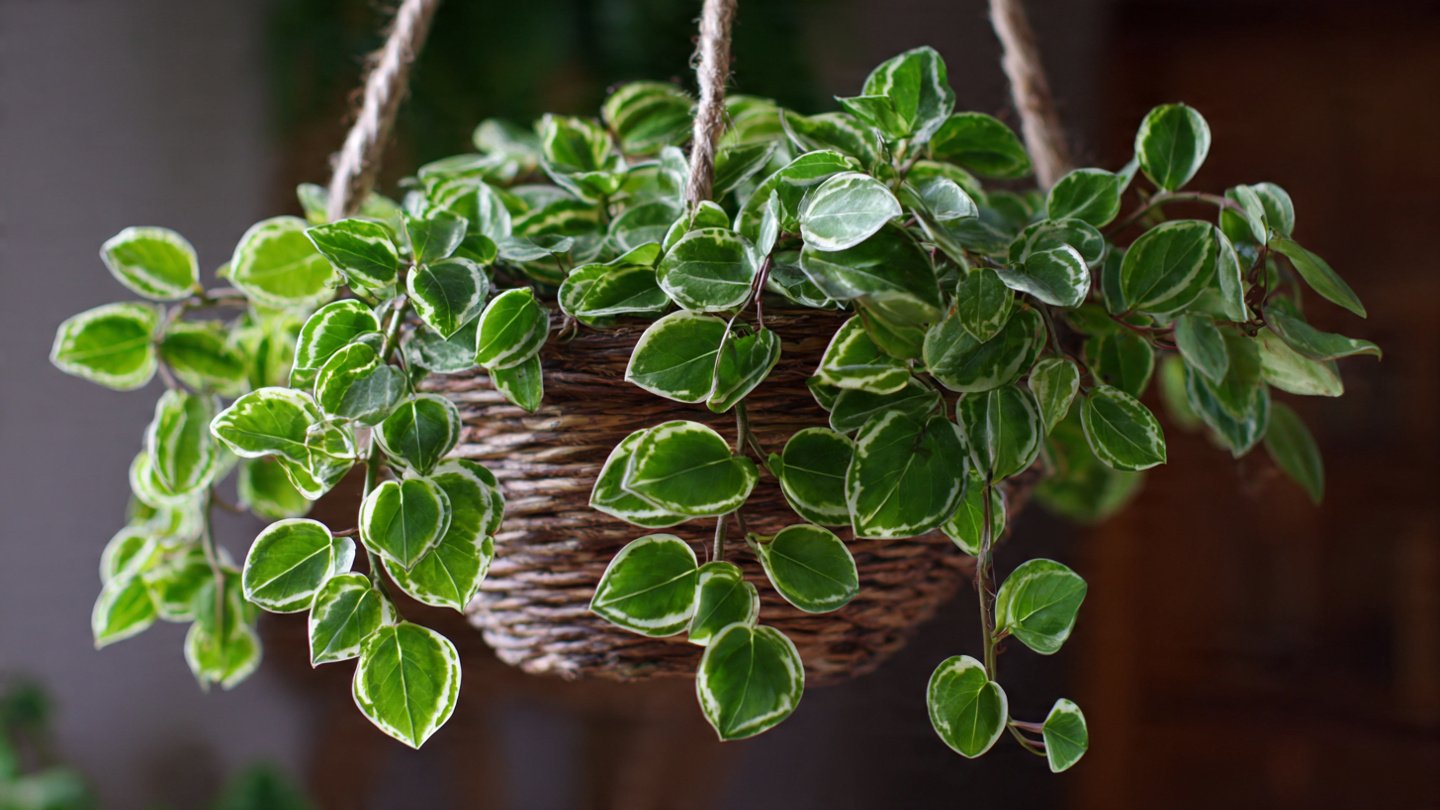
The Hoya plant, often referred to as the wax plant or porcelain flower, belongs to the Apocynaceae family and is renowned for its stunning floral clusters and unique, waxy leaves. With over 200 species, Hoyas exhibit a fascinating diversity in form and color, making them a popular choice among plant enthusiasts. One of the most appealing ways to display these incredible plants is in a hanging basket. This article will delve into why your Hoya is the ideal candidate for such arrangements, discussing its growth habits, care requirements, and aesthetic appeal.
Adaptability and Growth Habit
One of the primary reasons Hoyas excel in hanging baskets is their natural growth habit. Most species are climbing or trailing plants, naturally seeking vertical spaces to anchor themselves. Here are some specific traits that make them perfect for hanging displays:
- Trailing Tendencies: Hoya plants have long, trailing vines that can gracefully cascade over the edges of a hanging basket. This creates a stunning visual effect, especially when the vines are densely leafy.
- Compact Growth: Despite their climbing nature, many Hoya varieties remain compact and manageable, making them suitable for smaller spaces.
- Flexible Light Requirements: Hoyas are adaptable to various light conditions, further enhancing their suitability for indoor and outdoor hanging displays. They thrive in bright, indirect sunlight but can also tolerate lower light settings.
Aesthetic Appeal

The aesthetic value of Hoya plants cannot be overstated. Their unique foliage, combined with stunning blooms, makes them a perfect ornamental addition to any space. Here’s why they shine:
- Vibrant Blooms: Hoyas produce clusters of star-shaped flowers that can be white, pink, or even deep red. These blooms often emit a sweet fragrance, adding to their charm.
- Foliage Variety: With various leaf shapes and colors, including variegated types, Hoyas can enhance the visual appeal of your hanging basket.
- Seasonal Interest: Many Hoyas bloom multiple times a year, ensuring continuous interest and beauty throughout different seasons.
Minimal Maintenance Requirements
Hoyas are known for being low-maintenance plants, making them ideal for both novice and experienced gardeners.
- Watering Needs: Hoyas prefer to dry out slightly between waterings, which reduces the risk of overwatering—a common issue with many houseplants. This trait is especially beneficial when placed in hanging baskets, as excess moisture can lead to root rot.
- Soil Requirements: Hoyas thrive in well-draining soil. A mix that incorporates perlite or orchid bark can provide the perfect environment for these plants in hanging arrangements.
- Pest Resistance: While any plant can become susceptible to pests, Hoyas are generally resilient. They can withstand typical household insects, such as spider mites and aphids, with proper maintenance.

Versatile Display Options
Hanging baskets provide a creative and versatile way to display your Hoyas, allowing for various arrangements that can enhance your décor.
- Indoor Spaces: A Hoya in a hanging basket can beautify a living room, kitchen, or bathroom, adding a lush and tropical feel.
- Outdoor Gardens: When weather permits, hanging Hoyas can also be displayed on porches, patios, or balconies, bringing a vibrant touch to outdoor spaces.
- Combination Displays: Hoyas can be combined with other trailing plants in a single hanging basket to create an eye-catching display of varying textures and colors.
Promoting Healthy Growth
To ensure your Hoya thrives in its hanging basket, consider these care tips:

- Fertilization: Feed your Hoya with a balanced, diluted liquid fertilizer every 4–6 weeks during the growing season to promote optimal growth and flowering.
- Pruning: Regularly pruning your Hoya will encourage bushier growth and more flowers. Trim back any excessively long vines to maintain shape.
- Environment Considerations: Protect your Hoya from cold drafts and extreme temperatures, as they prefer temperatures between 60°F and 80°F (15°C to 27°C).
Conclusion
In summary, Hoyas provide a perfect fusion of beauty and practicality, making them ideal candidates for hanging baskets. With their trailing vines, vibrant flowers, and minimal care requirements, these plants not only enhance the aesthetic appeal of any space but also create an inviting and green atmosphere. Whether you are an experienced gardener or just starting your plant adventure, incorporating Hoyas into your hanging displays promises to be a rewarding experience. Their resilience and adaptability ensure they will thrive in most environments, granting you stunning views for years to come.
FAQs
1. How often should I water my Hoya in a hanging basket?
A Hoya prefers to dry out slightly between waterings. Typically, you should water your Hoya every 1–2 weeks, depending on the humidity and temperature of your environment.

2. Can I use regular potting soil for my Hoya?
While regular potting soil can work, it’s best to use a well-draining mix. Adding perlite or orchid bark can greatly improve drainage and aeration for Hoya roots.
3. Do Hoyas need direct sunlight?
Hoyas prefer bright, indirect sunlight. Too much direct sun can scorch their leaves, so it’s best to place them in a spot where they receive filtered light.
4. How can I promote blooming in my Hoya?
To encourage bloom production, ensure your Hoya is getting enough light, feed it with a balanced fertilizer during the growing season, and provide consistent care. Patience is key, as some varieties may take time to bloom.
5. What should I do if my Hoya’s leaves turn yellow?

Yellowing leaves can be a sign of overwatering, under-watering, or poor light conditions. Check your watering schedule and light exposure to identify the issue.