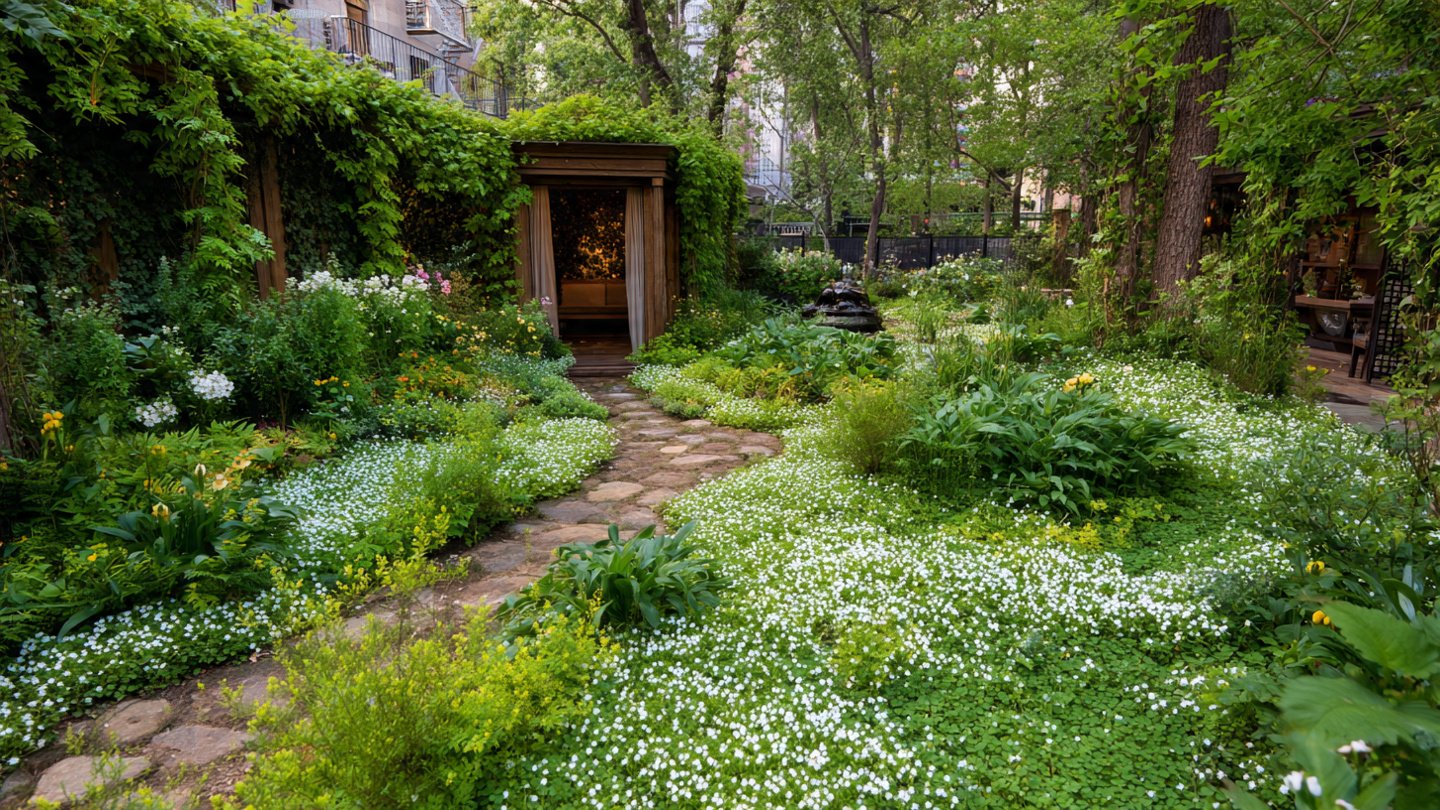
Gardening has seen a remarkable evolution over the years, with various trends rising and falling in popularity. One of the most exciting developments in recent times is the emergence of micro clover as a favored ground cover and lawn alternative. Micro clover, a smaller variety of white clover (Trifolium repens), is transforming gardens and landscapes in ways that traditional turf grasses cannot match. Its rapid rise in popularity can be attributed to a combination of environmental, aesthetic, and practical benefits, making it an appealing choice for gardeners and landscapers alike.
One of the most compelling reasons for the growing interest in micro clover is its environmental advantages. As more people become aware of the ecological impacts of conventional lawn care practices, many are seeking sustainable alternatives. Traditional lawns often require significant amounts of water, fertilizers, and pesticides to maintain their lush green appearance. Micro clover, on the other hand, is a low-maintenance plant that requires far less water and fertilizer. Its deep root system helps it access moisture and nutrients, enabling it to thrive even in drought conditions. This resilience makes micro clover an excellent choice for those looking to reduce their environmental footprint.
The nitrogen-fixing capability of micro clover is another attractive feature. Traditional lawns often rely on synthetic fertilizers to maintain healthy growth, which can lead to nutrient runoff and contribute to soil and water pollution. Micro clover naturally enriches the soil by fixing atmospheric nitrogen, making nutrients available to other plants in the garden. This process not only supports the health of the micro clover itself but also benefits surrounding plants, potentially reducing the need for chemical fertilizers.
Beyond its ecological benefits, micro clover is also gaining traction for its ability to enhance biodiversity in gardens. Traditional lawns, dominated by a single species of grass, tend to lack the variability and richness of more diverse ecosystems. Micro clover supports pollinators by producing small, sweet-smelling flowers that attract bees and other beneficial insects. By incorporating micro clover into gardens, homeowners can create a more vibrant and life-supporting environment, fostering a deeper connection between people and nature.
Another factor driving the popularity of micro clover is its adaptability to diverse growing conditions. Whether in full sun or partial shade, micro clover can establish itself and thrive, providing gardeners with flexibility in terms of planting locations. Its small size and low growth habit make it ideal for tight spaces and areas with high foot traffic, offering a practical solution for urban gardeners who may be dealing with limited space and challenging growing conditions.
The aesthetic appeal of micro clover cannot be overlooked. Its lush green foliage and delicate white flowers create an attractive, soft ground cover that many find visually pleasing. Unlike traditional lawns that can become patchy or brown, micro clover maintains a consistent appearance throughout the seasons, providing an eye-catching backdrop to gardens and landscapes. Moreover, it can be easily integrated into existing landscapes, allowing gardeners to beautify their outdoor spaces without the need for extensive renovations.
Maintenance is another aspect where micro clover shines. Traditional grass lawns often require regular mowing, edging, and aeration to keep them looking their best. In contrast, micro clover has a naturally low height and a self-limiting growth habit, meaning it rarely requires mowing. This not only saves time and labor but also reduces fuel consumption and emissions associated with lawn maintenance equipment. For busy homeowners or those seeking a more relaxed gardening experience, micro clover offers a solution that harmonizes with a more laid-back lifestyle.
Additionally, the financial implications of switching to micro clover are attractive to many gardeners. While the initial cost of purchasing micro clover seed may be higher than that of conventional grass seed, the long-term savings in water, fertilizer, and maintenance are significant. As a self-sustaining crop, micro clover can help homeowners save money while creating a healthy, vibrant landscape. The long lifespan of micro clover also means that once established, it can continue to thrive for years, contributing to significant cost savings in the long run.
The trend toward using micro clover in gardens is also becoming more prominent in permaculture and eco-gardening practices. These philosophies emphasize sustainable living and working with nature to create productive ecosystems. Micro clover aligns perfectly with these principles, providing a nourishing, self-sustaining ground cover that fosters a balanced environment. It plays well with other plants and can help suppress weeds, enabling a more harmonious coexistence among various garden species.
As more gardeners embrace sustainable practices, the demand for eco-friendly solutions like micro clover is likely to continue growing. In addition to improving soil health and supporting local ecosystems, micro clover offers urban gardeners the opportunity to create beautiful, low-maintenance spaces that reflect their values. The trend is particularly attractive to the next generation of gardeners, who are more conscious of their environmental impact and eager to embrace new, innovative approaches.
Micro clover is also being recognized in community gardens and urban landscaping projects. Cities are increasingly seeking ways to enhance green spaces while maintaining environmental sustainability. Micro clover can provide quick ground cover, beautifying neglected areas while supporting city biodiversity. By transforming streetscapes, parks, and community spaces with micro clover, municipalities can foster community engagement and awareness around the importance of ecological gardening practices.
Another trend contributing to the adoption of micro clover is the rise in interest surrounding edible landscapes. Homeowners are increasingly looking to intersperse edible plants within their gardens alongside ornamental varieties. Micro clover’s flowers are not only attractive but can also be consumed, adding a unique culinary aspect to gardens. People can integrate micro clover with other edible plants, creating a dynamic, visually appealing landscape that also yields fresh produce. This dual-purpose functionality has cultivated an interest in using micro clover as part of collective gardening efforts that prioritize both aesthetics and utility.
Despite its many advantages, some might still wonder about the potential downsides of micro clover. While it is generally low-maintenance, it may not be suitable for every situation. Growth can vary based on local climates, soil types, and competing plant species. In specific conditions, like heavy foot traffic or extreme drought, micro clover may face challenges. It’s important for gardeners to consider their specific circumstances and to research local growing conditions before committing to micro clover as a primary ground cover.
Moreover, as micro clover continues to gain traction, it’s imperative that gardeners approach its use mindfully. Though it may naturally suppress weeds, there’s a possibility that it can compete with other plants if not managed properly. Gardeners should aim to create a balance within their ecosystems, ensuring that they are enhancing biodiversity rather than inadvertently favoring one species at the expense of others.
In conclusion, the transformative power of micro clover in gardening lies in its unique ability to merge ecological benefits with aesthetic appeal and practical advantages. As people seek more sustainable living practices, micro clover is leading the charge by offering a low-maintenance, environmentally friendly alternative to traditional lawns. Its contribution to improving soil health, attracting pollinators, and promoting biodiversity only serves to further solidify its reputation as a landscaping powerhouse. As more gardeners begin to recognize the rewards of integrating micro clover into their spaces, the shift toward greener, more sustainable gardens is poised to continue, paving the way for a more vibrant, interconnected relationship between people and the natural world.