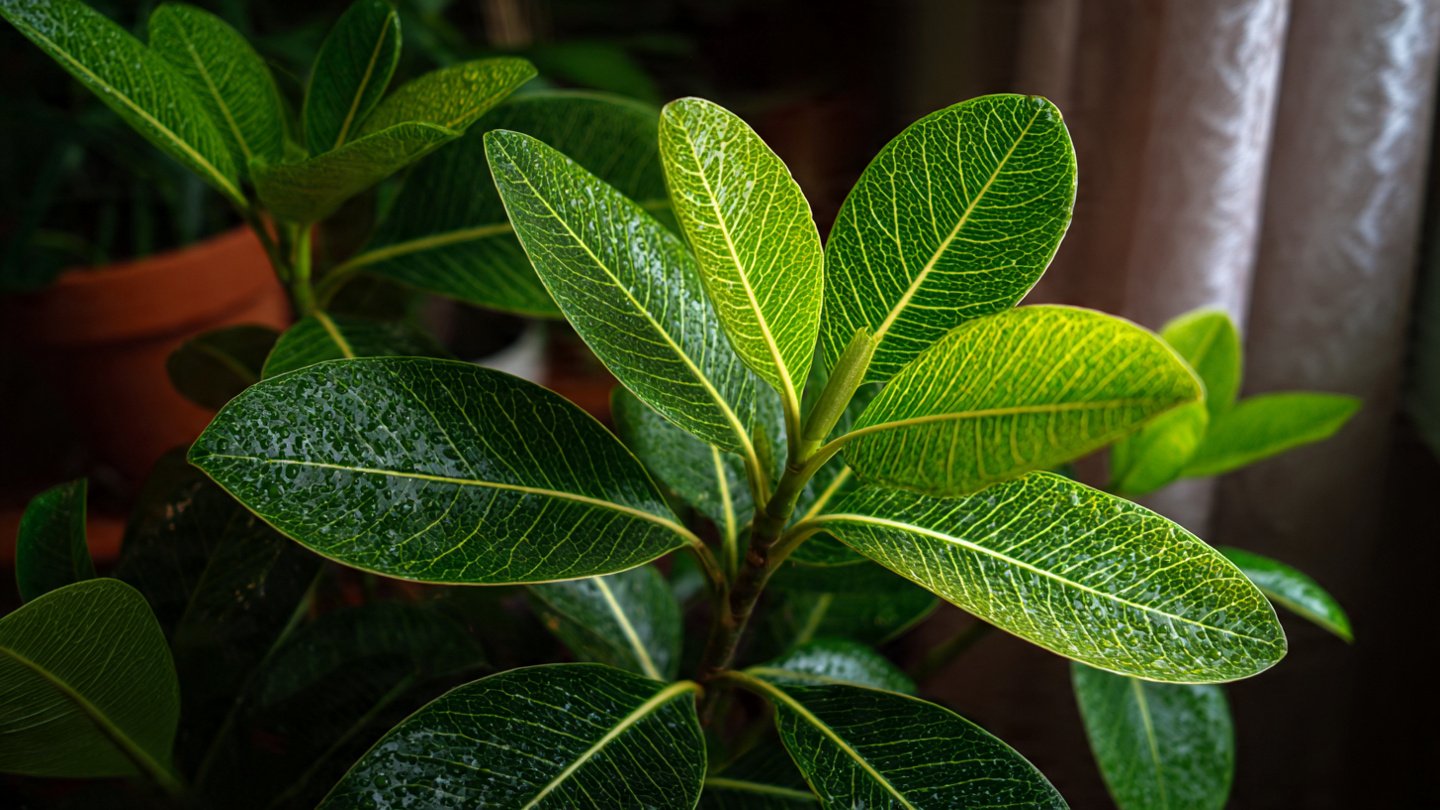
Indoor plants bring life and aesthetics to our homes, but when they stop producing new leaves, it can be both frustrating and confusing for plant owners. Understanding the underlying issues affecting plant growth requires knowledge of various environmental factors. Let’s explore some unexpected reasons why your houseplants may be struggling to grow new leaves.
1. Inadequate Light Conditions
Light is one of the most crucial factors for photosynthesis, which sustains plant life. Different plants require varying amounts of light, and failure to provide the appropriate levels can hinder growth.
- Low Light: Many houseplants are marketed as “low light” tolerant, but even they require some light to thrive. If your plant is in a dimly lit corner, it may be struggling.
- Too Much Direct Sunlight: Conversely, some plants can suffer from leaf scorch if exposed to too much direct sunlight, especially those that prefer filtered light.
- Light Color and Quality: Not all lights are created equal. If you’re using artificial light, ensure it’s suitable for plant growth. LED grow lights can be a good investment.
2. Improper Watering Habits
Watering is another key factor in plant health. Understanding how and when to water is essential for encouraging new leaf growth.
- Overwatering: Over saturated soil can lead to root rot, stifling growth and even killing your plant.
- Underwatering: Conversely, too little water can cause the plant to go into survival mode, leading to halted growth.
- Water Quality: Some plants are sensitive to chemicals found in tap water, such as chlorine and fluoride. Consider using filtered water or collecting rainwater.
3. Nutrient Deficiencies
Plants require a variety of nutrients to thrive, including nitrogen, phosphorus, potassium, and trace minerals. An imbalance can severely impact growth.
- Slow-Release Fertilizers: Using a slow-release fertilizer can help your plants access nutrients over time. Check the type of fertilizer best suited for your specific plants.
- pH Levels: Nutrient availability is often dependent on soil pH. Most indoor plants prefer a slightly acidic to neutral pH (around 6.0 to 7.0).
- Signs of Nutrient Deficiency: Yellowing leaves or stunted growth can be indicators of nutrient deficiency. Regularly check your plants to ensure they’re healthy.
4. Temperature Extremes
Indoor plants are sensitive to temperature fluctuations, which can stress them and prevent new leaf production.
- Consistent Temperature: Most houseplants thrive in temperatures between 65°F and 75°F (18°C to 24°C). Sudden temperature changes can cause shock.
- Cold Drafts: Avoid placing your plants near doors or windows that frequently open or near air conditioning vents, which can create cold drafts.
- Heat Sources: Conversely, keep your plants away from radiators or heat vents, as excessive heat can lead to dehydration.
5. Humidity Levels
Humidity is often overlooked but plays a vital role in plant health, especially for tropical species.
- Ideal Humidity: Most indoor plants prefer humidity levels between 40% to 60%. Use a hygrometer to measure moisture levels in your home.
- Dry Indoor Air: Heating systems can strip moisture from the air, making it too dry for some plants to grow. Consider using a humidifier, especially during winter.
- Grouping Plants: Grouping plants together can create a microclimate with higher humidity, benefiting all the plants in the region.
6. Root Health
The condition of your plant’s roots is directly linked to its overall health and ability to produce new leaves.
- Pest Infestations: Pests like aphids, mealybugs, or root knots can attack roots, impeding nutrient uptake. Regularly examine your plants for signs of pests.
- Pot Size and Soil Quality: Ensure that your plants are in appropriately sized pots with good drainage. Repot if necessary, using fresh, well-draining soil.
7. Seasonal Changes
Plants often react to seasonal changes, especially when it comes to light conditions and temperature.
- Winter Dormancy: Many indoor plants slow down growth or enter a dormancy phase during winter months due to reduced light and cooler temperatures.
- Spring Awakening: As days get longer and temperatures rise in spring, many plants may resume growth. Feeding and watering appropriately in spring can support this process.
Conclusion
Understanding what might be preventing your indoor plants from growing new leaves requires a holistic approach. It’s essential to regularly assess light, water, nutrients, temperature, humidity, and root health. By tailoring conditions to meet the specific needs of your plant species, you can foster an environment that promotes vigorous growth and lush greenery. Remember, healthy plants will not only thrive but will also enhance the atmosphere of your home.
FAQs
1. How often should I water my indoor plants?
Watering frequency varies by plant type and environmental conditions. Generally, it’s best to check the top inch of soil; if it feels dry, it’s time to water.
2. What type of fertilizer should I use?
Choose a balanced fertilizer with equal N-P-K ratios, or opt for one that suits your specific plant type (e.g., flowering, leafy greens).
3. How can I increase humidity for my plants?
Use a humidifier, mist the plants, or place them on trays filled with pebbles and water to create a humid environment.
4. Why are the tips of my plant leaves turning brown?
Browning leaf tips can indicate underwatering or low humidity levels. Assess your watering routine and environmental conditions.
5. Can indoor plants grow in artificial light?
Yes, many indoor plants can thrive under artificial light, especially with proper LED grow lights that provide the necessary spectrum for plant growth.