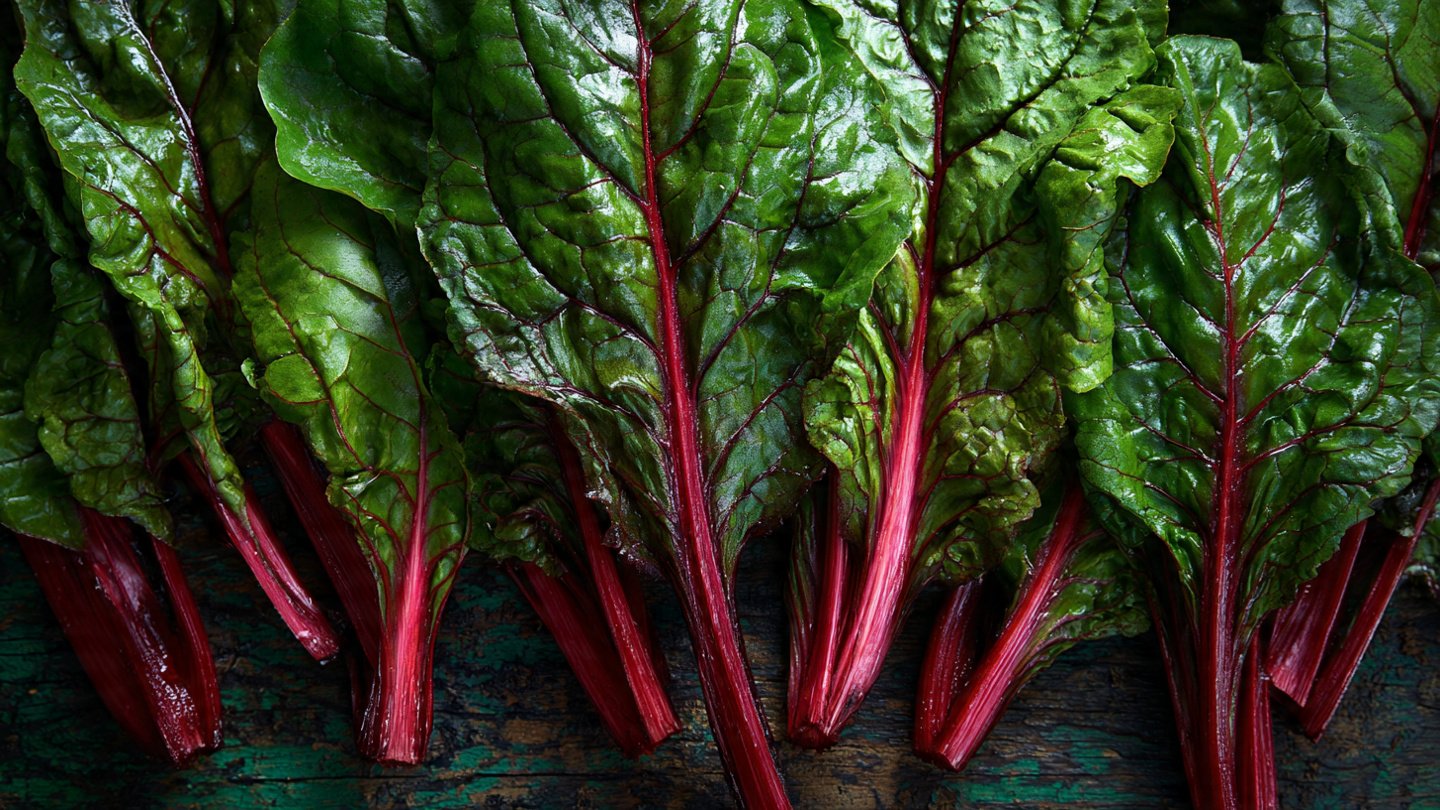
Beet greens, the leafy tops of the beetroot, are not only delicious but also packed with vitamins and minerals. Often overlooked in favor of the root, beet greens provide an excellent source of nutrition, making them a valuable addition to your diet. If you’re interested in growing your own beet greens, understanding the basics of cultivation, nutrient requirements, and harvesting techniques is essential. This article will explore the key elements to produce lush and nutritious beet greens.
Understanding Beet Greens
Beet greens belong to the Chenopodiaceae family, commonly found in temperate climates. The leaves are tender, slightly bitter, and have a hint of sweetness that intensifies as they mature. Rich in vitamins A, C, and K, as well as minerals like calcium and iron, beet greens offer numerous health benefits. They can be enjoyed raw in salads, sautéed, or added to soups and stews.
Soil Preparation
The foundation of growing lush beet greens lies in proper soil preparation. Here are some key considerations:
- Soil Type: Beets prefer well-draining soil with a pH level between 6.0 and 7.0. Sandy loam or loamy soil is ideal.
- Organic Matter: Incorporate compost or well-rotted manure to enrich the soil with essential nutrients and improve its texture.
- Nutrient Testing: Conduct a soil test to determine existing nutrient levels and amend accordingly. Beets thrive with adequate levels of nitrogen, phosphorus, and potassium.

Choosing the Right Variety
While all beet varieties produce greens, some are specifically bred for their leaves. Consider the following when selecting beet varieties:
- Varietal Differences: Some varieties, like ‘Giant Red’ and ‘Golden Detroit,’ offer larger, more nutritious leaves. Others, like ‘Chioggia,’ provide unique flavors and colors.
- Growing Season: Choose varieties suited for your growing season, as some may perform better in cooler climates while others thrive in warmer conditions.
Optimal Growing Conditions
Ensure the optimal growing conditions for your beet greens. Here are some key factors:
- Sunlight: Beet greens require full sun, ideally at least 6 hours of direct light per day.
- Watering: Consistent moisture is essential for healthy growth. Water the plants regularly, ensuring the soil remains moist but not waterlogged.
- Temperature: Beets grow best in cooler temperatures, ideally between 50°F and 75°F. High temperatures can cause bolting, which leads to bitter greens.

Nutrient Management
Nutrient management is crucial in producing lush and nutrient-dense beet greens. Here’s how:
- Fertilization: Use a balanced fertilizer or organic options such as bone meal or fish emulsion. Apply at planting and again midway through the growing season.
- Micronutrients: Ensure sufficient levels of micronutrients like magnesium and iron, which are crucial for leaf health and color.
- Mulching: Apply organic mulch to retain moisture, suppress weeds, and slowly release nutrients into the soil.
Pest and Disease Management
Pest and disease issues can significantly affect the quality and yield of beet greens. Implementing integrated pest management (IPM) strategies can help:

- Monitoring: Regularly inspect plants for signs of pests such as aphids or beet leaf miners.
- Companion Planting: Plant beets alongside carrots or onions to deter pests.
- Organic Pesticides: Utilize neem oil or insecticidal soap if infestations occur.
Harvesting Techniques
Knowing when and how to harvest beet greens is vital for their flavor and nutritional quality:
- Timing: Harvest greens when they are young and tender, usually around 4-6 weeks after planting.
- Methods: Use scissors or garden shears to cut the outer leaves, allowing the inner leaves to continue growing.
- Post-Harvest Handling: Rinse harvested greens in cold water to remove dirt and prolong freshness, and store them in a perforated bag in the refrigerator.
Conclusion

Producing lush and nutritious beet greens requires careful attention to soil preparation, variety selection, growing conditions, nutrient management, pest and disease control, and harvesting techniques. By creating an optimal environment and employing best practices, you can enjoy the rich flavors and health benefits of beet greens in your meals. Whether you’re a novice gardener or a seasoned expert, cultivating beet greens can be a rewarding experience, adding both nutrition and beauty to your garden.
FAQs
1. Can I grow beet greens in containers?
Yes, beet greens can be successfully grown in containers as long as they have adequate drainage and enough space for the roots to develop.
2. How often should I water beet greens?
Water beet greens regularly, ensuring the soil remains consistently moist but not waterlogged. Aim for 1 inch of water per week, adjusting based on rainfall and temperature.
3. What pests should I watch for when growing beet greens?
A common pest is the beet leaf miner. Look out for small brown trails on the leaves. Other pests include aphids and caterpillars, which can also affect plant health.

4. Are beet greens safe to eat raw?
Yes, beet greens are safe to eat raw. They can be added to salads or smoothies. However, they do contain oxalic acid, so those with kidney issues may want to consume them in moderation.
5. How can I preserve beet greens if I have a large harvest?
Beet greens can be blanched and frozen for long-term storage. You can also dehydrate them or make pesto for later use.