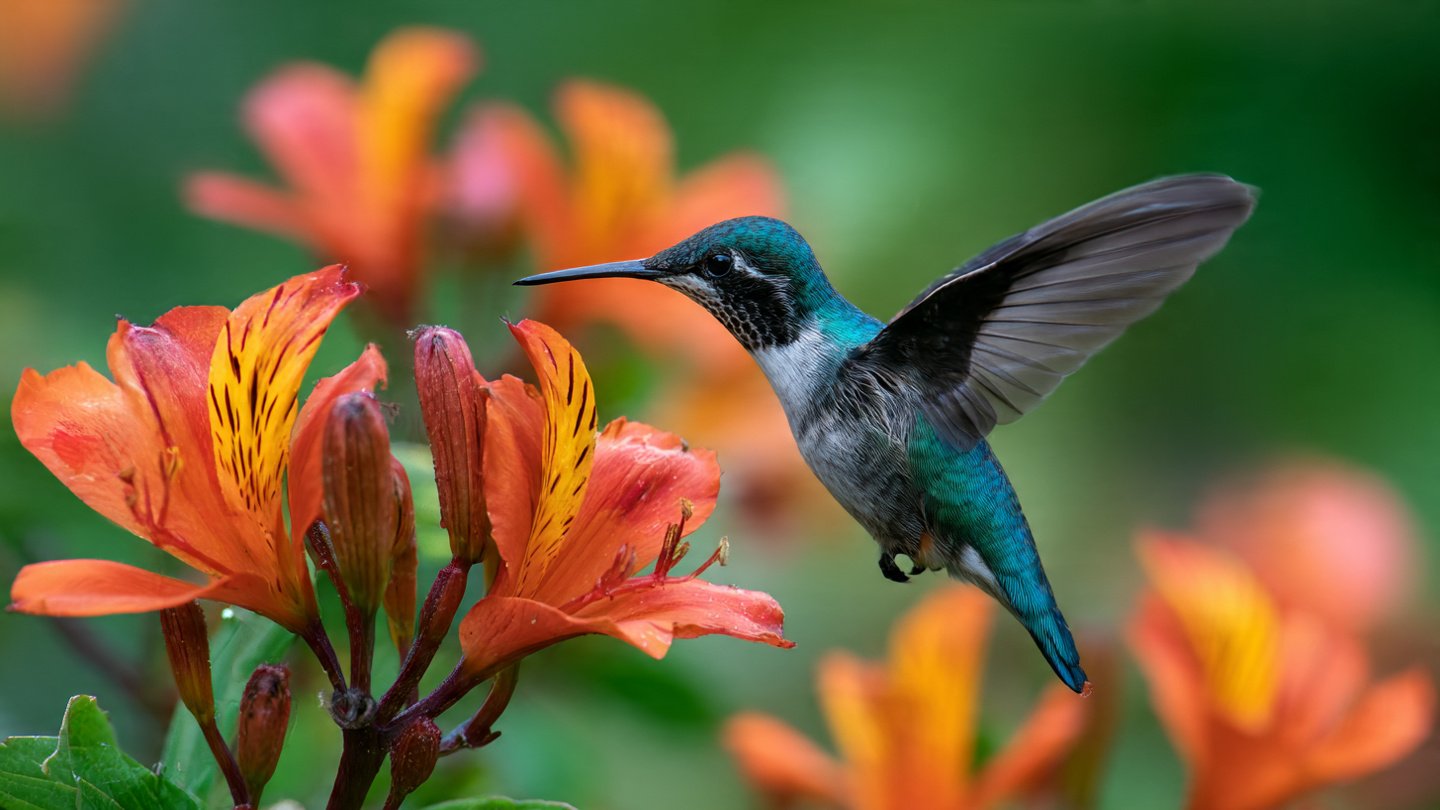
Hummingbirds are fascinating creatures known for their vibrant colors, incredible flying abilities, and most notably, their insatiable appetite for nectar. If you’re looking to attract these beautiful birds to your garden, planting the right flowers is crucial. But which flowers are most effective in drawing in hummingbirds? This comprehensive article explores various plants that are known to entice these tiny avian wonders.
Understanding Hummingbird Preferences
Before diving into specific flowers, it’s essential to understand what attracts hummingbirds. These birds are drawn to:
- Color: Bright and vibrant colors, especially red, orange, and pink, attract hummingbirds. They tend to ignore flowers that are predominantly white or blue.
- Shape: Flowers with tubular shapes make it easier for hummingbirds to access nectar. Hummingbirds hover and insert their long beaks into these shapes.
- Nectar Content: Flowers high in nectar will attract these birds. Hummingbirds require a high-sugar diet, and they can sense nectar concentration.
Top Flowers that Attract Hummingbirds

1. Bee Balm (Monarda)
Bee Balm features bright red, pink, or purple tubular flowers. It not only attracts hummingbirds but also bees and butterflies, making it a flora-friendly choice for your garden. This perennial plant blooms from mid-summer to fall and thrives in sunny locations.
2. Trumpet Vine (Campsis radicans)
The Trumpet Vine is known for its large, trumpet-shaped flowers that are usually orange or red. This vigorous vine can grow rapidly, making it ideal for covering trellises and fences. Hummingbirds are drawn to its nectar-rich blooms.
3. Salvia (Sage)
Salvia plants come in various colors and sizes, but red and purple varieties are particularly attractive to hummingbirds. They are drought-tolerant and can bloom from spring to fall, providing a long-lasting food source.
4. Cardinal Flower (Lobelia cardinalis)
This native perennial features striking red flowers that bloom in late spring and summer. They thrive near water sources and can grow in wet conditions. Their tubular shape makes them highly attractive to hummingbirds.

5. Fuchsia
Fuchsias love shaded areas and produce dangling, tubular flowers that are usually a mix of red and purple hues. They bloom from spring to fall and provide a continuous source of nectar, a perfect choice for attracting hummingbirds.
6. Zinnia
Zinnias are bright, cheerful flowers that come in numerous colors. They are easy to grow, require minimal maintenance, and bloom throughout the summer. Although not tubular, their bright colors attract hummingbirds along with butterflies.
7. Petunia
Pursuing a more classic garden aesthetic? Petunias are a delightful option. They come in a wide variety of colors, including shades of purple and pink that appeal to hummingbirds. They thrive in various soil conditions and can bloom all summer long.
Creating a Hummingbird-Friendly Garden

Attracting hummingbirds requires more than just planting a few flowers. A hummingbird-friendly garden should consider the overall environment:
- Plant in Clusters: Grouping flowers together makes it easier for hummingbirds to find food sources.
- Avoid Pesticides: Chemicals can be harmful to hummingbirds and the insects they depend on. Opt for organic gardening methods.
- Provide Water Sources: A small fountain or a birdbath can attract hummingbirds, adding to your garden’s appeal.
- Choose Native Plants: Native plants are more likely to thrive in your area and are vital to local wildlife.
Seasonal Considerations
Timing is essential when it comes to attracting hummingbirds. Plan your planting to ensure flowers bloom in early spring through late summer. This aligns perfectly with the migrating patterns of many hummingbirds, especially the Ruby-throated Hummingbird, which breeds in North America.
Research shows that specific varieties will bloom at different times, so a mix of perennials and annuals can provide a prolonged nectar supply. This ensures your garden remains a buzzing hub for these beautiful birds.

Conclusion
Creating a garden that attracts hummingbirds is fulfilling and rewarding. By choosing the right flowers such as Bee Balm, Trumpet Vine, and Salvia, you can enhance your garden’s beauty while providing these delightful creatures with the food they love. Remember the importance of clustering plants, avoiding harmful chemicals, and planning for seasonal bloom cycles. With dedication, you can turn your garden into a hummingbird haven.
FAQs
1. How can I tell if my flowers are attracting hummingbirds?
Watch for the birds hovering around your flowers, feeding, and returning frequently. Their distinctive buzzing sound is also a good indicator of their presence.
2. What colors should I focus on when choosing flowers for hummingbirds?
Hummingbirds are particularly attracted to red and orange flowers, but they will also feed from purple and pink blooms. Aim for vibrancy!

3. Can I use store-bought nectar feeders instead of flowers?
Yes, commercial nectar feeders can be used to attract hummingbirds as well. However, they should be used alongside natural flower sources to provide essential nutrition and encourage natural foraging behaviors.
4. Will all hummingbirds visit my garden?
Not necessarily. The most common species in North America is the Ruby-throated Hummingbird. While many species may visit, the local population will depend on your geographic location and the availability of food sources.
5. How often should I change the nectar in feeders?
Change the nectar every few days, especially in hot weather, to prevent spoilage. Clean the feeder regularly to avoid mold and bacterial growth.