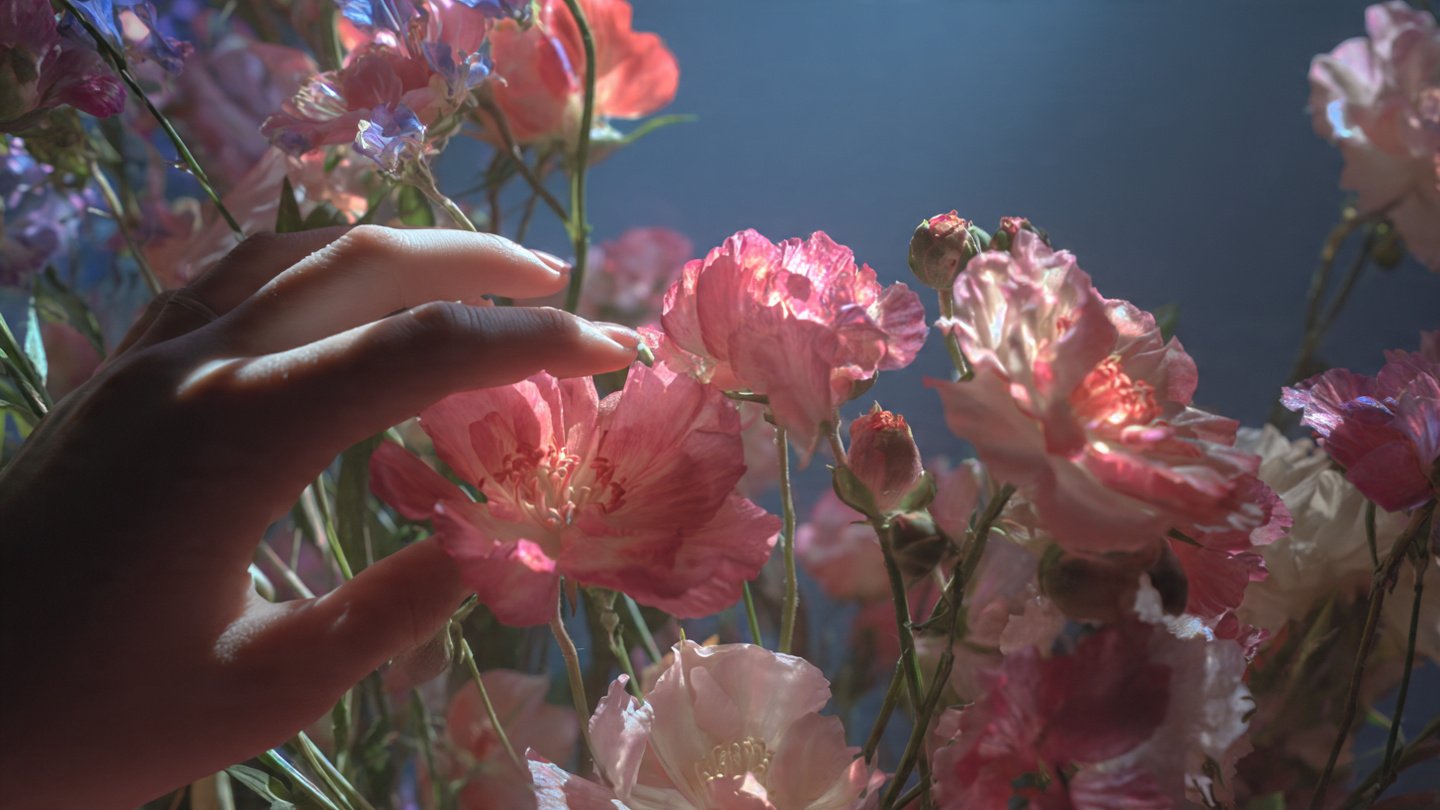
Flowers have long captivated humanity with their stunning beauty and intoxicating fragrances. Beyond their aesthetic appeal, flowers exhibit a range of intriguing behaviors and reactions, especially in response to the gentle touch of human hands. This phenomenon is not just a romantic notion or a poetic metaphor; it is an aspect of plant biology that merits attention and exploration.
The Basics of Plant Sensitivity
Plants are often thought to be passive organisms, anchored in place and subject to the whims of nature. However, they possess remarkable adaptive mechanisms that allow them to respond to stimuli in their environment. This sensitivity is particularly notable in flowering plants, which can exhibit fascinating reactions to gentle human touch.
At the cellular and physiological level, plants utilize specialized mechanisms to register and respond to touch. This response is known as “thigmotropism,” a term derived from the Greek words for “touch” and “turn.” While many plants, such as vines, use this response to navigate their surroundings, flowering species have their own unique ways of engaging with touch.
Mechanisms of Response to Touch
One of the most remarkable aspects of flowers is the presence of specialized cells that can convey tactile signals. These cells enable flowers to respond to human touch, often resulting in physical and chemical changes. Here are some of the primary mechanisms involved:
- Cellular Signaling: When touched, flowers activate specific signaling pathways that induce changes at the cellular level, including the release of hormones.
- Hormonal Response: The touch can trigger the production of growth hormones like auxins and cytokinins, which can influence flowering and growth patterns.
- Biochemical Signals: Some flowers may produce pheromones or other volatile organic compounds in response to touch, altering their scent and inviting pollinators.

Examples of Flowers Reacting to Touch
Different species of flowers display varying degrees of sensitivity to touch, and some have garnered significant attention for their striking reactions:
1. Mimosa Pudica
Also known as the “sensitive plant” or “shame plant,” the Mimosa pudica is famous for its rapid response to touch. When brushed against, the leaves fold inward and droop, an adaptive mechanism believed to protect the plant from herbivores. This quick reaction serves as a defense mechanism, allowing the plant to conserve energy and avoid damage.
2. Venus Flytrap
The Venus flytrap is another extraordinary example, albeit not a traditional flower. This carnivorous plant reacts to touch by snapping shut its lobes around unsuspecting prey, utilizing specialized hairs (trichomes) to detect movement. While its reaction is primarily a feeding mechanism, it highlights the intricate relationships plants have with touch.

3. Orchids
Orchids are renowned for their complex structures and diverse beauty. Some orchids exhibit a form of touch response that influences their reproductive processes. For example, when pollinators land on these flowers, they trigger the release of pollen, showcasing a remarkable interaction between flowers and pollinators, effectively facilitated by human touch.
The Emotional Connection Between Humans and Flowers
The gentle touch of human hands can evoke profound emotional responses, both in individuals and the flowers themselves. There is a certain magic that unfolds when we engage with flowers, often resonating on both a sensory and emotional level. Studies suggest that contact with flowers can enhance mood, reduce anxiety, and deepen our connection to the natural world.
Many people find solace and comfort in tending to flowers, whether through gardening or simply admiring their beauty. This care can lead to physiological changes in the flowers, promoting healthy growth and vibrant blooms. In turn, the flowers provide joy and satisfaction, creating a rewarding cycle of interaction.
Scientific Studies on Touch and Flower Behavior
Research has begun to delve deeper into the relationship between human touch and flower behavior. Scientists are exploring how various forms of contact—from gentle caresses to occasional jolts—affect growth patterns, blooming processes, and even the chemical makeup of flowers. These studies seek to understand the intricacies of touch and its impact on plant health and development.
One notable study published in the journal “Nature” demonstrated that certain plants exhibit enhanced resilience and growth when periodically touched. The research indicated that regular touch stimulates plant defenses, promoting overall vigor and adaptability. This finding suggests that human interaction with flowers can contribute positively to their wellbeing.

Cultural Significance of Touching Flowers
Across cultures, the act of touching and engaging with flowers has profound significance. Many societies have rituals and traditions tied to flowers, ranging from planting and harvesting to gifting and celebrating. The tactile experience of handling flowers plays a crucial role in these customs, bridging the gap between people and nature.
In many traditions, flowers symbolize love, respect, and gratitude, and the gentle act of touching them can be seen as a gesture of care and appreciation. This connection fosters a sense of belonging and deepens our relationship with the natural world.
Conclusion
The fascinating reactions of flowers to gentle human touch reveal a complex interplay of biology, emotion, and culture. Flowers are not merely passive entities; they are responsive beings that can react to stimuli in captivating ways. Our interactions with these beautiful organisms enhance not only their vitality but also our emotional and psychological wellbeing.
As we continue to explore the fascinating world of flowers, it becomes increasingly evident that our gentle touch is more than a simple gesture; it is a bridge connecting humans to the vibrant realm of nature. Understanding and appreciating this connection can inspire us to cultivate deeper relationships with the flora that surrounds us, encouraging a more harmonious existence with the natural world.
FAQ

1. Why do some flowers react to touch?
Flowers possess specialized cells and signaling mechanisms that enable them to respond to physical stimuli. This is part of their survival strategy, aiding in growth and defense against herbivores.
2. How does touching flowers affect their growth?
Studies have shown that gentle touch can stimulate hormonal responses in flowers, often promoting healthier growth and more vibrant blooms.
3. Are there specific flowers that are more sensitive to touch?
Yes, plants like Mimosa pudica and certain types of orchids exhibit notable reactions to touch, often altering their physical state in response.

4. What are the emotional benefits of touching flowers?
Engaging with flowers can elevate mood, reduce stress, and enhance overall emotional wellbeing, creating a rewarding interaction with nature.
5. How can I foster a better relationship with flowers in my garden?
Regularly tending to your flowers—through gentle touch, pruning, and care—can enhance their growth and create a more vibrant, flourishing garden.