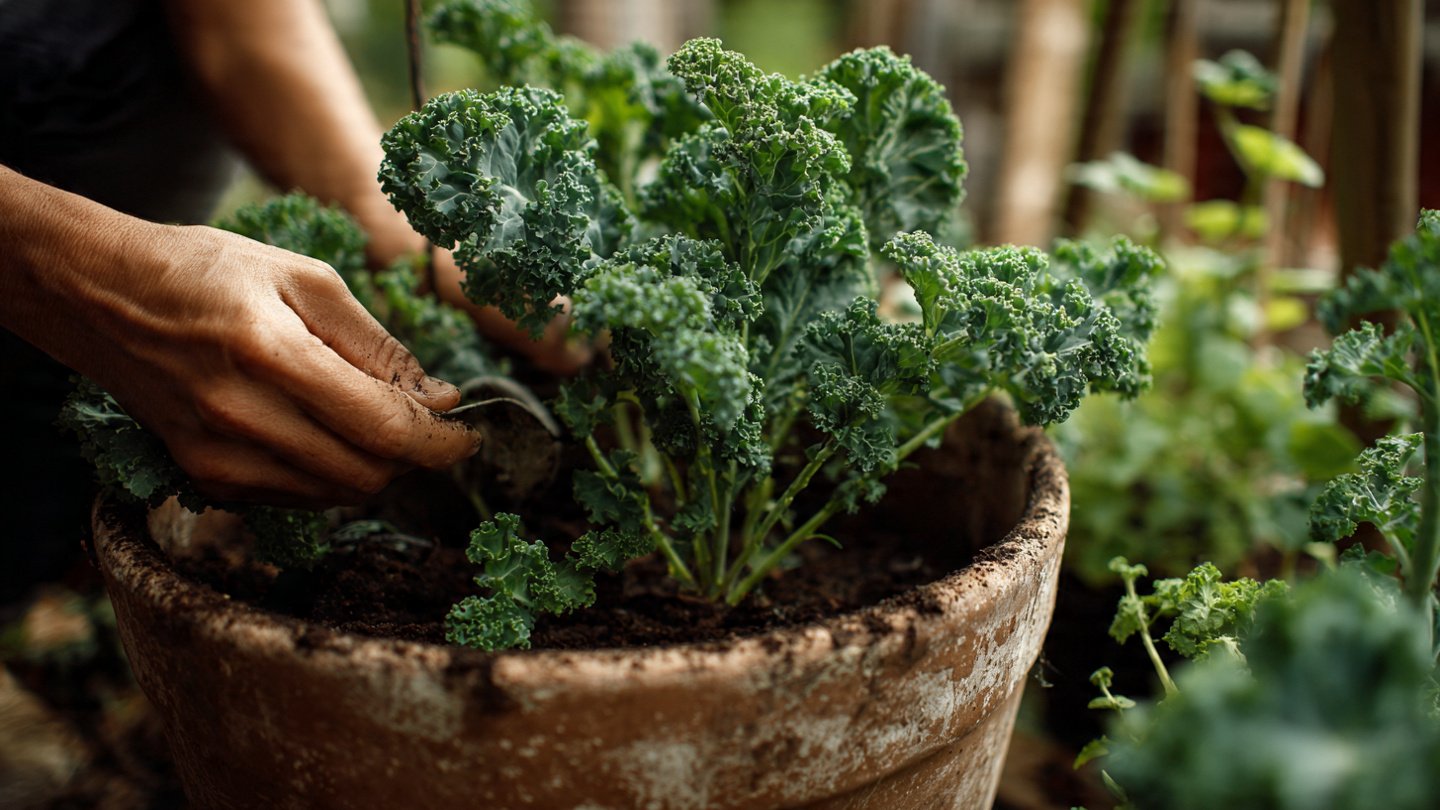
Plants can be beautiful and rewarding additions to your home and garden, but they are often susceptible to pests that can cause damage or even death. Identifying and treating these pests effectively is crucial for maintaining healthy plants. This article will provide you with insights into how to naturally identify and treat common plant pests.
Understanding Common Plant Pests
Before you can effectively treat plant pests, it’s essential to know which pests might be haunting your plants. Common plant pests include:
- Aphids: Small, soft-bodied insects that suck the sap from plants.
- Spider Mites: Tiny arachnids that cause discoloration and stippling on leaves.
- Whiteflies: Small, white insects that also feed on plant sap.
- Mealybugs: Cotton-like clusters on leaves and stems, feeding on plant juices.
- Scale Insects: Hard, shell-like pests that attach themselves to stems and leaves.
- Slugs and Snails: Mollusks that consume large holes in leaves at night.
Step 1: Identification of Pests
Identifying the specific pest is the first step toward effective treatment. Follow these identification steps:

- Examine Leaves: Look for discoloration, holes, or sticky residue.
- Check Undersides: Many pests, like aphids and spider mites, tend to hide on the underside of leaves.
- Use a Magnifying Glass: For tiny pests like spider mites, a magnifying glass can help you see the size and color.
- Watch for Signs: Yellowing leaves, wilting plants, and visible insect presence are clues.
Step 2: Natural Treatment Options
Once you’ve identified the pests, you can begin treating them using natural methods. Here are several effective strategies:
1. Neem Oil
Neem oil is extracted from the seeds of the neem tree and acts as a natural pesticide. It can disrupt the life cycle of pests:
- Mix neem oil with water and a few drops of mild soap to create a spray.
- Spray the solution on affected plants, focusing on the leaves’ undersides.

2. Insecticidal Soap
Insecticidal soap is effective against soft-bodied insects like aphids and mealybugs:
- Use store-bought insecticidal soap or make your own by mixing liquid soap with water.
- Apply it directly to the infested areas and repeat every few days until the pests are gone.
3. Diatomaceous Earth (DE)
Diatomaceous Earth is a powder made from fossilized aquatic organisms. It works by damaging the exoskeleton of insects:
- Sprinkle DE on the leaves and soil where you see pests.
- Be careful not to apply it on flowering plants to protect beneficial insects.
4. Companion Planting
Some plants can naturally repel pests when planted alongside your main crops:

- Marigolds: Help repel nematodes and other pests.
- Basil: Deters whiteflies.
- Garlic: Acts as a natural repellent for several insects.
5. Natural Predators
Encouraging natural predators can help control pest populations:
- Ladybugs: Eat aphids.
- Lacewings: Known for consuming a variety of soft-bodied pests.
- Birds: Attracting birds can also help reduce pest numbers in your garden.
6. Hand-Picking
For larger pests like slugs and snails, simple hand-picking can be very effective:
- Inspect your plants regularly and remove any visible pests.
- Dispose of them humanely to prevent their return.

Step 3: Maintenance and Prevention
Once you’ve handled your pest issue, it’s important to maintain your plants to prevent future infestations:
- Keep Plants Healthy: Ensure proper sunlight, water, and nutrients.
- Regular Inspections: Check your plants weekly to catch any new infestations early.
- Rotate Crops: This can help disrupt pest life cycles.
Conclusion
Identifying and treating plant pests naturally is not only effective but also environmentally friendly. By taking the time to understand which pests affect your plants and employing natural treatment methods, you can ensure a thriving garden. Remember that prevention is key; maintaining the health of your plants will go a long way in avoiding future pest problems. With a little diligence and care, you can enjoy a beautiful, pest-free garden.
FAQs
1. How can I prevent pests from infesting my garden?
Regularly inspect plants, maintain healthy soil, and consider companion planting. Keeping the garden tidy and free of debris can also deter pests.

2. Are natural pest control methods safe for pets?
Most natural pest control methods, like neem oil and insecticidal soap, are safe when used as directed. However, always check labels and consult a veterinarian if in doubt.
3. How often should I apply natural pest control treatments?
It depends on the method. Neem oil and insecticidal soap can often be reapplied every few days to a week until the pests are under control.
4. Is it possible for pests to become resistant to natural treatments?
Yes, pests can develop resistance over time, which is why it’s essential to rotate treatments and use a combination of methods for effective pest control.
5. When should I seek professional help for pest control?
If your pest problem is severe and persistent despite your efforts, or if you’re unsure about identification, consulting with a pest control professional may be necessary.