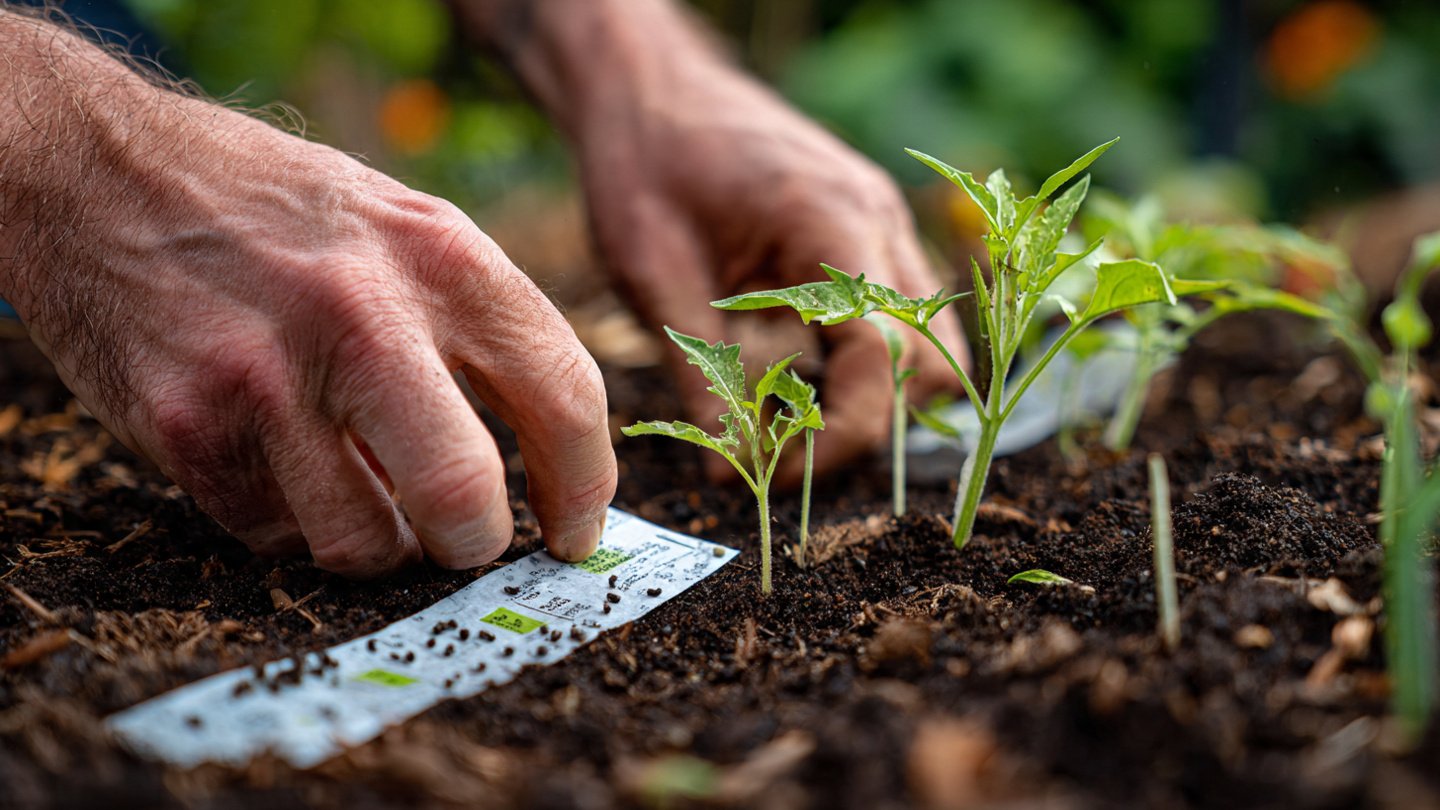
Gardening enthusiasts and novice gardeners alike are continually searching for ways to simplify their gardening practices while maximizing their success. One innovative solution that has gained traction is the use of seed tapes. Seed tapes are a remarkable tool that can make the process of planting tiny seeds easier, more efficient, and even enjoyable. In this article, we will explore how seed tapes work, their various benefits, and how they can transform your overall gardening experience.
Understanding Seed Tapes
Seed tapes are strips of biodegradable paper or fabric embedded with seeds at equal intervals. The design of seed tapes is simple yet effective, making them a popular choice among gardeners. The seeds are pre-spaced and attached to the tape, allowing for uniform planting depth and spacing without extra effort.
A typical seed tape can be used for a variety of crops, including vegetables, flowers, and herbs. They are particularly beneficial for tiny seeds that can be challenging to handle manually. But how do seed tapes actually work, and what makes them so effective?
How Do Seed Tapes Work?
Using seed tapes is incredibly straightforward. Here’s a step-by-step guide to using them:
- Preparation: Before planting, prepare your garden bed or container by loosening the soil and removing any debris. This offers a conducive environment for the seeds to germinate.
- Unroll the Tape: Once your soil is prepared, gently unroll the seed tape onto the surface of the soil. Ensure the spacing on the tape aligns with the desired planting area.
- Covering: Lightly cover the seed tape with soil, typically following the guidelines on the packaging regarding depth. Make sure the tape remains adequately covered to protect the seeds.
- Watering: Water the area gently but thoroughly to encourage seed germination. Be careful not to wash away the tape or disrupt the seeds.
- Monitoring: Keep an eye on your garden as the seeds germinate and grow. The tape will naturally decompose over time, leaving you with healthy seedlings.

Benefits of Using Seed Tapes
Seed tapes offer numerous advantages that can significantly enhance your gardening experience. Let’s delve into some of the most prominent benefits:
1. Precision Planting
One of the primary advantages of seed tapes is the precision they afford. The seeds are pre-spaced at equal intervals along the tape, helping to avoid overcrowding. This not only provides each seed with ample room to grow but also minimizes competition for nutrients.
2. Saves Time

Traditional planting methods can be labor-intensive and time-consuming, especially when dealing with tiny seeds. Seed tapes simplify the process, allowing you to cover a larger area in a shorter period. This time-saving aspect is particularly beneficial for those with busy schedules.
3. Reduces Seed Waste
Handling tiny seeds can lead to accidental spills or miscalculations in planting quantity. Seed tapes help reduce waste by limiting the number of seeds used and ensuring even distribution throughout the planting area. This economical approach is not only good for your wallet but also encourages sustainable gardening practices.
4. Ideal for Beginners
For novice gardeners, the learning curve can be steep. Seed tapes make the planting process more approachable and less intimidating. With straightforward instructions and a minimized risk of planting errors, beginners can feel more confident about their gardening skills.
5. Versatile Use
Seed tapes are versatile and can be made for a variety of seeds, from carrots to lettuce to flowers. This adaptability allows gardeners to experiment with different plant varieties without the typical anxiety associated with planting small seeds.
6. Environmental Friendly

Most seed tapes are designed to be biodegradable, reducing plastic waste in the garden. As the seed tape decomposes, it enriches the soil. This eco-friendly aspect aligns with the growing trend of sustainable gardening practices.
Common Misconceptions about Seed Tapes
Despite their many benefits, there are some misconceptions about seed tapes that can deter gardeners from trying this method:
1. Limited Use
Some believe that seed tapes can only be used for specific types of seeds. In reality, there are seed tapes available for a wide variety of plants, including flowers, vegetables, and herbs.
2. Difficult to Find
While seed tapes may not be as readily available as traditional seeds, many gardening supply stores and online retailers carry a diverse range of options. Gardening enthusiasts can easily find seed tapes tailored to their particular planting needs.
3. Higher Cost

While seed tapes may initially appear more expensive than loose seeds, the reduced waste, time savings, and increased success rates can easily justify the investment. Over time, seed tapes can prove to be a more cost-effective solution.
Conclusion
Seed tapes represent a transformative innovation in gardening, particularly for those working with tiny seeds. By facilitating precision planting, reducing waste, and making gardening more accessible for novices, seed tapes can significantly enhance your gardening experience. Whether you’re a seasoned gardener or just starting, consider incorporating seed tapes into your gardening toolkit. They might just make your gardening endeavors more enjoyable and successful.
FAQs
1. Are seed tapes reusable?
No, seed tapes are typically designed for one-time use. Once planted, they biodegrade, providing nutrients to the soil as they break down.
2. How deep should I plant seed tapes?
The depth can vary depending on the type of seed. Generally, the thickness of the tape serves as a guide, with light soil coverage recommended.

3. Can I make my own seed tapes?
Absolutely! You can easily create your own seed tapes using strips of biodegradable paper, glue, and seeds. There are many instructional videos and guides available online.
4. What types of seeds work best with seed tapes?
Seed tapes are particularly effective for small and tiny seeds, such as carrots, lettuce, and various flower seeds.
5. How should I store leftover seed tapes?
Leftover seed tapes should be stored in a cool, dry place, away from direct sunlight to maintain their viability until you are ready to use them.