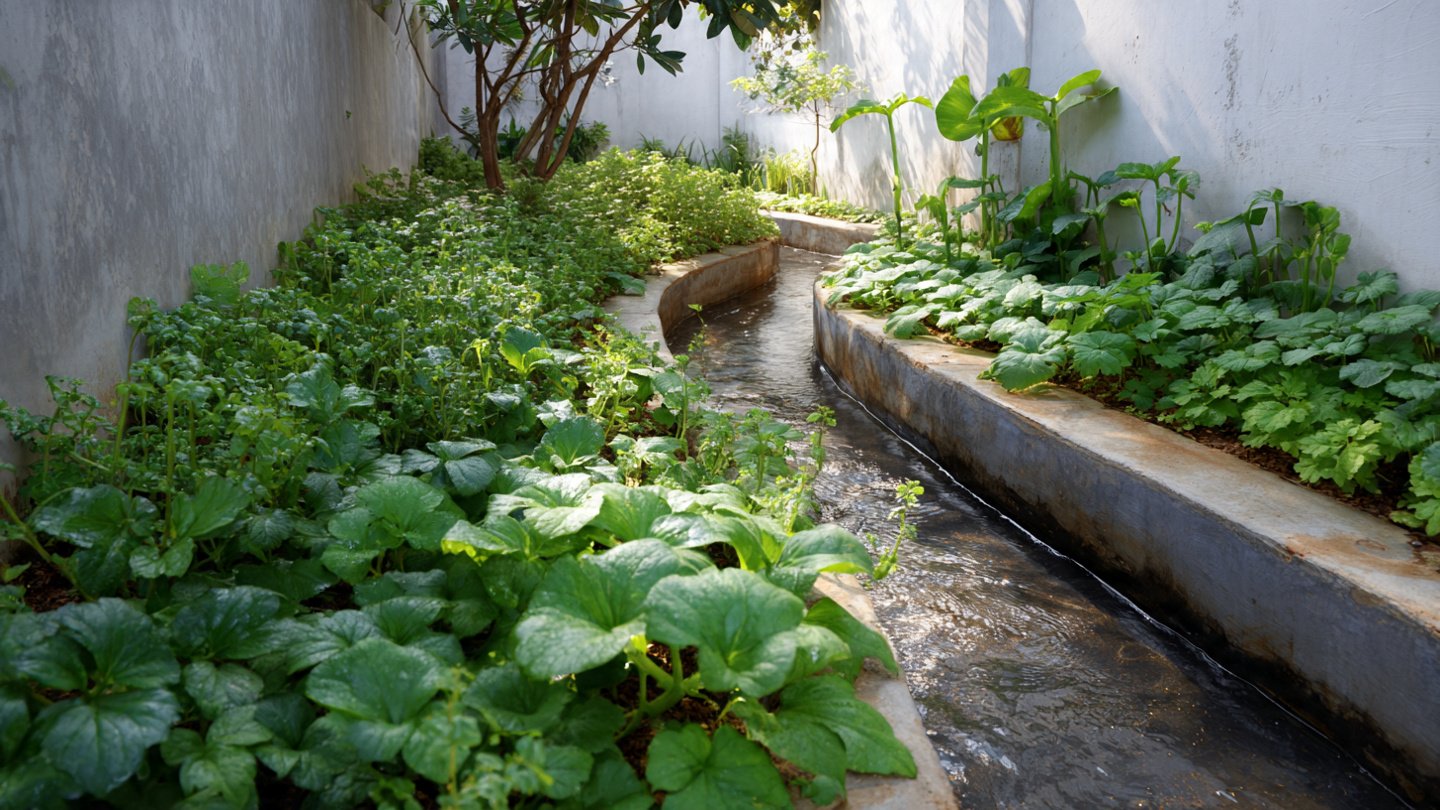
In an era where sustainable living is not just a trend but a necessity, the importance of water conservation cannot be overstated. One innovative approach to achieving this goal is by utilizing greywater in gardening. Greywater, the relatively clean waste water from baths, sinks, and washing machines, can significantly enhance the greenery and vitality of your garden. This article delves into the benefits of greywater, how to properly implement its use, and some important considerations to keep in mind.
Understanding Greywater
Greywater is distinct from black water, which comes from toilets and may contain harmful pathogens. Greywater typically comprises water from:
- Showers and bathtubs
- Sinks and washbasins
- Washing machines
It is often rich in nutrients, such as nitrogen and phosphorus, which are beneficial for plant growth. Understanding the different sources of greywater, its composition, and potential contaminants is crucial for effective garden application.
The Nutritional Benefits of Greywater
One of the main advantages of using greywater is its nutrient content. Unlike tap water, greywater can be rich in:
- Nitrogen: Essential for plant growth and the production of chlorophyll, which is vital for photosynthesis.
- Phosphorus: Promotes root development, flower formation, and fruiting.
- Potassium: Aids in overall plant health and resilience against diseases.

By utilizing greywater, gardeners can reduce their reliance on commercial fertilizers, making gardening both cost-effective and environmentally friendly.
How to Use Greywater in Your Garden
To effectively use greywater, it’s essential to follow certain guidelines to ensure the safety and health of your garden and its consumers.
1. Collection and Storage
Install a greywater collection system to direct water from sinks, showers, or washing machines into a storage tank. Ensure the system is odor-free and made of non-toxic materials. Greywater should be used within 24 to 48 hours of collection.
2. Filtration
Before using greywater, it’s advisable to filter it to remove hair, soap residues, and other debris. Simple mesh filters can be very effective.
3. Irrigation Techniques
When applying greywater to your garden, consider the following methods:

- Soaker Hoses: These hoses allow for gradual watering, reducing evaporation and runoff.
- Drip Irrigation: This method provides water directly to plant roots, maximizing efficiency.
- Basins or Buckets: For smaller gardens, manually distributing greywater via basins can be effective.
4. Plant Selection
Some plants thrive better with greywater than others. Generally, non-edible plants and drought-resistant species such as:
- Lavender
- Yarrow
- Sage
are more tolerant of the salts and chemicals commonly found in greywater. However, if you’re considering irrigating edible plants, ensure they can safely tolerate greywater.
Benefits of Using Greywater in Gardening
The benefits of using greywater in your garden extend beyond just saving water. Here are some key advantages:

1. Water Conservation
Greywater recycling significantly reduces the amount of potable water used for irrigation, which is critical in drought-prone areas.
2. Enhanced Soil Quality
The organic matter in greywater can help improve soil structure, moisture retention, and microbial health, fostering a more vibrant environment for plant growth.
3. Cost Savings
By reducing the need for commercial fertilizers and tapping into a free resource for irrigation, homeowners can substantially decrease their gardening costs.
4. Environmental Impact
Utilizing greywater reduces the volume of wastewater directed to treatment plants, lessening overall environmental impact and contributing to more sustainable practices.
Considerations When Using Greywater
While greywater can be an invaluable asset for your garden, there are some considerations to keep in mind:

1. Chemical Composition
Be mindful of the soaps, detergents, and cleaning agents used in your home. Opt for biodegradable and phosphate-free products to minimize potential harm to plants.
2. Local Regulations
Before implementing a greywater system, check local regulations. Some regions may have restrictions or guidelines regarding greywater use.
3. Application Method
Avoid watering directly onto edible crops. Instead, use greywater for ornamental plants or non-consumables to reduce health risks.
Conclusion
Greywater recycling presents an innovative opportunity to enhance your garden’s greenery and vitality while contributing to sustainability efforts. By understanding the benefits, proper techniques, and necessary precautions, gardeners can create not only a lush oasis but also a more eco-conscious lifestyle. Water conservation, enhanced soil quality, and significant cost savings are just a few of the many advantages associated with utilizing greywater. As society continues to embrace sustainable practices, integrating greywater into gardening can play a pivotal role in nurturing our environment while enjoying beautiful and vibrant gardens.
FAQs
1. Is gray water safe for my plants?
Yes, greywater can be safe for plants, especially if it’s free from harsh chemicals. Opt for biodegradable products to ensure safety.

2. Can I use greywater on my vegetable garden?
While greywater can be beneficial, it’s advisable to avoid using it on edible crops unless necessary precautions are taken.
3. How often can I use greywater in my garden?
You can use greywater as needed, but it’s best to let the soil dry between applications to prevent saturation.
4. What kind of plants are best suited for greywater?
Drought-resistant and non-edible plants are typically more tolerant of greywater irrigation.
5. Are there any local regulations regarding greywater use?
Yes, regulations vary by location. Always check local laws before implementing a greywater system.