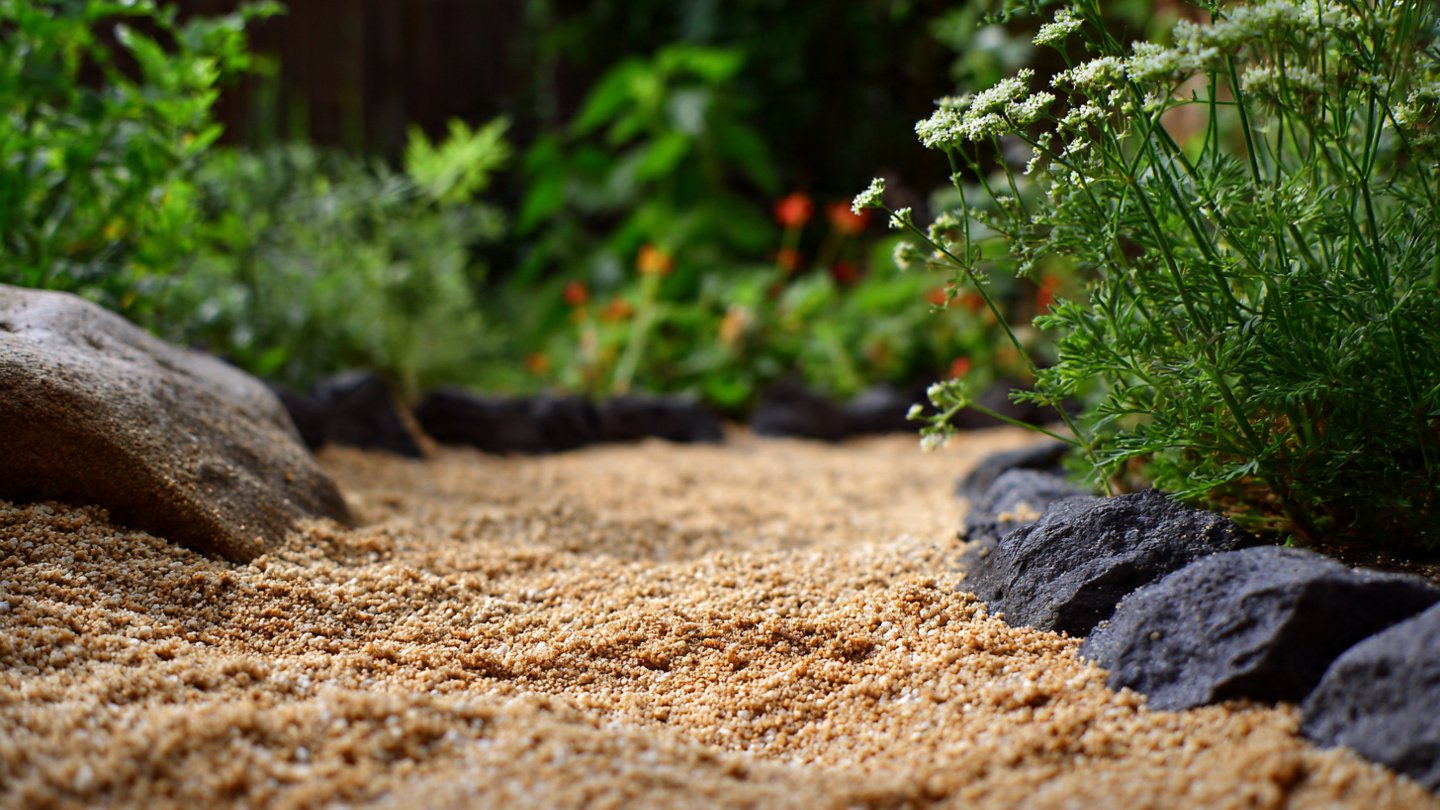
When it comes to gardening, the health of your plants is closely linked to the quality of your soil. One of the most common problems gardeners face is poor drainage. Excess water can lead to a myriad of problems, including root rot, fungal infections, and decreased nutritional uptake. One effective solution to this problem is incorporating sand into your garden’s soil mix. This article will explore how a layer of sand can enhance drainage, the science behind it, appropriate sand types for gardening, and practical tips for application.
Understanding Soil Drainage
Before diving into the benefits of sand, it’s essential to understand what soil drainage means. Soil drainage refers to how well water moves through the soil. Good drainage allows excess rainfall or irrigation to percolate through the soil, preventing water from pooling on the surface or saturating the root zone.
Types of Drainage Problems
-
Poorly Drained Soil: This type of soil retains too much water, often because of a high clay content. Clay particles are small and tightly packed, which prevents water from filtering through adequately.
-
Well-Drained Soil: This soil type allows water to flow easily. Sandy soils typically fall into this category because sand particles are larger and create more space for air and water movement.

How Sand Improves Drainage
-
Particle Size and Structure: Sand is composed of larger particles compared to silt or clay. This larger size creates air pockets in the soil, allowing water to flow through more easily. By breaking up the compact nature of clay soils, sand helps create a more workable structure.
-
Reducing Compaction: In heavy, clay-rich soils, compaction is a common issue. Compacted soil restricts root growth and hinders water flow. Adding sand effectively reduces compaction by providing a more porous structure, enabling roots to penetrate deeper and more efficiently.
-
Enhanced Aeration: Healthy plant roots need oxygen for respiration. A layer of sand improves aeration in the soil profile, facilitating better root health. When roots access more oxygen, plants can grow stronger and more resilient.
-
Water Retention Balance: While sand improves drainage, it also plays a role in balancing water retention. It can help prevent standing water while allowing the soil to retain enough moisture for healthy plant growth.
Choosing the Right Sand

Not all sand is created equal when it comes to gardening. Here are some types you might consider:
-
Coarse Sand: This is the most effective type for improving drainage. It has larger particles, which create substantial air pockets in the soil.
-
Builder’s Sand: Often used in construction, this sand can be a cost-effective option. However, ensure it is clean and free from debris.
-
Beach Sand: While it may seem appealing, beach sand can contain salt, which is harmful to many plants. Avoid using it unless it has been thoroughly washed to remove excess salt.
-
Horticultural Sand: Specifically designed for gardening, this sand is often marketed in garden supply stores. It is clean and free of contaminants, making it an excellent choice for improving garden drainage.
Application Techniques

-
Testing Your Soil: Before adding sand, conduct a simple soil test to determine the current drainage capacity. You can do this by digging a hole, filling it with water, and timing how long it takes to drain. This will help you determine how much sand you may need.
-
Mixing Ratios: A general recommendation is to mix in one part sand to two parts soil. This ratio allows for significant improvements without compromising the soil’s overall moisture retention.
-
Layering: In some cases, gardeners choose to create a thin layer of sand on the surface of existing soil. While this can improve drainage to some extent, mixing sand into the topsoil is much more effective.
-
Incorporating Organic Matter: Adding compost or other organic matter along with sand can enhance soil structure and fertility. This combination encourages beneficial microbial activity while further improving drainage.
-
Use in Raised Beds: If you’re gardening in raised beds, adding sand to the mix can be an effective way to ensure better drainage, especially if your native soil is clay-heavy.
Common Misconceptions

-
Sand Alone Will Solve Drainage Problems: While sand can significantly improve drainage, it should not be considered a standalone solution. Heavy soils often require a multifaceted approach that includes organic matter and aeration techniques.
-
All Types of Sand Work Equally: As previously mentioned, the type of sand used is crucial. Fine, silty sands can exacerbate drainage issues rather than alleviate them.
-
Instant Improvement: Many gardeners expect immediate improvements after adding sand. Soil enhancement is a gradual process, and it may take time to notice the full benefits.
Potential Drawbacks
While adding sand can improve drainage, there are some potential drawbacks to consider:
-
Soil Texture Imbalance: Overapplying sand can lead to a soil texture that is too sandy, which could drain too quickly and lead to dry conditions. Striking a balance is key.

-
Cost: Depending on the size of the garden, purchasing substantial amounts of sand can be an added expense.
-
Labor-Intensive: Mixing sand into existing soil can be labor-intensive. It requires physical effort, particularly in larger gardens, and precision to avoid over-application.
-
Long-Term Commitment: Improving soil drainage through sand integration is not a one-time task. Regular maintenance, including ongoing evaluation of soil structure and amendments, is needed.
Conclusion
Improving drainage in your garden is crucial for creating a thriving environment for your plants. A layer of sand, when properly chosen and applied, can be a game-changer for combating drainage problems. It enhances soil structure, reduces compaction, and promotes a healthier growing environment. However, it is vital to approach this modification thoughtfully—conducting soil tests, employing the correct mixtures, and integrating organic materials will yield the best results.
Gardening is often about patience and experimentation. Remember that every garden is unique, and what works for one may not work for another. With your newfound knowledge on the benefits of sand, you can take informed steps to revitalize your garden’s drainage and, ultimately, its health. As the seasons change, so too will your plants thrive in the improved soil structure you create with careful consideration and a layered approach to sand incorporation. Happy gardening!