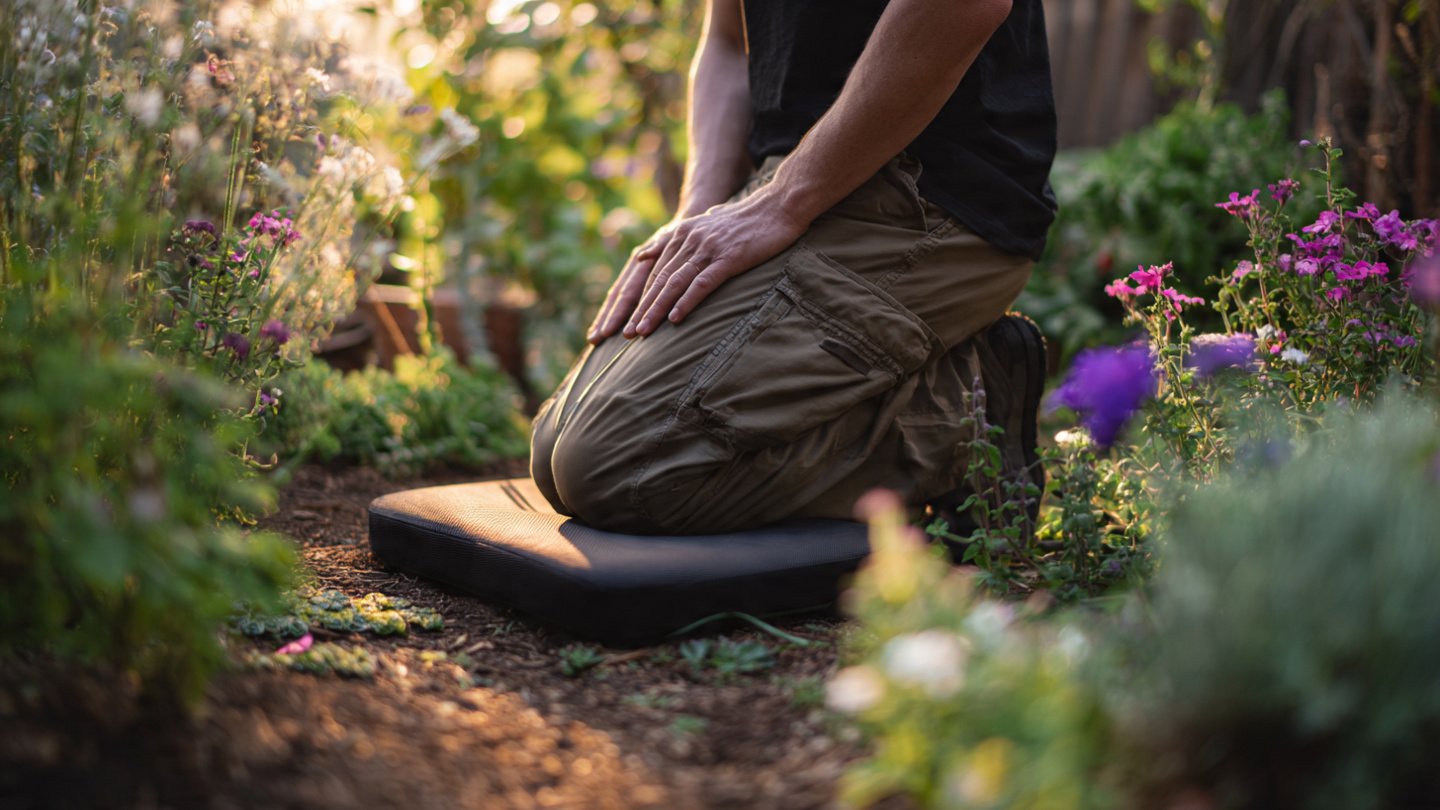
In today’s fast-paced world, we often overlook the importance of proper ergonomics and comfortable workstations. This negligence can lead to a range of health issues, particularly when it comes to joint health. One simple yet effective tool that can make a significant difference is the kneeling pad. While it may appear to be a basic accessory, a kneeling pad can transform your joint health, reduce strain, and enhance overall well-being. In this article, we will explore how kneeling pads can benefit joint health, delve into the mechanics of joint strain, and provide practical suggestions for incorporating these pads into your daily routine.
Understanding Joint Health
Before exploring the benefits of kneeling pads, it’s crucial to understand what joint health encompasses. Joints are complex structures that connect bones, facilitate movement, and absorb shock. The health of our joints is vital for maintaining mobility and overall quality of life. Joint issues, such as arthritis and degeneration, can arise from factors including age, injury, repetitive strain, and lifestyle choices.
Maintaining healthy joints involves a combination of exercise, proper nutrition, and ergonomic practices. When it comes to ergonomics, sitting, standing, and kneeling positions can greatly impact joint comfort and functionality.
The Impact of Kneeling on Joint Health
Many professionals, such as gardeners, mechanics, and even home improvement enthusiasts, frequently find themselves in kneeling positions. While kneeling is often necessary for completing tasks efficiently, it can also lead to joint discomfort, particularly in the knees. When you kneel on hard surfaces, the pressure exerted on the kneecap can lead to pain and even long-term damage.
Key Issues Caused by Kneeling:
-
Pressure on the Knees: Hard surfaces can put excessive pressure on the knees, leading to pain and discomfort.
-
Repetitive Strain: Frequent kneeling can cause strain on the joints, generating inflammation and eventually leading to chronic pain conditions.

-
Poor Posture: Without proper support, kneeling can lead to poor posture, further exacerbating joint issues in the back and hips.
-
Limited Circulation: Prolonged kneeling can restrict blood flow to the lower extremities, increasing discomfort and potentially leading to more severe issues.
This is where a kneeling pad comes into play. By providing cushioning and support, a kneeling pad can alleviate many of the negative effects of kneeling.
How Kneeling Pads Work to Improve Joint Health
1. Distributing Pressure
One of the primary functions of a kneeling pad is to distribute pressure evenly across the knee surface. Instead of the hard ground pushing directly against the kneecap, the padding absorbs some of that pressure. This can diminish the feeling of discomfort and significantly decrease the risk of joint damage.
2. Enhancing Comfort
Comfort is a crucial aspect of joint health. A kneeling pad can offer an enhanced level of comfort, allowing you to work or perform tasks for more extended periods without experiencing pain. This comfort can lead to increased productivity and encourage you to remain active without the nagging worry of joint discomfort.
3. Encouraging Better Posture
Kneeling pads can promote better alignment of the spine and hips. When you kneel with a pad, the body can adopt a more natural posture, reducing strain on the back and pelvis. This alignment helps prevent issues that can arise from poor posture, further protecting your joints.

4. Supporting Blood Circulation
A quality kneeling pad not only cushions the knees but can also enhance circulation. With improved blood flow to the lower extremities, the risk of numbness or pain decreases, allowing you to focus on the task at hand.
5. Reducing Inflammation
Many kneeling pads are made from materials that provide additional support and can help reduce inflammation in the knee area. For individuals prone to flare-ups of conditions such as arthritis, using a kneeling pad can serve as a preventative measure.
Types of Kneeling Pads
Choosing the right kneeling pad is essential to reap optimal benefits for your joint health. Here are a few types to consider:
1. Foam Kneeling Pads
These are common and provide excellent cushioning and support. Memory foam options can conform to your knees’ shapes, offering customized comfort.
2. Gel Kneeling Pads
Gel pads provide a unique feel, offering superior cushioning and preventing the knees from sinking too deeply into the pad. They often provide excellent shock absorption.

3. Inflatable Kneeling Pads
These pads are adjustable in firmness, allowing users to customize the level of support they desire. They are often compact and portable for easy storage.
4. Structured Kneeling Mats
These pads feature design elements that promote better alignment and posture, often including knee and leg elevations. They can be ideal for prolonged kneeling tasks.
How to Incorporate Kneeling Pads into Your Routine
Now that we understand the benefits of kneeling pads for joint health, it’s important to consider how to incorporate them into daily activities. Here are some practical applications:
1. Gardening
Whether planting flowers or pulling weeds, gardeners often spend significant time kneeling. Using a kneeling pad can mitigate discomfort, allowing for longer periods spent tending to plants.
2. Home Improvement Projects
Many DIY projects require kneeling for extended periods. A kneeling pad can provide the necessary support while you engage in repairs or renovations, making the process more comfortable.
3. Mechanics

Mechanics regularly work in tight spaces where kneeling is required. Having a pad can help alleviate knee pain, enabling focus on intricate tasks without distracting discomfort.
4. Cleaning
When cleaning floors or baseboards, kneeling pads can offer the necessary support to prevent strain on the knees, allowing you to maintain good form.
5. Yoga and Meditation
In certain practices, kneeling is common. A soft pad can enhance comfort during these activities, making it easier to concentrate on your practice.
Tips for Choosing the Right Kneeling Pad
When selecting a kneeling pad, consider the following factors to ensure you find one that suits your needs:
-
Material: Look for high-quality foam or gel with durability and comfort. Memory foam can provide added support.
-
Thickness: Different tasks may require different thickness levels. Thicker pads may offer more cushioning for prolonged use.
-
Size: Ensure the pad is large enough to fit comfortably under both knees, allowing for freedom of movement.
-
Portability: If you plan to use it for various tasks, consider a lightweight and easy-to-carry option.
-
Ease of Cleaning: Some pads come with removable covers that can be washed. Look for easy-to-clean materials, especially for outdoor tasks.

Conclusion
In a world where physical comfort often takes a back seat, investing in a simple kneeling pad can profoundly impact your joint health. By alleviating pressure, enhancing comfort, promoting better posture, and supporting circulation, a kneeling pad can become a game changer for anyone who frequently kneels. Whether you’re gardening, tackling home improvement projects, or doing mechanical work, a kneeling pad is a simple yet effective tool that offers long-term benefits.
Incorporating a kneeling pad into your daily routine not only helps maintain joint health but can also enhance productivity, allowing you to perform tasks with greater ease and less discomfort. As we become increasingly aware of the importance of ergonomics and proper body mechanics, kneeling pads stand out as an essential accessory that should not be overlooked. Prioritizing joint health today can pave the way for a more active and healthier tomorrow.