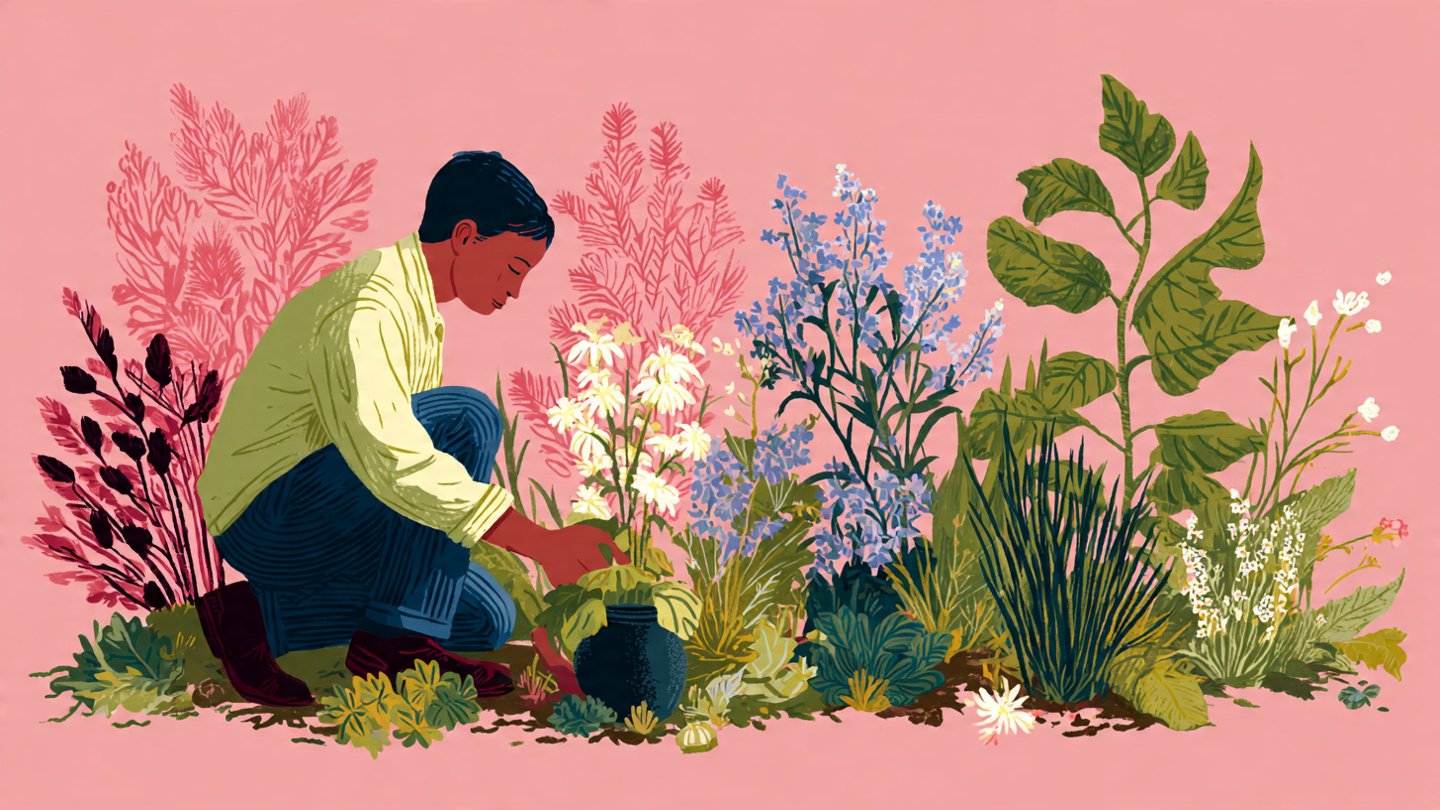
Companion planting is an ancient agricultural practice that involves cultivating different plants in close proximity for mutual benefit. While it’s often associated with vegetable gardening, companion planting can also greatly enhance flower health. This article delves into the intricacies of companion planting for flowers and how it can transform your garden into a healthier, more vibrant space.
The Basics of Companion Planting
Companion planting is based on the idea that certain plants can help each other grow, repel pests, attract beneficial insects, and improve soil health. This practice can significantly benefit flowering plants by enhancing their growth patterns, increasing resistance to pests, and fostering a harmonious ecosystem within your garden.
Benefits of Companion Planting
- Pest Control: Some plants deter harmful insects, reducing the need for chemical pesticides.
- Enhanced Growth: Certain plant combinations can promote stronger, healthier growth by improving nutrient uptake.
- Pollination: Some plants attract pollinators, which can boost the flowering potential of nearby plants.
- Soil Enrichment: Specific plants can fix nitrogen in the soil, benefiting neighboring plants.
Key Companion Planting Combinations for Flowers
When planning your flower garden, consider these effective companion planting combinations:

Roses and Marigolds
Roses can be vulnerable to pests such as aphids and spider mites. Planting marigolds nearby can act as a natural deterrent, thanks to their strong scent. Marigolds also attract beneficial insects that can help protect your roses.
Foxgloves and Borage
Foxgloves are beautiful and attract pollinators. Borage not only attracts pollinators as well but also provides nutrients to the soil. Additionally, borage can help deter pests that might attack foxgloves.
Lavender and Other Flowers
Lavender is known for its calming fragrance and ability to attract pollinators. It can be paired with flowers such as roses and daisies, helping to repel pests while enhancing the growth of neighboring plants.
Pansies and Violas
Pansies offer a stunning splash of color, and they thrive well with violas. They can improve the resilience of each other against diseases and pests, creating a healthy flower bed.
Implementing Companion Planting in Your Flower Garden
To effectively utilize companion planting, follow these steps:

1. Know Your Plants
Before you begin planting, research the needs and characteristics of the flowers and their potential companions. Understanding their growth habits, light requirements, and pest vulnerabilities is crucial for effective pairing.
2. Plan Your Layout
Once you’ve identified compatible plants, sketch a layout of your garden. Placing companions closer to one another increases the likelihood of successful interactions.
3. Prepare Your Soil
Healthy soil is the foundation of a thriving garden. Amend your soil with organic matter, compost, and any necessary nutrient sources. This preparation maximizes the benefits of companion planting.
4. Monitor and Maintain
Once your garden is planted, monitor the health of your flowers regularly. Look for signs of pests or diseases and adjust your planting arrangements as necessary. Continuous observation allows you to adapt your garden for optimal health.
Companion Planting Techniques
In addition to basic pairings, there are specific techniques to enhance the effectiveness of companion planting:

Interplanting
Interplanting involves mixing flowers with complementary plants (such as herbs or vegetables) throughout your flower beds. This method maximizes space and can lead to dramatic increases in health and vitality.
Sequential Planting
Sequential planting entails planting crops or flowers at different times or stages. This allows for better use of space and resources while ensuring that beneficial plants are available throughout the growing season.
Guild Planting
A guild is a group of plants that work together synergistically. For flowers, this may include pairing flowering plants with herbs that deter pests, attracting beneficial insects, or even using ground cover to suppress weeds.
Common Mistakes to Avoid
While companion planting can be immensely beneficial, gardeners may encounter pitfalls. Here are some common mistakes to avoid:
1. Overcrowding
It’s easy to get excited and plant multiple companions in a small area, but overcrowding can lead to competition for nutrients and light. Ensure that each plant has enough space to thrive.

2. Ignoring Plant Needs
Not all plants have the same water, light, and soil requirements. Make sure to choose companions that have compatible needs for optimal growth.
3. Neglecting Regular Maintenance
Companion planting does not eliminate the need for care. Regular watering, weeding, and monitoring for pests are still necessary to maintain a healthy flower garden.
Conclusion
Companion planting is not just an age-old technique; it is a modern gardening strategy that enhances the health and beauty of your flowers. By choosing the right combinations, planning appropriately, and maintaining vigilance, you can create a thriving ecosystem in your garden. The diverse interactions between companion plants can lead to enhanced growth, improved pest resistance, and a vibrant display of blooms. Start exploring the fascinating world of companion planting today, and watch your flower garden flourish like never before.
FAQs
1. Can I use companion planting with all types of flowers?
While many flowers can benefit from companion planting, it’s essential to research specific combinations that work well together. Some flowers may compete for resources rather than support each other.
2. How do I know which plants are good companions?
Research online resources, gardening books, or consult with local gardening experts to identify beneficial plant pairings based on their growth habits and pest resistance.

3. Is companion planting environmentally friendly?
Yes! Companion planting reduces the need for chemical pesticides and enhances biodiversity in your garden, promoting a healthy and sustainable environment.
4. How long does it take to see results from companion planting?
Results can vary depending on the plant species and specific conditions of your garden, but many gardeners notice improvements in plant health within the same growing season.
5. Can I use companion planting in containers?
Absolutely! Companion planting can be effectively utilized in containers. Just ensure that the plants chosen have similar water and light requirements to thrive in a confined space.