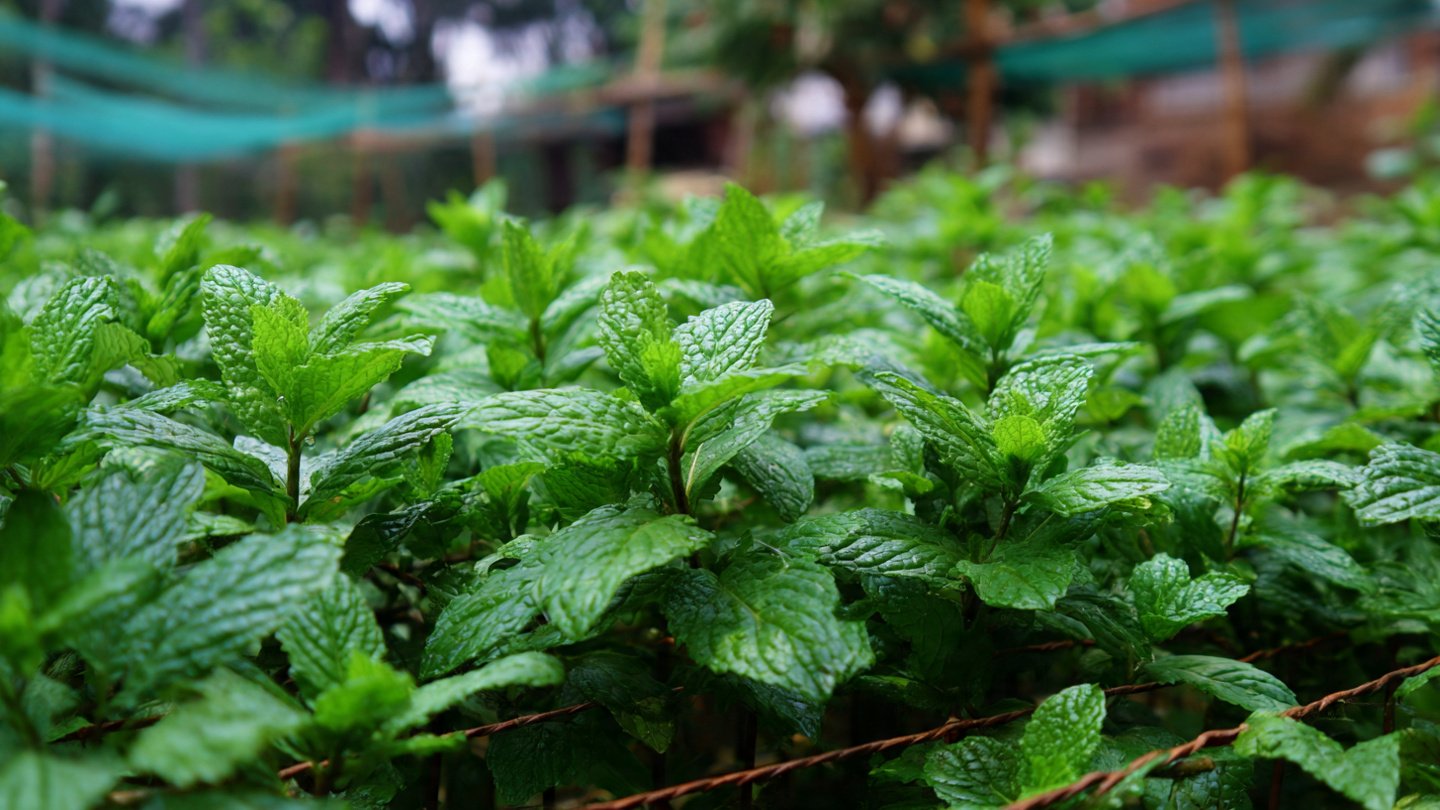
Gardening enthusiasts often seek to create their own tea garden, and mint is a favorite choice due to its refreshing aroma and flavor. But the question remains: can you really cultivate a thriving tea garden using only mint cuttings? This article delves into the feasibility of this concept, providing insights into the process, benefits, and considerations.
Understanding Mint as a Tea Plant
Mint belongs to the genus Mentha, which encompasses several species, including peppermint and spearmint. Known for their aromatic leaves and versatility in culinary uses, mint plants can also serve as a delightful herbal tea. When brewed, mint tea offers a comforting experience, known for its soothing properties and refreshing taste.
The Process of Growing Mint from Cuttings
Growing mint from cuttings is a straightforward process, making it accessible for gardeners of all experience levels. Here’s how to do it:
- Choosing the Right Cutting: Select healthy stems from an existing mint plant. Ideally, these should be 4-6 inches long with at least two leaf nodes.
- Prepare the Cuttings: Remove the lower leaves from the cutting, leaving only a couple at the top. This helps focus the cutting’s energy on root development.
- Rooting in Water: Place the cuttings in a jar of water, ensuring the leaf nodes are submerged. Change the water every few days.
- Transplanting: After a couple of weeks, roots should begin to form. Once the roots are around 2 inches long, transplant the cuttings into the soil.
- Choosing the Right Soil: Use well-draining soil, as mint thrives in rich, organic matter. You can also consider adding compost.
- Watering and Sunlight: Keep the soil moist but not soggy, and ensure the plants receive partial shade or filtered sunlight, as mint prefers indirect light.

Benefits of Growing Mint for Tea
Using mint cuttings to establish a tea garden provides several benefits:
- Easy to Grow: Mint is generally low-maintenance, making it an ideal plant for novice gardeners.
- Fast Growth: Mint grows quickly, often reaching harvestable height within weeks.
- Versatility: Beyond tea, mint can be used in cooking, cocktails, and other beverages.
- Health Benefits: Mint tea aids in digestion, alleviates headaches, and has anti-inflammatory properties.
- Fragrance: The aromatic quality of mint enhances your garden’s ambiance.
Considerations for a Mint-Only Tea Garden

While mint is a wonderful choice for a tea garden, relying solely on mint cuttings poses some challenges:
- Flavor Diversity: Mint provides a specific flavor. If you seek variety, consider adding other herbs like chamomile, lemon balm, or lemongrass.
- Growing Conditions: Mint can become invasive in the garden. Ensure you contain its growth through pots or strategic planting.
- Maintenance: Regular pruning is necessary to keep mint plants healthy and encourage new growth.
Creating a Functional Tea Garden
To create a thriving tea garden, consider incorporating diverse herbs alongside mint.
Plant Companions
Pairing mint with other herbs can enhance both the aesthetics and functionality of your garden:
- Lemon Balm: This herb complements mint’s flavor, offering a citrusy note to your teas.
- Chamomile: Known for its calming properties, chamomile adds sweetness to herbal blends.
- Lemongrass: Adds a unique flavor and can thrive alongside mint.

Garden Design
Consider the layout of your garden, ensuring that plants are spaced adequately to avoid crowding and that they receive sufficient sunlight.
Harvesting Your Mint
Once your mint plants are well-established, regular harvesting is essential:
- Harvest leaves before the plant flowers for the best flavor.
- Use sharp, clean scissors or shears to avoid damaging the plant.
- Store harvested mint in a cool place or dry the leaves for future use.

Conclusion
In conclusion, it is indeed possible to grow a thriving tea garden using only mint cuttings. Mint’s fast growth, ease of propagation, and delightful flavor make it an excellent choice for tea enthusiasts. However, for those seeking a broader flavor profile and diverse tea options, incorporating other herbs into the garden will greatly enhance the experience. Whether you stick to mint or expand your herbal collection, the joy of brewing and enjoying homemade tea from your garden is undoubtedly rewarding.
FAQs
1. How long does it take for mint cuttings to root?
Mint cuttings typically take about two to four weeks to develop roots in water, depending on the conditions.
2. Can I grow mint indoors?
Yes, mint can thrive indoors as long as it receives adequate light. A south-facing window or grow lights can work well.
3. Is mint invasive in gardens?
Yes, mint can be invasive. To prevent this, consider growing it in containers or regularly managing its growth in garden beds.

4. Should I fertilize my mint plants?
Mint generally does well without much fertilization. However, adding organic compost can help enhance growth.
5. Can I use dried mint leaves for tea?
Absolutely! Dried mint leaves can be used to make tea and often provide a strong flavor profile.