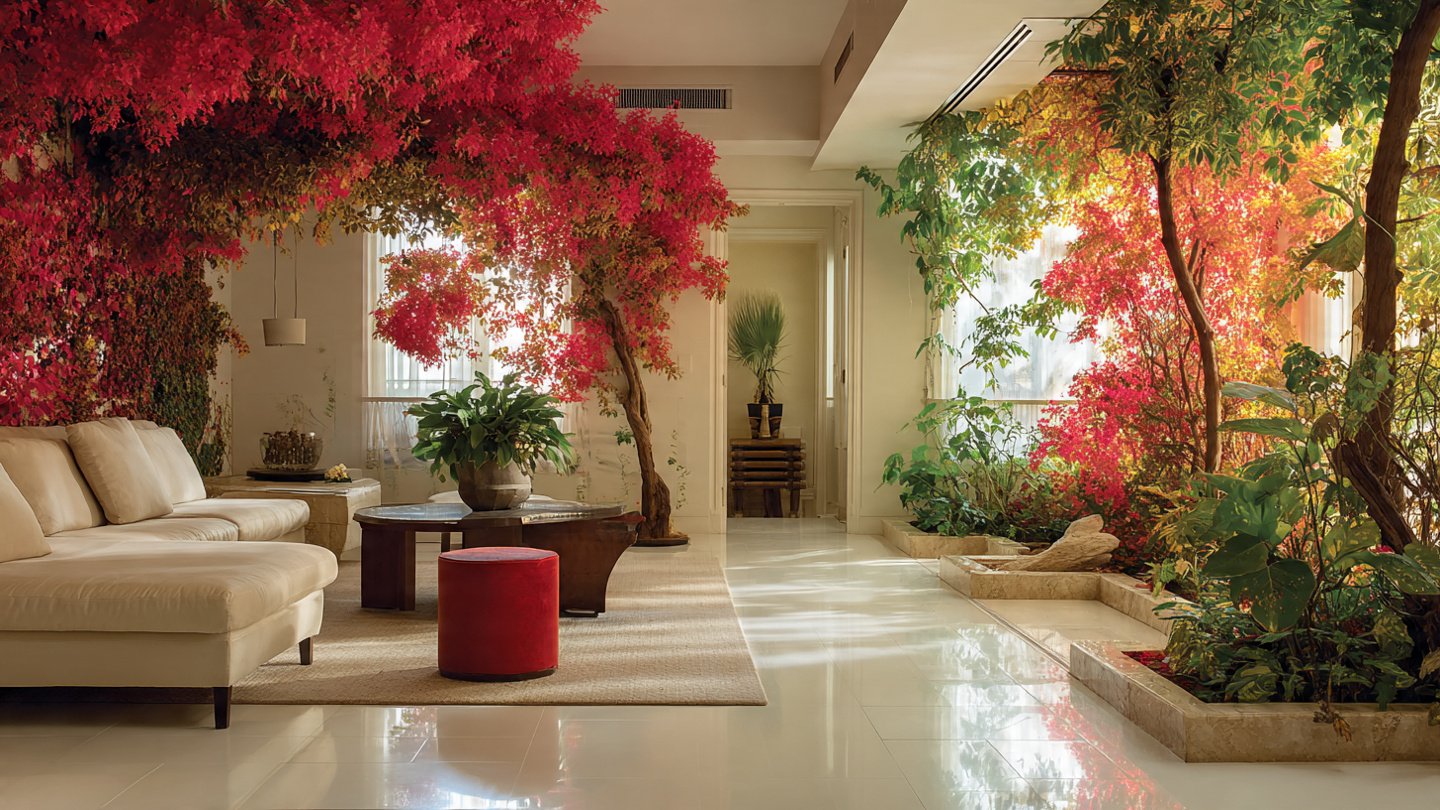
In the world of interior design, the interplay of color is an essential aspect that can either make or break a space. Neutral rooms have become a popular choice among homeowners and designers alike due to their versatility and ability to create a calming atmosphere. However, the challenge arises in ensuring that these spaces do not feel bland or devoid of life. One of the most effective ways to invigorate a neutral room is through the introduction of colorful foliage. This article delves into the various reasons why colorful plants can transform your neutral spaces and create a vibrant, inviting environment.
1. Enhancing Visual Interest
Colorful foliage adds layers of texture, depth, and visual interest that flat, neutral tones often lack. While neutral colors like beige, gray, and white create a serene backdrop, they can also render a room visually monotonous. Incorporating various plants with vibrant leaves—such as the rich greens of a monstera, the striking red of a caladium, or the dramatic purple of an oxalis—can effectively break up the monochrome palette and draw the eye, thus making the room more engaging.
When selecting plants, consider varying the shapes and sizes of foliage to create a dynamic display. The contrast between sleek, bold leaves and delicate, feathery ferns can pique interest and add a sense of movement throughout the space.
2. Bringing Life to the Space

Plants have an innate ability to breathe life into any environment. A neutral room can feel sterile or uninhabited, but the presence of colorful foliage instills warmth and vitality. Furthermore, the act of caring for plants can foster a sense of responsibility and connection to one’s living space, making the environment feel more personal and inviting.
Additionally, plants help to purify the air, which contributes to a healthier living space. This added benefit not only enhances physical well-being but also elevates the overall mood of the room, providing both aesthetic and health advantages.
3. Creating a Focal Point
One of the most effective strategies in interior design is the use of focal points to draw attention and anchor a room. Colorful plants can serve as striking focal points, capturing the eye and directing attention to specific areas. A large, vibrant potted plant can be the centerpiece of an otherwise understated room, while smaller colorful plants can adorn shelves, coffee tables, and window sills.
Utilizing greenery in this way not only enhances the visual dynamics of the space but also encourages exploration and interaction with the room. Guests are more likely to engage with spaces that feature intriguing plant life, sparking conversations and adding to the overall atmosphere.

4. Reflecting Personal Style
Colorful foliage provides an opportunity to express personal taste and style. Choosing plants not only reflects individual preferences but also allows homeowners to incorporate elements of their personality into their living spaces. Whether you lean towards bold tropical foliage or delicate flowering plants, there are endless varieties to choose from, making it easy to curate a collection that resonates with your unique aesthetic.
Furthermore, the colors of the foliage can be coordinated with existing decor, artwork, or furniture. For instance, if your neutral room features accents of blue, selecting plants with blue-tinted leaves or flowers can harmonize the space while bringing it to life. This kind of thoughtful pairing elevates the design and demonstrates a keen understanding of color theory.
5. Seasonal Adaptability
Foliage offers the versatility of seasonal adaptation. In a neutral room, colorful plants can quickly change the mood based on the time of year and shifts in natural light. For example, during spring and summer, your room can be filled with bright and lively foliage, while in fall and winter, you can opt for plants that emphasize cozy, warm colors.
Moreover, some plants may even change color with the seasons, further enhancing this adaptability. This dynamic can keep your space feeling fresh and promote a sense of connection to the seasonal cycles of nature, creating a harmonious living environment.

6. Affordability and Accessibility
Another significant advantage of using colorful foliage is its affordability and accessibility. With many houseplants available at a range of price points, it is easy for anyone to introduce colorful greens into their lives without breaking the bank. Garden centers often have a selection of diverse plants, and even local markets may feature a variety of potted specimens. Additionally, many colorful foliage plants are low-maintenance, making them ideal for busy lifestyles.
DIY enthusiasts can also propagate plants from cuttings, leading to the potential for an ever-expanding collection without significant financial investment. This accessibility allows for constant experimentation and growth in personal style, making the process of decorating both enjoyable and fulfilling.
Conclusion
Incorporating colorful foliage into a neutral room is a transformative design choice that can enhance visual interest, contribute to a healthier environment, and reflect personal style. Through vibrant plants, you can create focal points, bring warmth and life to sterile spaces, and keep your decor adaptable to changing seasons. With their affordability and accessibility, plants offer a myriad of benefits that go beyond aesthetics, making them an essential element in any design scheme. So, if you’ve been feeling the need to revitalize your neutral room, consider the enchanting impact of colorful foliage on your space and take the plunge into the world of plants.

FAQs
What types of colorful foliage plants are ideal for indoor spaces?
Some ideal varieties include pothos, caladium, croton, and anthurium. Each offers unique colors and textures that can enhance a neutral room.
How do I care for colorful foliage plants effectively?
Understand the specific light, water, and humidity needs of your chosen plants. Most colorful foliage plants prefer indirect sunlight and should be watered when the soil feels dry to the touch.
Can I use artificial foliage instead of real plants?

While real plants provide benefits like air purification, high-quality artificial foliage can also add color and texture to a room without the maintenance requirements of live plants.
How can I integrate colorful foliage into a small space?
Utilize wall-mounted planters, small potted plants on shelves, or hanging plants to maximize greenery without taking up valuable floor space.