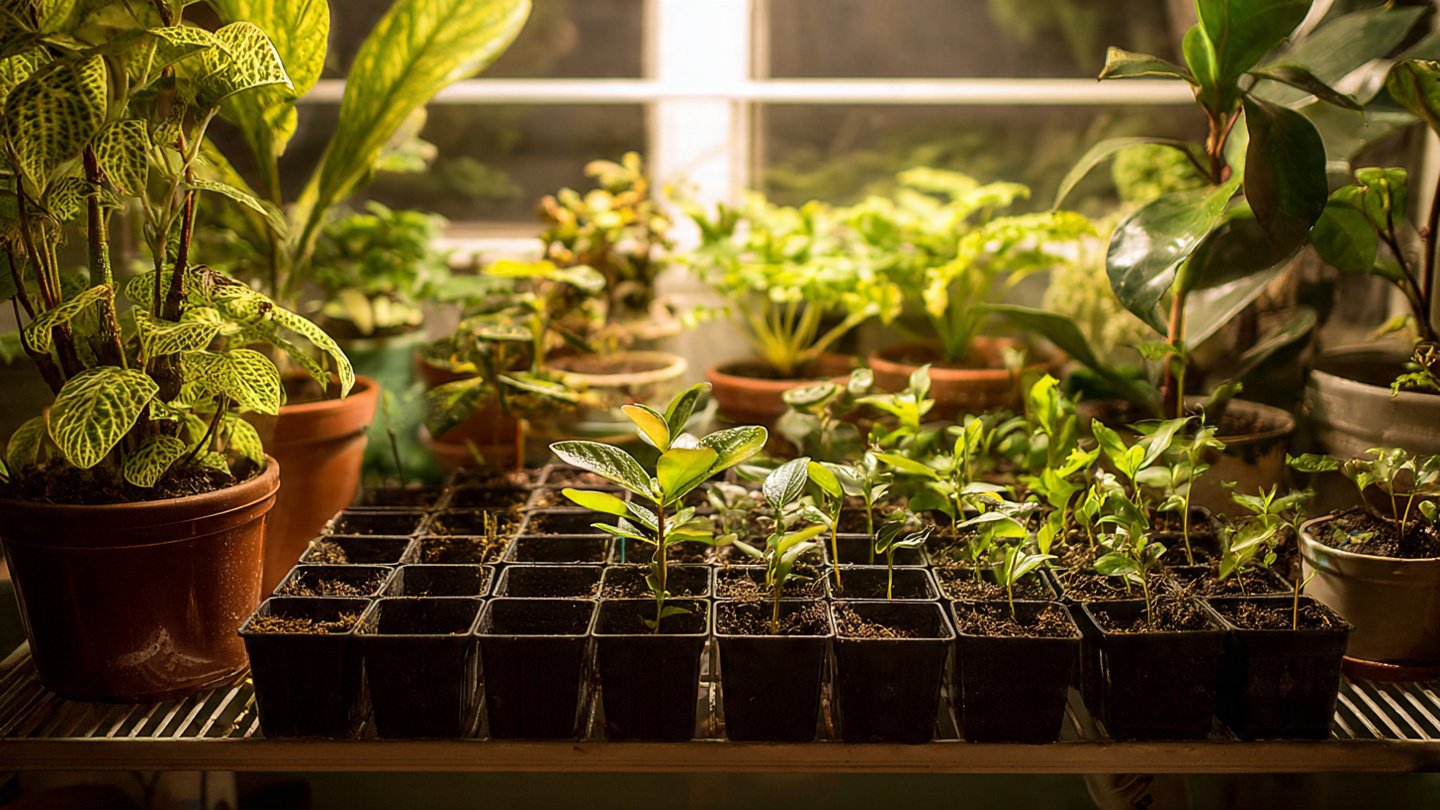
Plants are a vital part of our ecosystem, providing oxygen, improving air quality, and enhancing the aesthetic value of our homes and gardens. However, when looking to expand your collection or beautify your living spaces, it’s worth considering whether to buy new plants or propagate from existing ones. Propagation not only offers numerous practical benefits but also fosters a deeper connection with nature. In this article, we will explore the various reasons why you should consider avoiding the purchase of plants when propagation is possible.
Understanding Plant Propagation
Plant propagation is the process of creating new plants from existing ones. This can be achieved through several methods, including:
- Cuttings: Taking a portion of a plant and encouraging it to root.
- Division: Splitting a plant into multiple sections, each capable of growing into a new plant.
- Layering: Encouraging roots to develop on sections of stems still attached to the parent plant.
- Seed Sowing: Planting seeds collected from the parent plant.
Benefits of Propagation Over Buying
1. Cost-Effectiveness
One of the most significant advantages of propagation is the cost savings. Buying plants, especially rare or exotic varieties, can be expensive. By propagating your existing plants, you can grow new ones at little to no cost:

- Propagation often requires minimal supplies—just soil, pots, and some basic tools.
- Flowering and fruit-bearing plants can produce numerous seeds or cuttings, yielding many new plants for free.
2. Environmental Impact
The environmental benefits of propagation are immense. Each time you choose to propagate rather than buy, you’re minimizing your carbon footprint. Here’s how:
- Reduces demand for commercially grown plants, which often involve shipping, packaging, and artificial growth conditions.
- Encourages biodiversity, as you can help preserve rare or local plant varieties by propagating them instead of purchasing mass-produced options.
- Less waste is generated compared to buying plants in plastic pots and packaging.
3. Enhanced Knowledge and Skills
Propagation allows you to deepen your understanding of plant biology and improve your gardening skills:

- You learn more about plant growth cycles and requirements.
- Understanding how to propagate can make you more adept at caring for your plants.
- Each successful propagation boosts your confidence and encourages further experimentation.
4. Emotional and Psychological Benefits
Caring for and nurturing new plants can offer psychological benefits, including:
- Reducing stress through engaging in a fulfilling hobby.
- Providing a sense of achievement as you witness new growth and development.
- Fostering a deeper emotional connection to plants and nature.
Challenges of Commercial Plant Purchases
While it may be tempting to buy new plants, there are several disadvantages to consider about commercial purchasing:

1. Quality Control
When buying plants from stores or nurseries, quality can vary significantly:
- Plants may be unhealthy or stressed due to poor care in transit or at the shop.
- Some may come with pests or diseases that can affect your existing plants.
2. Limited Selection
Store inventory can be limited, often stocking only popular or mass-produced varieties, whereas propagation allows you to experiment with:
- Rare or heirloom varieties that may not be available commercially.
- Unique combinations or hybrids by cross-pollinating plants.
3. Supporting Unsustainable Practices
Many commercial nurseries rely on mass production methods that can be harmful to the environment:

- Overharvesting of wild plants can lead to ecological imbalances.
- Commercial growers may use fertilizers and pesticides that can harm local ecosystems.
Conclusion
While the allure of purchasing new plants can be strong, the benefits of propagation are numerous and far-reaching. From cost savings and environmental considerations to personal growth and enhanced knowledge, propagating your plants adds value beyond just aesthetics. By choosing to propagate instead of buy, you not only cultivate a more sustainable environment but also foster a deeper connection with nature.
Frequently Asked Questions (FAQs)
1. How do I start propagating my plants?
Begin with simple methods such as cuttings or division. Research the specific type of plant you want to propagate to understand its requirements.
2. What are the best plants for beginners to propagate?
Some easy plants to propagate include succulents, pothos, spider plants, and herbs like basil or mint. These often adapt well to propagation techniques.

3. How long does it take for a cutting to root?
Rooting times can vary based on the plant type and conditions. Generally, cuttings may take anywhere from a few weeks to several months to develop roots.
4. Can I propagate any plant?
Not all plants can be easily propagated. Some plants require specific techniques or may not propagate at all. Research is key to successful propagation.
5. What supplies do I need for propagation?
Basic supplies may include pots, potting soil, water, and containers for holding cuttings. Additionally, you may need rooting hormone for certain plants to boost root growth.