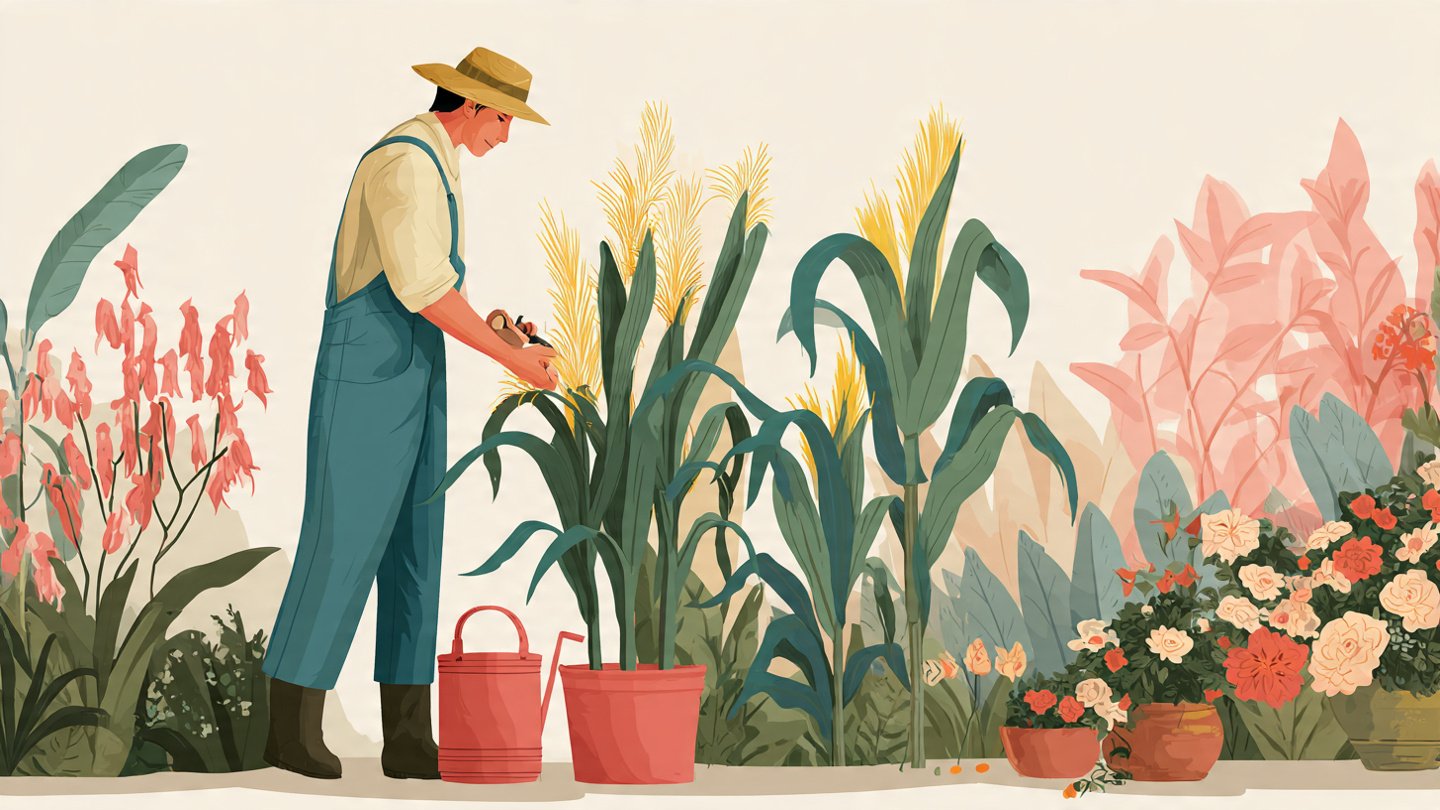
In the realm of gardening, a myriad of techniques is employed to maintain the lushness and vibrancy of gardens. One such technique that is often overlooked by amateur gardeners is the practice of deadheading. Understanding why professional gardeners prioritize deadheading can elevate the quality and appearance of any garden.
What is Deadheading?
Deadheading is the process of removing spent flowers from a plant. This simple act not only improves the visual appeal of the garden but also promotes the overall health of the plants. Deadheading can be performed on various types of flowers, including annuals, perennials, and even some shrubs.
Benefits of Deadheading
The reasons behind deadheading are numerous and impactful. Here are some key benefits:
1. Encourages New Blooms
When a flower fades, it begins to produce seeds as part of its natural life cycle. Once the plant focuses on seed production, energy that could be used for blooming is diverted away. By deadheading, gardeners can prevent this seed production, encouraging the plant to redirect its energy towards producing new flowers instead of seeds.

2. Improves Plant Aesthetics
Removing spent flowers enhances the visual appeal of a garden. Professional gardeners understand that a neatly maintained garden is more inviting and attractive to visitors. By regularly deadheading, they ensure that the garden remains vibrant and colorful throughout the blooming season.
3. Promotes Healthy Growth
Deadheading also prevents plants from becoming overly leggy. By cutting back faded blooms, gardeners can stimulate new growth, leading to bushier, healthier plants. This practice can particularly enhance the appearance of flowering annuals and perennials.
4. Reduces Disease Risk
Spent flowers can attract pests and diseases. By removing these fading blooms, gardeners minimize the chances of attracting unwanted guests. Less decaying organic matter in the garden also reduces the risk of fungal infections that could impact the overall health of the plants.
When to Deadhead

Timing is crucial when it comes to deadheading. Professional gardeners often consider the following factors:
- Flower Type: Different species have varying periods of flowering and preferences for deadheading. Knowledge of the specific plant type is essential.
- Season: Deadheading should occur regularly throughout the blooming season to maximize the benefits.
- Flower Condition: It’s best to deadhead once the flowers have begun to wilt or fade. Waiting too long can make the task less appealing and more difficult.
How to Deadhead
The methodology behind deadheading can vary slightly based on flower type, but generally involves:
- Tools: Use clean, sharp scissors or pruners to avoid damaging the plant.
- Locate Spent Blooms: Identify flowers that have wilted or faded, and focus on removing them.
- Make Clean Cuts: Cut just above a set of healthy leaves. This encourages new growth and minimizes damage to the plant.

Exceptions to Deadheading
While deadheading is beneficial for many plants, there are exceptions where it may not be necessary or advisable:
- Seed Production: If a gardener wants to propagate a plant or conserve seeds, they may choose not to deadhead.
- Specific Varieties: Certain plants, like some types of coneflowers, may self-seed effectively and could be left alone to flourish.
Conclusion
In summary, deadheading is an essential practice employed by professional gardeners to enhance floral displays, promote new growth, and maintain the overall health of plants. By routinely removing spent blooms, gardeners not only ensure a continuous bloom cycle but also cultivate a garden that is visually stunning and robust. Whether you are a novice or a seasoned gardener, incorporating deadheading into your gardening routine can significantly elevate your gardening results.

FAQs
1. How often should I deadhead my flowers?
It is recommended to deadhead regularly as flowers fade, which could mean once a week or every few weeks depending on the plants in your garden.
2. Can I deadhead too much?
Deadheading should be done thoughtfully; excessive cutting can stress the plant. Focus on removing only spent blooms and not healthy growth.
3. Should I deadhead perennials in the fall?
While many perennials benefit from deadheading to extend blooms, it’s also acceptable to leave seed heads for winter interest or for wildlife.

4. What tools do I need for deadheading?
A pair of sharp pruning shears or scissors is sufficient. Ensure they are clean to prevent disease transmission.
5. Are there specific flowers that don’t require deadheading?
Some flowers, like certain daisies and black-eyed Susans, may self-seed effectively, making deadheading less critical for their propagation.